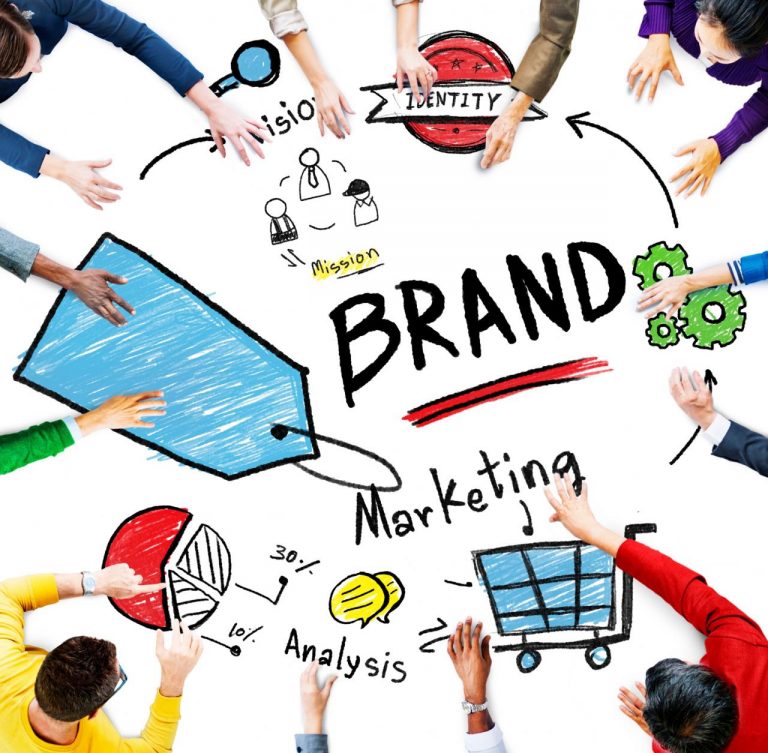
When it comes to creating a standout online presence, branding and website design packages are indispensable tools for businesses of all sizes. These packages not only enhance the visual appeal of a website but also play a crucial role in establishing a brand’s identity and engaging its audience.
By integrating key branding elements into website design, companies can enhance user experience, foster loyalty, and ultimately drive conversions. From logos and color schemes to typography and layout, every aspect of a branding package contributes to a cohesive and memorable online experience.
Importance of Branding in Website Design

Branding is an essential component that shapes the perception of a website. It encapsulates not just the visual design but also the values and personality of a business. A well-established brand can enhance the overall aesthetics and functionality of a website, making it more appealing to users. Strong branding creates a cohesive experience that resonates with visitors, ultimately driving engagement and conversions.Effective branding goes beyond mere logos and color schemes; it significantly contributes to user experience and engagement.
When users encounter a website that reflects a strong brand identity, they are more likely to feel a connection and trust towards the business. This trust translates into longer site visits and higher interaction rates. An engaging brand effectively communicates its message, ensuring that visitors clearly understand the company’s mission and offerings.
Key Elements of Branding Influencing Website Design
To create an impactful website that resonates with users, several key elements of branding must be integrated into the design. These elements not only enhance the visual appeal of the site but also improve functionality and user interaction.One of the core components is the color scheme. Colors evoke emotions and can significantly influence user perceptions and behaviors. For instance, blue can instill a sense of trust and security, making it a popular choice for financial institutions.
Another vital element is the typography used on the website. Font styles and sizes play a crucial role in readability and setting the tone of the brand. A modern, sans-serif font can convey a contemporary feel, while a serif font may evoke tradition and reliability. Imagery also holds substantial weight in branding. High-quality images that align with the brand’s ethos can make a website visually engaging and relatable.
For example, a travel company might use stunning landscape photography to inspire wanderlust among its users.Lastly, the brand voice in content reflects the personality of the business. This tone can vary from casual and friendly to formal and authoritative, depending on the target audience. Consistency in voice across all web content fortifies the brand’s identity, ensuring users receive a unified message.These key elements work together to create a cohesive and memorable user experience, emphasizing the importance of branding in website design.
Components of Branding Packages
Branding packages are essential for establishing a cohesive identity that resonates with your audience. These packages often encompass a variety of elements designed to create a unified representation of your brand. By understanding the components of these packages, businesses can better appreciate the value they bring to their website design and overall marketing strategy.A typical branding package incorporates several key elements that work together to enhance brand recognition and consistency.
These inclusions not only help to define a brand’s visual identity but also communicate its values and objectives effectively across platforms.
Common Inclusions in Branding Packages
Branding packages generally include a range of assets tailored to meet the specific needs of a business. The following are some common components:
- Logo Design: A unique logo is foundational to any brand’s identity. It serves as the visual cornerstone that represents the brand’s ethos.
- Color Palette: A carefully curated color scheme enhances brand recognition and sets the tone for marketing materials.
- Typography Guidelines: Consistent use of fonts across platforms ensures that the brand remains recognizable and professional.
- Brand Style Guide: This comprehensive document Artikels how to use the logo, colors, typography, and other brand elements, promoting uniformity.
- Business Card Design: This essential asset creates a first impression and reflects the brand’s identity in face-to-face interactions.
- Social Media Graphics: Customized visuals for social media platforms help maintain brand consistency across digital channels.
Examples of Branding Assets Offered in Packages
Branding packages can vary in complexity and depth, but they typically include several specific assets that align with the brand’s overall strategy. Some examples include:
- Stationery Suite: This includes letterheads, envelopes, and other office essentials featuring the brand logo and colors.
- Website Mockups: Initial design templates that showcase how the brand will appear online, integrating all visual elements effectively.
- Product Packaging Design: Unique designs for product packaging that align with the brand’s visual identity can significantly impact consumer choice.
- Email Marketing Templates: Branded email templates ensure consistency in messaging and aesthetics for newsletters and promotions.
- Infographic Design: Visual representations of information that can help convey complex ideas simply and effectively while reinforcing brand messaging.
Additional Services Complementing Branding and Web Design
Beyond the core components of branding packages, several additional services can enhance the effectiveness of branding and web design. These services can provide further value and cohesion to a brand’s presence:
- Search Engine Optimization (): Optimizing website content to improve visibility in search engines, ensuring that the brand reaches its target audience effectively.
- Content Creation: Engaging and relevant content that aligns with the brand’s voice can enhance user experience and brand loyalty.
- Marketing Strategy Development: Comprehensive strategies that define how branding efforts will translate into market presence and sales.
- Social Media Management: Ongoing management of social media channels to ensure consistent brand messaging and audience engagement.
- Photography and Videography: Custom visual content that captures the essence of the brand, enhancing storytelling across platforms.
Evaluating Website Design Packages
When considering website design packages, it’s crucial to evaluate their value thoroughly. The right package should not only match your aesthetic preferences but also align with the strategic goals of your business. By assessing different offerings, you can determine which package will provide the best return on your investment, both in terms of immediate visual appeal and long-term functionality.A systematic approach to evaluating website design packages involves several criteria.
Each package should be assessed based on its features, costs, and alignment with your business objectives. Here are some key factors to consider when making a decision:
Criteria for Assessing Value
Understanding the specific criteria that determine the value of a website design package is essential for making informed decisions. The following criteria can significantly influence your evaluation process:
- Design Quality: Assess the aesthetic and functional quality of previous projects. Look for a cohesive design that reflects current trends while maintaining uniqueness.
- Functionality: Ensure the package supports essential features like responsive design, user-friendly navigation, and integration with necessary tools such as e-commerce systems or content management platforms.
- Support and Maintenance: Evaluate the level of ongoing support offered. Consider how often updates are provided and what kind of customer service is available post-launch.
- Customization Options: Determine how much flexibility you have to customize the design and features according to your brand’s specific needs.
- Client Testimonials and Case Studies: Review feedback from previous clients to gauge satisfaction levels and success stories related to project outcomes.
Pricing Models Comparison
Different pricing models can significantly impact your budget and the overall value you derive from a website design package. Understanding these models allows you to choose the best fit for your financial resources while achieving your branding goals. The common pricing structures include:
- Flat Rate Packages: A fixed price for a predetermined set of services, simplifying budgeting and expectations.
- Hourly Rates: Charges based on actual time spent on the project, beneficial for bespoke solutions but may lead to unpredictability in total costs.
- Retainer Agreements: A monthly fee for ongoing services, perfect for businesses needing continuous support and updates.
- Performance-Based Pricing: Costs tied to specific outcomes, like increased traffic or conversions, aligning the interests of both parties.
Determining Package Effectiveness Based on Business Needs
Choosing a website design package is not just about the visual appeal; it should also cater to the functional requirements of your business. Evaluating how well a package meets your business needs involves a few strategic steps:
- Define Your Objectives: Clearly Artikel your business goals, whether they are increasing sales, enhancing user engagement, or building brand awareness.
- Align Features with Needs: Review package features against your defined objectives to ensure they support achieving your goals effectively.
- Evaluate Scalability: Consider future growth and whether the package allows for easy updates and scalability as your business evolves.
- Analyze Competitor Offerings: Evaluate what competitors are doing and ensure your chosen package can help differentiate your brand effectively.
Customization of Branding Packages
Branding packages are not one-size-fits-all; they need to reflect the unique identity and goals of a business. Customizing these packages allows brands to resonate deeply with their target audience, creating a stronger connection and enhancing overall effectiveness. Tailoring branding elements to specific industries can significantly impact how a brand is perceived in the marketplace.Customizing branding packages involves understanding the nuances of a particular industry and the specific needs of the business.
Different industries have unique characteristics, target demographics, and market expectations, which must be reflected in the branding strategy. A healthcare provider, for instance, requires a branding approach that conveys trust and professionalism, while a creative agency might favor bold and innovative designs to reflect its dynamic nature.
Methods for Tailoring Branding Packages to Specific Industries
Various methods can be employed to customize branding packages effectively. These methods ensure that the branding strategy aligns with industry standards while still allowing for individuality. The following points illustrate effective methods for tailoring branding packages:
- Conduct Industry Research: Understanding key trends, competitor branding, and consumer preferences is vital. For example, tech companies often opt for sleek, modern visuals, while artisanal brands might favor vintage aesthetics.
- Define Target Audience: Create detailed customer personas based on demographics, psychographics, and buying behaviors. A luxury brand targeting affluent consumers will have a different tone and style compared to a budget-friendly brand.
- Utilize Industry-Specific Language: Incorporate terminology and messaging that resonates with the industry. For instance, a financial service provider might emphasize security and reliability in its messaging.
- Design Visual Elements Accordingly: Choose colors, fonts, and imagery that reflect the industry vibe. A spa might use calming colors and soft fonts, while an automotive brand could use bold colors and strong fonts to convey power.
- Feedback from Industry Experts: Engage with professionals in the industry to gather insights about effective branding strategies and adjust accordingly.
Guide to Personalizing Branding Strategies
Personalizing branding strategies involves a structured approach that integrates the brand’s core values with the preferences of its target audience. This guide provides actionable steps businesses can take to personalize their branding strategies effectively.Start by identifying the brand’s core values and mission. This provides a foundation to build upon. Next, assess customer feedback to understand what resonates with the audience.
Implementing changes based on this data can improve brand perception. Incorporate unique storytelling that aligns with the brand’s heritage. This could be through the brand’s origin story, the inspiration behind the product, or customer testimonials. Visual consistency is crucial; ensure that all branding materials, from logos to social media posts, reflect the same style and message. Utilize digital platforms to engage with the audience directly.
Hosting Q&A sessions, polls, or interactive content can create a deeper connection and personalization in branding efforts.
Benefits of Customizing Website Design Elements
Customizing website design elements to match branding is a crucial step in solidifying a cohesive brand identity. The benefits of this alignment are manifold and contribute significantly to the user experience.Integrating branding elements into website design fosters brand recognition. When users encounter consistent visual and textual branding, they are more likely to remember the brand. This consistency extends to customer loyalty; a well-branded website instills trust and encourages repeat visits.Another benefit is improved user experience.
A customized website that reflects the brand’s identity can make navigation intuitive and enjoyable. For instance, using a brand’s signature colors and fonts can create an inviting atmosphere that keeps users engaged.Lastly, optimized branding on the website can enhance conversion rates. When potential customers find a familiar and pleasing environment, they are more likely to take desired actions, such as signing up for newsletters or completing purchases.
In summary, customizing branding packages and website design elements not only enhances a brand’s identity but also strengthens its position in the market, ultimately driving business success.
Trends in Branding and Website Design
In today’s fast-paced digital landscape, staying ahead of branding and website design trends is essential for businesses seeking to capture attention and foster engagement. As technology evolves, so do the strategies that businesses employ to connect with their audiences. Understanding these trends not only enhances user experience but also strengthens brand identity, making it imperative for companies to adapt accordingly.Current trends in branding significantly impact website design, creating a harmonious relationship between visual aesthetics and user functionality.
One of the most notable trends is the shift towards minimalism, where simplicity in design allows brands to convey their messages clearly and effectively. This trend prioritizes whitespace, clean lines, and straightforward navigation, which is critical in a world inundated with information. Additionally, the use of bold typography and vibrant colors has emerged, helping brands stand out in a crowded marketplace.
Influence of Technology on Branding and Design Practices
Technology plays a pivotal role in shaping branding and website design practices, with advancements creating new opportunities for businesses to engage their audiences. The rise of artificial intelligence (AI) and machine learning has enabled brands to create personalized experiences for users. By analyzing user behavior, companies can tailor content to suit individual preferences, enhancing engagement and loyalty.Another significant technological trend is the prevalence of mobile-responsive design.
With the increasing number of users accessing websites via smartphones and tablets, brands must ensure their sites are optimized for all devices. This involves not only responsive layouts but also fast loading times and mobile-friendly navigation, which are crucial for retaining visitors.
Importance of Staying Updated with Design Trends
Remaining current with design trends is vital for businesses aiming to maintain a competitive edge. As consumer preferences evolve, brands that adopt innovative design practices can differentiate themselves from competitors. Regularly updating website design to reflect contemporary aesthetics and functionality can lead to improved user satisfaction and higher conversion rates.To illustrate the significance of this, consider companies like Airbnb and Spotify, which continuously refresh their branding and website design to align with modern trends.
This adaptability not only keeps their offerings relevant but also enhances user experience, resulting in sustained growth and customer loyalty.In summary, embracing current trends in branding and website design is essential for businesses striving to connect with their audience effectively. By leveraging technology and staying informed, companies can create visually appealing and functional websites that resonate with users, ultimately driving success in a competitive marketplace.
Case Studies of Successful Branding Projects
In today’s digital landscape, merging branding with website design is crucial for businesses aiming to establish a strong online presence. This integration not only enhances visibility but also fosters customer loyalty. Successful companies have demonstrated how effective branding can transform their website into a powerful tool for engagement and conversion.One notable example is Airbnb, which has successfully combined branding with website design to create a seamless user experience.
Their website features high-quality visuals that convey the unique experiences offered, enhancing their brand identity of belonging and adventure. The strategic use of user-generated content, including photos and reviews, further reinforces trust and community, making the brand relatable and authentic.
Analysis of Different Industries
Various industries adopt distinct branding strategies that align with their target audience and market dynamics. Below are examples illustrating how branding approaches vary across sectors:
- Fashion Industry: Zara
Their minimalist website design aligns with their brand’s focus on simplicity and elegance, reinforcing their identity as a fast-fashion leader.
Zara’s website features large, high-resolution images of products, showcasing the latest trends while providing an easy navigation experience. This approach not only reflects their brand ethos but also encourages impulse purchases.
- Technology Sector: Apple
Apple’s website emphasizes sleek aesthetics and functionality, embodying their values of simplicity and innovation.
The clean layout and emphasis on product visuals create a compelling narrative around their cutting-edge technology, enhancing user engagement and reinforcing brand loyalty.
- Food & Beverage: Coca-Cola
Coca-Cola uses vibrant colors and nostalgic imagery, creating a strong emotional connection with consumers.
Their website is designed to evoke feelings of happiness and togetherness, consistent with their branding messaging. This strategy increases customer engagement and brand recall.
- Travel Industry: Expedia
Expedia’s website integrates user-generated content and personalized recommendations to enhance the travel planning experience.
By focusing on a user-friendly interface and interactive features, they effectively merge branding with functionality, driving customer satisfaction and loyalty.
These case studies highlight how varying branding strategies resonate within different industries. Each company effectively leverages its website to reflect its brand identity while catering to its audience’s preferences. By analyzing these successful projects, businesses can glean insights into effective branding practices that drive engagement and foster brand loyalty.
Challenges in Branding and Website Design
The journey of creating a cohesive brand identity and an effective website design is fraught with challenges. Businesses often face hurdles that can impede their branding strategies, leading to inconsistent messaging and ineffective user experiences. Understanding these challenges is essential for developers and marketers to create solutions that enhance brand visibility and user engagement.One common challenge businesses encounter is the misalignment between branding strategies and website design.
This can lead to a disjointed experience for users, ultimately affecting brand perception. Additionally, the fast-paced evolution of design trends creates pressure to consistently innovate while maintaining a recognizable brand identity. There’s also the challenge of managing stakeholder expectations, as various team members may have differing visions for the brand’s direction.
Common Challenges in Branding Strategies
Several specific challenges can arise when businesses implement their branding strategies:
- Inconsistent Messaging: Companies often struggle to maintain a unified brand voice across different platforms, leading to confusion among their audience.
- Lack of Research: Many businesses skip in-depth market research, resulting in a brand strategy that does not resonate with target audiences.
- Overlooking User Experience: Focusing solely on aesthetics can overshadow the importance of usability, leading to frustrating experiences for website visitors.
- Budget Constraints: Limited budgets can restrict the scope of branding projects, impacting quality and effectiveness.
- Resistance to Change: Internal resistance to new branding strategies can stall progress and lead to outdated practices.
To combat these challenges, businesses can adopt a few strategic approaches. Establishing a comprehensive brand guideline document helps ensure that all team members are on the same page, promoting consistency. Conducting regular user feedback sessions can illuminate areas for improvement and align the brand with audience expectations.
Solutions for Website Design Challenges
To address the challenges faced in website design stemming from branding inconsistencies, businesses can implement the following solutions:
- Integrate Branding with Design: Ensure that brand elements such as logos, colors, and typography are cohesively integrated into the website layout to reinforce brand identity.
- User-Centric Approach: Prioritizing user experience during the design process helps create a website that meets the needs and preferences of the target audience.
- Continuous Testing and Iteration: Regularly testing website features and gathering user feedback can identify pain points and areas for enhancement.
- Cross-Department Collaboration: Involving team members from different departments, including marketing, design, and sales, fosters a holistic approach to branding and design.
- Staying Updated on Trends: Keeping abreast of current design trends and technology allows businesses to innovate while maintaining brand coherence.
Potential Pitfalls in Branding Packages
While implementing branding packages, businesses often fall into several common pitfalls that can derail their efforts. Recognizing these pitfalls and knowing how to avoid them can lead to more successful branding outcomes.
- One-Size-Fits-All Solutions: Relying on generic branding packages without customization can result in a lack of differentiation in a competitive market.
- Narrow Focus on Design: Overemphasis on visual elements while neglecting the brand’s core values can lead to a superficial brand identity.
- Ignoring Analytics: Failing to analyze data related to branding efforts can hinder the ability to make informed adjustments and improvements.
- Short-Term Vision: Focusing solely on immediate results can compromise long-term brand development and recognition.
- Lack of Internal Alignment: When team members are not aligned on brand goals, it can create confusion and inconsistency in messaging.
To avoid these pitfalls, businesses should ensure their branding packages are tailored to their unique values and market position. Utilizing analytics to gauge the effectiveness of branding efforts can inform strategic adjustments, allowing for a more responsive approach to brand management.
Future of Branding and Website Design
As we look ahead, the landscape of branding and website design is continually evolving, influenced by technological advances and changing consumer expectations. Brands must adapt to stay relevant and connect meaningfully with their audiences, ensuring an engaging and immersive experience. This section discusses the anticipated trends in branding and website design, explores emerging technologies that will shape branding strategies, and examines the shifting expectations of consumers regarding brand identity and online presence.
Predicted Trends in Branding and Website Design
Several trends are expected to shape the future of branding and website design. These trends reflect a shift towards more interactive, personalized, and sustainable approaches.
- Minimalist Design: The trend towards simplicity remains strong as brands aim to create clean, straightforward website interfaces that prioritize user experience. This approach helps in maintaining focus on essential elements.
- Personalization: Brands are increasingly utilizing data analytics to tailor content and experiences to individual user preferences, fostering stronger connections and loyalty.
- Sustainability: Brands are incorporating eco-friendly practices in their messaging and design, appealing to consumers who prioritize sustainability. Expect to see more green branding initiatives in website design.
- Dark Mode: As the popularity of dark mode increases, brands are adopting this design trend to enhance user experience while reducing eye strain and conserving battery life on devices.
- Voice User Interface (VUI): With the rise of smart speakers and voice search, brands are optimizing their websites for voice queries, changing how information is presented and accessed online.
Emerging Technologies Shaping Branding Strategies
Emerging technologies are revolutionizing how brands communicate and engage with consumers. These innovations provide new tools and platforms for branding strategies.
- Artificial Intelligence: AI is being utilized to analyze consumer behavior and preferences, enabling brands to create more relevant content and personalized marketing strategies.
- Augmented Reality (AR): AR is enhancing the online shopping experience, allowing consumers to visualize products in their environment before making a purchase, thus influencing brand perception and trust.
- Blockchain Technology: Blockchain is fostering transparency in branding, allowing consumers to verify product authenticity and ethical sourcing, which can enhance brand loyalty.
- Chatbots: These AI-powered tools are facilitating real-time customer service and engagement, providing brands with an innovative way to interact with consumers on their websites.
Evolving Consumer Expectations
Consumer expectations are continually evolving, significantly impacting how brands approach their identity and web presence.
- Authenticity: Today’s consumers seek brands that resonate with their values and are transparent in their practices. A genuine brand story is essential for establishing trust.
- Omni-channel Experience: Consumers expect a seamless experience across all platforms, whether interacting with a brand via social media, mobile app, or website, emphasizing the need for consistency.
- Speed and Accessibility: With increased online engagement, users demand fast-loading, accessible websites that cater to diverse needs, including those with disabilities.
- Community Engagement: Brands are increasingly expected to engage with communities and foster relationships through interactive content, social responsibility initiatives, and responsive communication.
End of Discussion
In summary, investing in comprehensive branding and website design packages can significantly impact a business’s success in the digital landscape. As trends evolve and technology advances, staying attuned to the latest developments in branding is essential for maintaining a competitive edge and resonating with consumers.
FAQ Section
What is included in a branding package?
A branding package typically includes logo design, color palettes, typography, and other visual elements that contribute to your brand identity.
How do I choose the right website design package for my business?
Consider your specific needs, budget, and the level of customization offered when evaluating different packages.
Can I customize my branding package?
Yes, many providers offer customization options to tailor branding packages to fit your industry and business goals.
What are the benefits of having a strong brand on my website?
A strong brand enhances recognition, builds trust with customers, and improves overall user engagement on your website.
How often should I update my branding and website design?
It’s advisable to review and possibly refresh your branding and website design every few years or whenever significant changes occur in your business strategy.