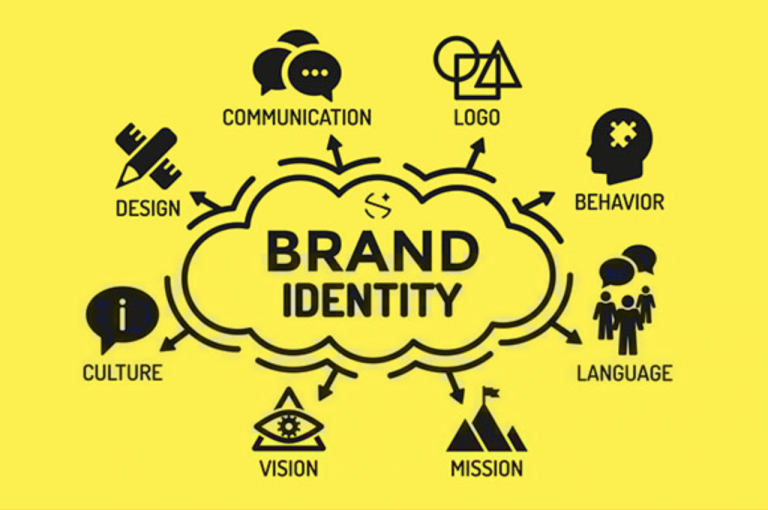
Branding iron laverne ok shines a spotlight on a unique tool that has woven itself into the fabric of various industries, offering individuals and businesses a means to leave their mark. Whether you’re a local artisan or a larger enterprise, branding irons serve as a powerful symbol of identity and craftsmanship. Across cultures and generations, these tools have evolved, adapting to the needs of their users while preserving historical significance.
From the materials used to create these branding tools to the various types available on the market, understanding branding irons is essential for anyone looking to enhance their brand identity. In Laverne, OK, local businesses have embraced these tools to carve out their niche, showcasing their work at community events and markets, thus uniting tradition with modern branding techniques.
Introduction to Branding Irons
Branding irons are tools used to create a permanent mark on various materials, primarily to identify ownership or origin. Their application spans different industries, including agriculture, manufacturing, and the culinary world. The distinct design of each branding iron often reflects the identity of the owner or the brand it represents, serving both functional and aesthetic purposes.Historically, branding irons have played a crucial role in trade and ownership.
Their roots can be traced back to ancient civilizations where livestock were branded to signify ownership, preventing theft and ensuring proper management of animals. Over time, the use of branding has expanded beyond livestock to include wood, leather, and even food products. This evolution illustrates the adaptability of branding techniques to meet the needs of different cultures and industries.
Historical Significance and Evolution
The practice of branding dates back thousands of years, with evidence of its use in ancient Egypt and Greece. The transition from simple symbols to more intricate designs demonstrates the evolution of branding techniques. Cultures across the globe embraced branding uniquely, adopting various methods to signify ownership or cultural identity.
- In ancient China, artisans would brand their pottery with unique symbols, allowing consumers to identify the maker and the quality of the goods.
- Native American tribes often used branding on their horses, signifying ownership and tribal affiliation, which was crucial for mobility and trade.
- The European Middle Ages saw the emergence of heraldic symbols, where families would brand their livestock and goods with coats of arms, showcasing lineage and status.
The practical use of branding irons has expanded into contemporary applications, where they are used in artisanal products, culinary arts, and custom branding for businesses. This not only preserves the historical significance but also adapts to modern consumer culture, where authenticity and connection to craftsmanship are highly valued.
“A brand is not just a logo; it’s a promise about the quality and identity of the product.”
Features of Branding Irons
Branding irons play a crucial role in the identification and promotion of businesses by marking products with unique logos or designs. Understanding the key features of these tools is essential for anyone looking to invest in branding irons for their enterprise.Branding irons are primarily made from materials that ensure durability and effective heat conduction. The choice of material not only influences the quality of the branding but also affects the longevity of the tool.
Various types of branding irons are available on the market, each designed to cater to different branding needs. Additionally, custom designs are vital for businesses as they help in establishing brand identity and recognition.
Materials Used in Manufacturing Branding Irons
The materials used in the production of branding irons significantly impact their performance and lifespan. Common materials include:
- Steel: The most popular material due to its durability and heat retention properties. Steel branding irons can withstand high temperatures, making them ideal for repeated use.
- Brass: Known for its excellent thermal conductivity, brass is often used for smaller, more intricate branding designs. It can produce detailed logos and patterns effectively.
- Aluminum: Lightweight and resistant to corrosion, aluminum branding irons are suitable for less demanding applications but may not hold heat as long as steel or brass.
- Copper: Occasionally used for artistic branding irons, copper allows for unique designs but is less durable than steel options.
Types of Branding Irons Available
Branding irons come in various types, each tailored for specific uses and environments. Understanding these types can aid in selecting the right branding iron for various business needs:
- Electric Branding Irons: These are powered by electricity and heat up quickly, allowing for fast and efficient branding. They are ideal for businesses that perform high volumes of branding.
- Manual Branding Irons: Typically heated over an external flame or heat source, these irons require more time to heat up but are often preferred for their portability and lower cost.
- Custom Branding Irons: Customizable to include specific logos or designs, these irons can be tailored to meet the unique branding needs of any business.
- Hot Stamping Tools: Used in conjunction with foils, these tools apply logos with heat and pressure, resulting in a professional finish on various materials.
Importance of Custom Branding Iron Designs
Custom branding iron designs are crucial for reinforcing brand identity. They allow businesses to create a lasting impression with unique logos and symbols. The benefits of custom branding irons include:
- Brand Recognition: A distinct logo helps customers easily identify a brand, which is essential for building customer loyalty.
- Personalization: Custom branding irons can be tailored to reflect a company’s mission, values, and aesthetic, enhancing the overall customer experience.
- Marketing Tool: Branding products with a unique logo serves as a marketing tool, promoting the business every time a product is used or displayed.
- Quality Perception: A well-branded product often conveys quality and professionalism, influencing customer purchasing decisions.
Branding Irons in Laverne, OK
In the small yet vibrant community of Laverne, Oklahoma, branding irons play a pivotal role in the local craftsmanship and business identity. These tools are not just essential equipment for artisans; they also serve as a symbol of pride and tradition. With a rich agricultural heritage, branding irons have become synonymous with quality and authenticity in Laverne’s local markets.The significance of branding irons extends beyond their practical use in marking livestock or products.
For local artisans and craftsmen, these tools are crucial for establishing a unique identity and brand recognition. In a community where handmade goods are celebrated, the ability to personalize products with branding irons enhances their value and appeal. Consumers in Laverne appreciate the story behind each handcrafted item, and branding adds a layer of authenticity that resonates with buyers.
Local Businesses Utilizing Branding Irons
Various businesses in Laverne benefit from the use of branding irons, showcasing their commitment to quality craftsmanship. Some notable examples include:
- Laverne Custom Woodworks: A woodworking shop that specializes in custom furniture and home décor, using branding irons to stamp their logo on each piece for a touch of personalization.
- Rustic Leather Goods: This local artisan creates bespoke leather products ranging from wallets to belts, utilizing branding irons to imprint their designs, ensuring each item is uniquely marked.
- Red Dirt Farms: A local farm that produces organic goods and uses branding irons to mark their products, reinforcing their commitment to quality and local farming practices.
The use of branding irons in these businesses not only strengthens their brand identity but also enhances customer loyalty. Consumers tend to gravitate towards brands that embody authenticity and craftsmanship, which is precisely what branding irons represent in the local marketplace.
Community Events Showcasing Branding Irons
Laverne hosts several community events and markets where the artistry of branding irons is highlighted. These gatherings offer a platform for local artisans to display their skills, share their stories, and connect with the community.The annual Laverne Arts and Crafts Festival is a notable event that features a range of handmade goods, including those marked with branding irons. Artisans come together to showcase their work, allowing attendees to appreciate the craftsmanship that goes into each piece.
During the festival, demonstrations of branding techniques take place, giving visitors insight into the process and significance of branding in the artisan community.Another significant event is the Laverne Farmers’ Market, where local producers, including those using branding irons, sell their goods. This market not only supports local agriculture but also serves as a venue for artisans to demonstrate their branding techniques, reinforcing the community’s commitment to supporting local businesses and craftsmanship.In summary, branding irons are integral to the identity of local artisans and businesses in Laverne, OK.
They encapsulate the community’s spirit of craftsmanship and authenticity, resonating with both residents and visitors alike.
Usage and Techniques
Branding irons are powerful tools that not only impart a unique mark but also tell a story about the items they touch. Proper usage of branding irons involves a blend of artistry, technique, and safety. Whether you’re personalizing wooden furniture, leather goods, or even food, understanding the nuances of handling a branding iron is crucial for achieving excellent results.Effective branding requires a solid grasp of proper techniques.
The heat of the branding iron needs to be managed delicately to create a clean and bold imprint without damaging the material. Here are essential techniques to keep in mind:
Proper Techniques for Using a Branding Iron
Achieving a successful brand mark involves several critical steps. Understanding these techniques ensures the mark is not just a stamp, but a lasting impression.
1. Select the Right Temperature
The temperature of the branding iron is pivotal. Too hot can scorch the material, while too cool won’t leave a clean mark. A range of 400°F to 600°F is often ideal for most materials.
2. Prepare the Surface
Ensure the material is clean and dry. For wood, sanding surfaces smooth can help achieve a clearer imprint. Leather should be slightly dampened for better absorption of the brand.
3. Secure the Item
Stability is key when branding. Use clamps or a non-slip surface to avoid movement during the branding process.
4. Apply Even Pressure
When the branding iron contacts the material, apply consistent pressure. Uneven pressure may lead to distorted marks.
5. Timing is Crucial
Hold the branding iron in place for a predetermined time, usually between 5 to 10 seconds, depending on the material. Timing can vary; practice is essential to determine the optimal duration.
6. Inspect the Brand
After branding, check the imprint. If it’s not satisfactory, adjustments in temperature or pressure might be necessary for future attempts.
Safety Precautions When Handling Branding Irons
Handling a branding iron demands respect and awareness of safety measures. This ensures not just quality results but also personal safety during the process.
Wear Protective Gear
Use heat-resistant gloves and safety goggles to protect your hands and eyes from burns and sparks.
Work in a Well-Ventilated Area
Inhaling smoke from burning materials can be harmful; ensure proper ventilation.
Keep a Fire Extinguisher Nearby
In case of emergencies, having a fire extinguisher readily accessible is wise.
Avoid Skin Contact
Never touch the branding iron’s tip with bare skin, as it can cause severe burns.
Step-by-Step Procedure for Creating Custom Designs
Crafting custom designs with branding irons can be a rewarding endeavor, allowing for personalized and artistic expressions. Follow this methodical approach to bring your designs to life:
1. Design Selection
Choose a design or create a stencil. Simple designs are often easier to execute.
2. Material Preparation
Choose your material and prepare it by cleaning and, if necessary, smoothing the surface.
3. Heat the Branding Iron
Plug in and allow the branding iron to reach the desired temperature. Use a thermometer to check if it fits within optimal branding parameters.
4. Test on Scrap Material
If possible, practice on a scrap piece similar to your final product. This helps gauge temperature and timing.
5. Align the Branding Iron
Position the branding iron on the material where you want the imprint, ensuring it’s level for consistency.
6. Apply Pressure and Heat
Firmly press the branding iron onto the material for the calculated time. Maintain the same pressure throughout.
7. Remove and Inspect
After the time has elapsed, carefully lift the branding iron. Check the imprint for clarity and depth.
8. Clean the Iron
Once done, clean the branding iron while it’s still warm to remove any residue.By mastering these techniques and adhering to safety precautions, branding irons can be used effectively to create beautiful, custom designs that stand out and make a statement.
The Impact of Branding on Local Businesses
Branding is more than just a logo; it embodies the essence of a business and plays a crucial role in shaping its identity. For local businesses in Laverne, OK, branding irons serve as a powerful tool to create a visual signature that resonates with customers. This unique identifier not only enhances recognition but also fosters loyalty among clients who value authenticity and craftsmanship.Branding irons contribute to a business’s identity by providing a distinct mark that is easily recognizable.
This form of branding helps businesses differentiate themselves from competitors, while ensuring that customers remember them. Small businesses, unlike their larger counterparts, rely heavily on these unique branding strategies to create a personal connection with their audience. While larger corporations often utilize broad marketing campaigns and extensive branding strategies, small businesses find success through localized branding, enabling them to appeal directly to their community.
Branding Strategies of Small Businesses
Small businesses in Laverne leverage branding irons to create a cohesive and memorable brand identity. The personalization that comes from using branding irons allows these businesses to connect authentically with their customers. The following points highlight how these strategies manifest in local enterprises:
- Visual Identity: Branding irons produce a consistent visual identity, making products instantly recognizable. For instance, a local bakery using a branding iron on its pastries creates a unique appeal that sets it apart.
- Community Connection: Small businesses often engage in community events, showcasing their branding. For example, a local ranch may brand its livestock, not only signifying ownership but also creating a strong sense of local heritage.
- Quality Perception: The use of branding irons implies a commitment to quality. Customers perceive products with a brand mark as more authentic and care-driven, which can lead to repeat business.
“A well-crafted brand speaks volumes about the quality and values a business stands for.”
Success Stories of Local Businesses in Laverne
Laverne is home to several businesses that have successfully utilized branding to establish their identities and thrive in the local market. Notable examples include:
- A family-owned farm that uses branding irons to mark their cattle, creating a strong visual identity that customers trust, leading to increased sales at local markets.
- A handcrafted furniture business that brands its products to highlight artistry and craftsmanship, attracting customers who appreciate personalized home decor.
- A local artisan who uses branding irons on their handmade goods, enhancing their market appeal and establishing a loyal customer base that values unique, locally-made products.
These examples illustrate that effective branding strategies, particularly through the use of branding irons, can significantly impact local businesses by enhancing recognition, building community ties, and fostering customer loyalty.
Trends in Branding Iron Designs
Branding irons have evolved significantly, blending traditional craftsmanship with modern aesthetics and functionality. As businesses look to make a unique mark, the design of branding irons reflects contemporary styles and consumer preferences. This adaptation showcases not only branding’s importance in marketing but also its role in building a memorable identity for businesses, especially in competitive markets.Among the current trends in branding iron designs, minimalism and personalization stand out.
Many brands now opt for sleek, simple designs that convey their message without overwhelming consumers. This approach allows the branding to be more versatile and applicable across various mediums. Additionally, customization has become a crucial trend, with businesses seeking unique designs that speak to their brand values and resonate with their target audience.
Current Innovative Trends in Branding Iron Designs
Several innovative approaches have emerged in branding iron designs, catering to modern business needs. The following points highlight these trends:
- Customized Branding Irons: Many businesses are opting for custom designs that include logos, unique shapes, or specific fonts that reflect their brand identity. This trend allows for a stronger connection between the product and the brand.
- Multi-Functional Tools: Some modern branding irons are being designed to serve multiple purposes, such as being used for both branding and decorative purposes on various materials, including leather and wood.
- Eco-Friendly Materials: With growing environmental consciousness, brands are increasingly using sustainable materials for their branding irons, appealing to eco-aware consumers while maintaining quality and durability.
- Digital Branding Iron Technology: Advances in technology have introduced digital branding irons that can create intricate designs and patterns through programmable settings, facilitating more complex and creative branding options.
- Collaboration with Artists: Some businesses are commissioning artists to develop unique branding iron designs, merging art with branding to enhance the aesthetic appeal and storytelling aspects of their products.
The integration of these innovative ideas into branding iron usage allows businesses to stand out and create a lasting impression in their respective markets. As branding evolves, so too will the designs and functionalities of these essential tools.
Branding Iron Concepts Reflecting Evolving Branding Landscapes
Creating a branding iron concept that aligns with today’s dynamic branding landscape involves considering the aesthetics and the functional aspects that resonate with consumers. Here are some concepts that reflect this evolution:
- Interactive Branding: Designs that incorporate QR codes or augmented reality features that can engage customers digitally, bridging the gap between physical products and online experiences.
- Artisan Craftsmanship: Branding irons that highlight artisanal designs, celebrating the handmade aspect of products, appealing to consumers who value craftsmanship and authenticity.
- Adaptive Shapes and Sizes: Branding irons that can be adjusted in size and shape, allowing businesses to customize their branding according to different product lines or seasonal offerings.
- Color Variants: Introducing pigment-infused branding irons that create colorful impressions, moving beyond traditional branding to visually vibrant representations.
- Wearable Branding: Miniature branding irons designed for personal items, allowing individuals to brand their belongings, merging personal identity with brand representation.
These concepts not only showcase creativity but also ensure that branding remains relevant in a rapidly changing market. As brands continue to innovate, the designs of branding irons will play a crucial role in shaping their identity and connection with consumers.
DIY Branding Iron Projects
Creating your own branding iron can be an exciting and fulfilling project that adds a personal touch to your crafts or business. Whether you’re looking to brand leather, wood, or other materials, a DIY branding iron can be a cost-effective solution that allows for customization. This guide will walk you through the steps to create a simple branding iron at home, detailing the necessary tools, materials, and safety tips to ensure a successful and safe crafting experience.For a DIY branding iron, you will need specific tools and materials to create a durable and effective branding tool.
Below is a list of what you will need to get started on your project:
Tools and Materials Required for DIY Branding Iron Projects
To ensure your DIY branding iron project goes smoothly, gather the following items before starting:
- Metal Rod: A steel rod (around 3/8 inches in diameter) is ideal, as it can withstand high temperatures.
- Handle: A wooden or heat-resistant handle that can be securely attached to the metal rod for safe handling.
- Cutting Tools: A hack saw or metal cutting tool to shape and design the branding head.
- Welding Equipment: A torch or welding kit if you plan to fuse any pieces together.
- Sandpaper: For smoothing out the branding head edges after cutting.
- Safety Gear: Goggles, gloves, and a mask to protect yourself during cutting and welding.
Having these tools and materials on hand will set you up for a successful branding iron project. Creating your branding iron involves several key steps that ensure the final product is both effective and safe to use. Each step is crucial in achieving a professional look and function.
Steps to Create a Simple Branding Iron
1. Design Your Branding Iron Head
Start by sketching your design on paper, keeping it simple. Consider letters, symbols, or logos that reflect your brand or personal style.
2. Shape the Metal Rod
Using a hack saw, cut the metal rod to your desired length for the branding head. The head should be approximately 1-2 inches wide, depending on your design.
3. Create the Branding Head
Cut a piece from the rod for the branding head. Use your cutting tools to shape this piece according to your design. It could be a flat section or have raised letters/symbols.
4. Smooth the Edges
Once the head is cut, use sandpaper to smooth any sharp edges. This step is vital to ensure that your branding iron does not cause accidental cuts when handling.
5. Attach the Handle
If you have a separate handle, securely attach it to the rod using welding equipment or screws, ensuring it is stable and comfortable to hold.
6. Test Your Branding Iron
Heat your branding iron in a flame until it’s hot enough to leave a mark. Test it on a scrap piece of material to check the effectiveness of your design and adjust as necessary.
7. Safety Practices
Always wear appropriate safety gear when using cutting and welding tools. Work in a well-ventilated area, and ensure that your materials are fire-resistant to avoid accidents.
Creating a DIY branding iron not only saves money but also allows for a high level of personalization to your projects.
With these steps and precautions, anyone can successfully create a branding iron tailored to their personal or business needs. Enjoy the process of crafting your unique branding solution!
Conclusion and Future of Branding Irons
The evolution of branding irons has been a fascinating journey, reflecting the intersection of tradition and technology. As we look toward the future, advancements in branding iron technology promise to enhance their functionality and adaptability, potentially revolutionizing their use across various industries. Innovative developments in branding iron technology are expected to cater to the growing demand for customization and efficiency in branding practices.
With the rise of smart technology, it’s plausible that future branding irons will incorporate features like temperature control and programmable settings, allowing users to achieve precise branding results. Additionally, advancements in materials technology may lead to lighter, more durable designs, enhancing usability without compromising on effectiveness.
Adaptation to Market Needs
The branding iron industry is likely to adapt to new market needs by incorporating sustainable practices and materials. As consumers become increasingly environmentally conscious, manufacturers might explore the use of eco-friendly materials for branding irons, such as recycled metals or sustainably sourced wood. Furthermore, the demand for personalized products is on the rise, and branding irons could evolve to meet this demand.
Customizable branding irons, which allow businesses to quickly change designs or logos, could become commonplace. Industries such as food service and artisanal crafts will likely benefit from these advancements, as branding becomes a key differentiator in a crowded marketplace.
Preserving Traditional Craftsmanship
Despite technological advancements, branding irons will continue to play a vital role in preserving traditional craftsmanship. The tactile nature of branding, coupled with the artistry involved in creating unique designs, ensures that traditional methods remain relevant. Artisans and craftspeople are likely to embrace both modern tools and traditional techniques, blending the old with the new to create distinctive branded products.
In this context, workshops and community classes focusing on branding techniques are expected to increase, allowing artisans to share their skills while fostering a new generation of craftsmen. The unique character that comes from hand-branded items will continue to appeal to consumers seeking authenticity in their purchases, thereby sustaining the relevance of branding irons in the craft landscape.
Final Thoughts
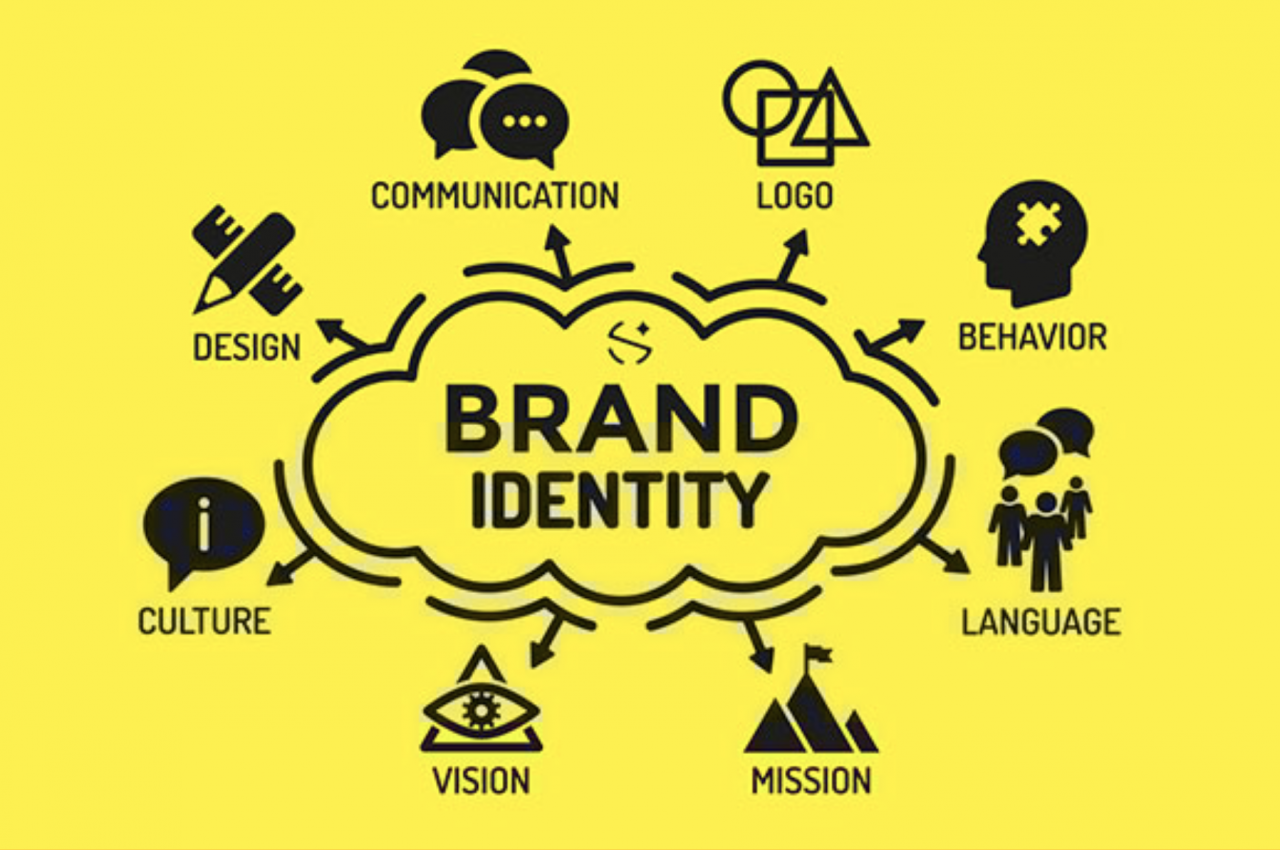
In conclusion, branding irons not only represent a practical tool for marking but also embody a rich tapestry of local culture and craftsmanship. As we look to the future, the evolution of branding iron technology promises to keep pace with the demands of an ever-changing marketplace. For businesses in Laverne, OK, these irons will continue to play a pivotal role in fostering identity, recognition, and the artisan spirit that defines the community.
Commonly Asked Questions
What materials are used to make branding irons?
Branding irons are typically made from metal such as steel or brass, which can withstand high temperatures for effective branding.
Can I customize my branding iron design?
Yes, many manufacturers offer customization options, allowing you to create a branding iron that reflects your unique logo or design.
Are there safety precautions for using branding irons?
Absolutely! Always handle branding irons with care, use protective gloves, and ensure proper ventilation when using them to prevent accidents.
Where can I find branding irons in Laverne, OK?
Local craft stores or artisan markets in Laverne often have branding irons available for purchase or can connect you with suppliers.
What are the benefits of using branding irons for businesses?
Branding irons help establish brand identity, create a professional appearance, and can enhance customer recognition and loyalty.