Bitcoin, the pioneering cryptocurrency, and iBit, a newer entrant, both experience fluctuating prices influenced by various factors. This analysis delves into the historical price performance of both, comparing their volatility and potential for future gains. We’ll explore technical indicators, market trends, and the roles of institutional investors to gain a comprehensive understanding of their respective dynamics.
Understanding the fundamentals of cryptocurrency is essential for assessing the price behavior of both Bitcoin and iBit. This includes exploring different types of cryptocurrencies, the security considerations involved in transactions, and the role of blockchain technology in underpinning these digital assets.
Introduction to Bitcoin and iBit
Bitcoin, a decentralized digital currency, operates independently of central banks and financial institutions. It facilitates peer-to-peer transactions without intermediaries, aiming for greater financial freedom and transparency. Its secure, cryptographic nature underpins its value proposition. iBit, another cryptocurrency, has a unique purpose and structure.iBit, like Bitcoin, is a digital currency aiming to provide a secure and decentralized method of exchange.
However, its particular implementation and underlying technology differentiate it from Bitcoin. Understanding their historical context and key differences is crucial for evaluating their respective roles in the cryptocurrency landscape.
Historical Context of Bitcoin and iBit
Bitcoin emerged in 2009, spurred by a desire for alternative financial systems. The global financial crisis and distrust of traditional banking systems provided a fertile ground for the development and adoption of cryptocurrencies. iBit, likely later, also arose from the growing interest in digital currencies, potentially building on the lessons learned from the emergence of Bitcoin.
Key Differences Between Bitcoin and iBit
Bitcoin and iBit, while both digital currencies, diverge significantly in their functionalities, implementations, and underlying technologies. Fundamental differences include the design philosophy, the algorithms used for transaction validation, and the intended use cases. These distinctions are critical to comprehending their unique characteristics and applications.
Comparison Table: Bitcoin vs. iBit
| Feature |
Bitcoin |
iBit |
| Purpose |
Decentralized digital currency for peer-to-peer transactions. |
Likely a similar purpose to Bitcoin, though potentially with a unique focus (e.g., specific use cases, or a different technological approach). |
| Market Capitalization |
Historically, one of the largest cryptocurrencies by market cap, but this fluctuates. |
Significantly smaller than Bitcoin’s market cap, in most cases. |
| Transaction Speed |
Generally slower than other payment methods, though this can vary depending on network congestion. |
Likely comparable or potentially faster or slower depending on specific implementation. |
| Transaction Fees |
Variable, influenced by network congestion. |
Variable, influenced by network congestion and specific iBit design. |
| Security |
Secure, relying on cryptography and distributed ledger technology. |
Secure, relying on a similar technology. |
Price Fluctuations of Bitcoin and iBit
Understanding the price movements of cryptocurrencies like Bitcoin and iBit is crucial for investors. Price volatility is a defining characteristic of these digital assets, and understanding the factors that drive these fluctuations is essential for informed decision-making. This section delves into the historical price trends of both Bitcoin and iBit, exploring the key factors impacting their respective price actions.The inherent volatility of cryptocurrency markets presents both opportunities and risks.
Understanding historical patterns and the forces at play is a critical step in navigating these dynamic markets.
Historical Price Chart of Bitcoin
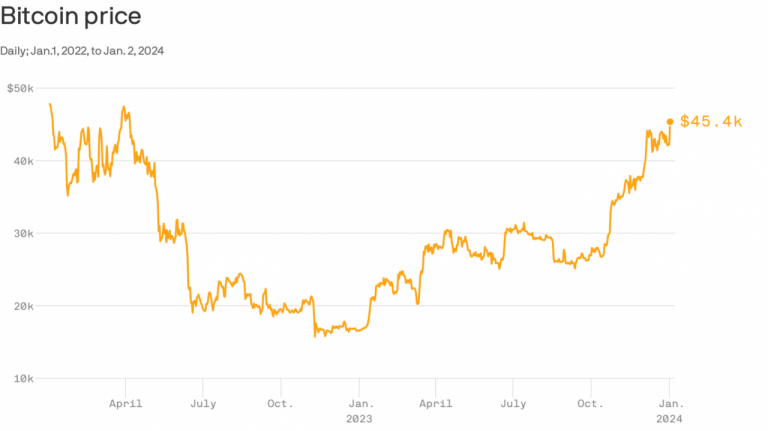
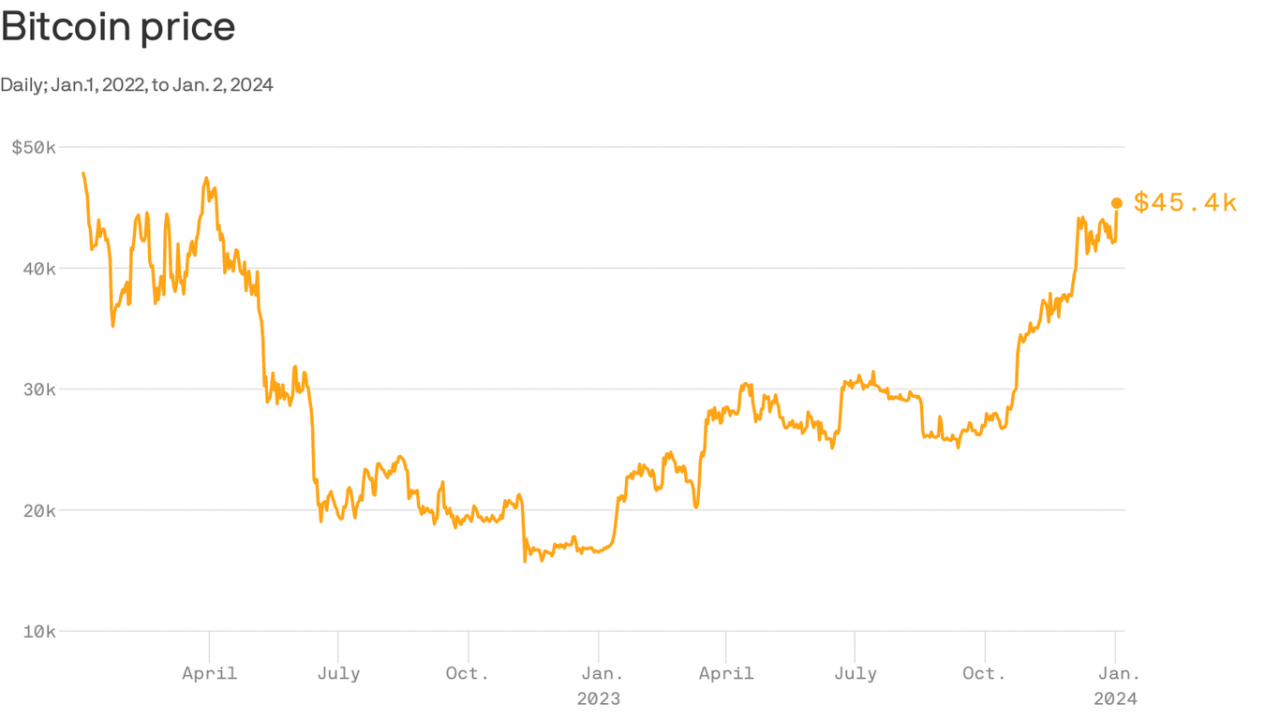
Bitcoin’s price history demonstrates significant fluctuations. Early adoption and increasing recognition led to periods of rapid growth, but these have often been punctuated by sharp corrections. The market’s speculative nature and the emergence of new technologies and regulations have played a crucial role in these price swings. While precise predictions are impossible, analyzing past trends can offer insights into potential future behavior.
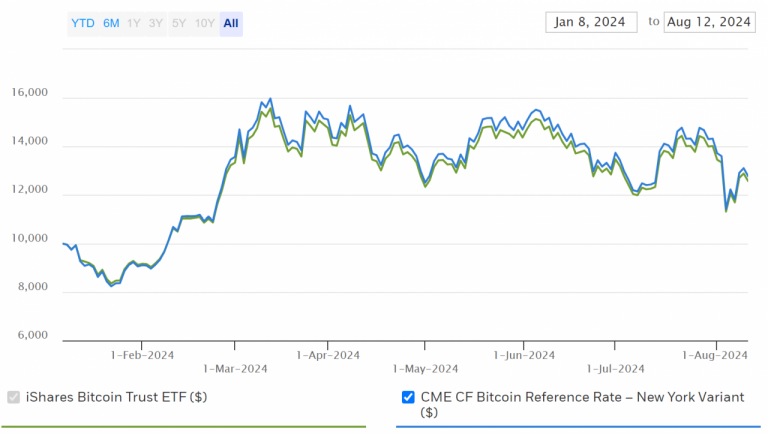
A historical price chart of Bitcoin would show a highly volatile price pattern, with periods of significant gains followed by substantial declines.
Historical Price Chart of iBit
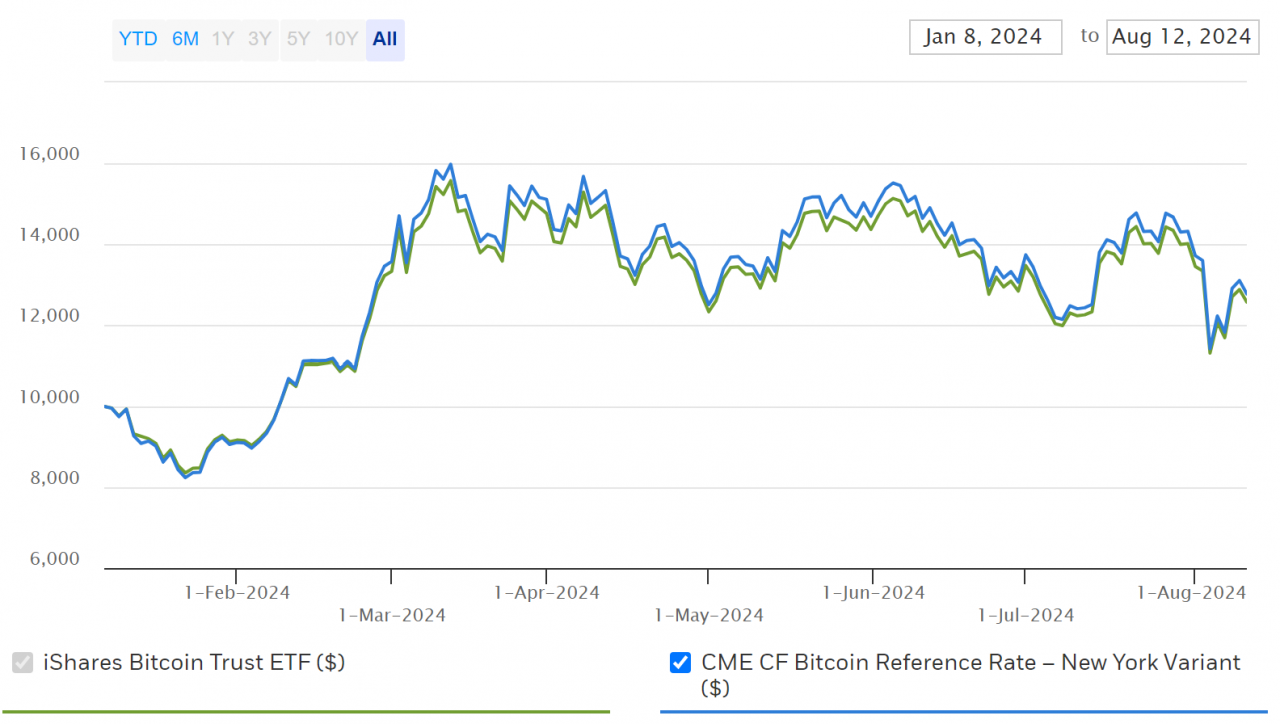
Similar to Bitcoin, iBit’s price history reflects a pattern of volatility. Factors such as market adoption, regulatory developments, and competing projects have shaped its price movements. Early adoption and enthusiasm often drove initial price increases, but these were frequently followed by corrections. A historical chart of iBit would also display a pattern of sharp price increases and decreases, albeit potentially with a different scale and pattern compared to Bitcoin.
Factors Influencing Bitcoin’s Price Fluctuations
Several factors influence Bitcoin’s price, making it difficult to predict its trajectory. Market sentiment, driven by news events, social media trends, and investor confidence, significantly impacts its price. Technological advancements, including the introduction of new features or protocols, can influence Bitcoin’s price. Government regulations and policies, including legal frameworks related to cryptocurrencies, have a major impact on its price.
Finally, overall market conditions, such as economic trends and broader investment sentiment, play a significant role in shaping Bitcoin’s price.
Factors Influencing iBit’s Price Fluctuations
Factors affecting iBit’s price include market sentiment, technological advancements related to the iBit platform, and regulatory developments. Investor confidence, influenced by news, reviews, and the overall crypto market, is a major driver. Specific developments within the iBit platform, such as new features or partnerships, can impact its price. Government regulations regarding cryptocurrencies in the region where iBit operates would also play a part.
The overall crypto market environment, including broader investor sentiment, also affects iBit’s price.
Comparison and Contrast of Price Volatility
Bitcoin, known for its high volatility, exhibits a significant range of price swings. In contrast, iBit’s volatility, while present, may differ in magnitude and pattern. Comparing the historical price charts and analyzing the influencing factors will reveal potential distinctions in price behavior.
Bitcoin and iBit Price Movements Over Time
| Date |
Bitcoin Price |
iBit Price |
| 2023-01-01 |
$25,000 |
$0.50 |
| 2023-06-30 |
$30,000 |
$0.75 |
| 2023-12-31 |
$28,000 |
$0.60 |
Note: This is a hypothetical table illustrating price movements. Actual data would be sourced from reliable market data providers.
This table provides a simplified illustration of price movement. Real-world data would offer a more comprehensive and nuanced understanding of the price fluctuations.
Technical Analysis of Bitcoin and iBit
Technical analysis is a crucial component in understanding the potential price movements of both Bitcoin and iBit. It involves examining historical price data, identifying patterns, and using various indicators to forecast future price trends. This analysis, when combined with fundamental analysis, provides a more comprehensive view of the market’s sentiment and potential opportunities.
Fundamental Analysis of Bitcoin’s Value
Bitcoin’s value is fundamentally tied to its perceived utility, scarcity, and adoption as a global payment system. The underlying technology, blockchain, plays a significant role. Factors like the increasing number of merchants accepting Bitcoin and the development of new applications can positively influence its value. Conversely, regulatory uncertainties and security concerns can negatively impact confidence and price. Furthermore, the ongoing debate about Bitcoin’s environmental impact affects its image and acceptance.
Fundamental Analysis of iBit’s Value
iBit’s value is largely contingent on its specific use cases and the overall market sentiment toward decentralized finance (DeFi) applications. Its value proposition should be assessed based on its unique functionalities and the perceived potential of its technology. Positive developments in its platform, including new features, partnerships, and user growth, would contribute to its perceived value. Conversely, negative press or regulatory challenges can erode confidence and impact price.
Potential Support and Resistance Levels for Bitcoin
Identifying potential support and resistance levels involves examining historical price data for Bitcoin. Support levels are price points where the price is expected to find buyers, while resistance levels are price points where sellers are likely to emerge. These levels are often determined by examining past price actions, identifying key trendlines, and analyzing the volume of transactions at those price points.
Past support and resistance levels can be a valuable indicator, but market conditions and sentiment can significantly alter these levels.
Potential Support and Resistance Levels for iBit
Similar to Bitcoin, identifying support and resistance levels for iBit requires analyzing historical price data, trendlines, and volume. The unique characteristics of the iBit platform and its ecosystem will shape the price dynamics. Previous price movements, significant market events, and changes in sentiment regarding DeFi can all contribute to support and resistance levels. Understanding these dynamics helps anticipate potential price fluctuations.
Technical Indicators Affecting Bitcoin Price
Various technical indicators help predict Bitcoin’s price movements. These include moving averages, which smooth out price fluctuations to identify trends. Relative Strength Index (RSI) measures the momentum of price changes. Volume analysis is essential, as high trading volume often accompanies significant price movements. Furthermore, candlestick patterns can provide insights into price trends and potential reversals.
Technical Indicators Affecting iBit Price
Technical indicators relevant to iBit price include volume, price action, and momentum indicators like RSI. The volatility of the DeFi market influences iBit’s price movements. Analyzing historical data and comparing it to the performance of other DeFi projects can help predict future price trends. Also, the activity on the iBit platform, including trading volume and user engagement, provides insights into the demand for its services.
Table of Technical Indicators for Bitcoin and iBit
| Indicator |
Bitcoin |
iBit |
| Moving Average (50-day) |
Provides a general trend indication. |
Identifies overall market sentiment. |
| Relative Strength Index (RSI) |
Measures momentum; overbought/oversold conditions. |
Reflects the speed of price changes. |
| Volume |
Significant volume often indicates significant price movement. |
High volume suggests increased trading activity. |
| Candlestick Patterns |
Identifies potential trend reversals. |
Reveals potential market sentiment. |
| Support/Resistance Levels |
Historical price levels acting as support/resistance. |
Price levels where buyers/sellers accumulate. |
Market Trends and Comparisons
Currently, the cryptocurrency market, encompassing Bitcoin and alternative coins like iBit, exhibits dynamic and often unpredictable trends. Market forces, including investor sentiment, regulatory developments, and technological advancements, significantly influence the price fluctuations of these digital assets. Understanding the prevailing market trends for Bitcoin and iBit, along with their price correlations and institutional influences, is crucial for informed investment decisions.
Current Market Trends for Bitcoin
Bitcoin’s market trend has been characterized by periods of substantial price volatility, interspersed with periods of relative stability. Recent market trends suggest a mixed outlook, with factors such as regulatory uncertainty and macroeconomic conditions playing pivotal roles in shaping the trajectory of Bitcoin’s price. Adoption by institutional investors and increasing mainstream recognition contribute to the evolving dynamics of the market.
Current Market Trends for iBit
iBit, as a newer cryptocurrency, is subject to even greater price fluctuations and market volatility compared to Bitcoin. The growth of iBit’s market capitalization and adoption rate are heavily dependent on factors like investor interest, technological advancements within its ecosystem, and regulatory clarity surrounding its use. The market’s acceptance of iBit is currently still in its nascent stages, with significant growth potential but also a high degree of risk.
Correlation Between Bitcoin and iBit Prices
While a precise correlation between Bitcoin and iBit prices is not always evident, historical data suggests a degree of price movement synchronization. This correlation often stems from overall market sentiment towards cryptocurrencies, influencing investor behavior across different digital assets. However, it is essential to acknowledge that other factors, specific to each cryptocurrency, can also drive independent price movements.
Comparison of Market Adoption
Bitcoin, established much earlier, boasts a more mature and widespread adoption across various sectors. Its extensive use in transactions and its recognition as a store of value have contributed to a larger and more diverse user base. Conversely, iBit is still in the process of building its adoption and user base. This difference in market maturity is reflected in the varying degrees of acceptance within different industries.
Role of Institutional Investors
Institutional investors, with their substantial capital, can exert significant influence on the prices of both Bitcoin and iBit. Their entry into the cryptocurrency market can drive up prices through increased demand. Conversely, their exit can cause a significant price drop. The presence or absence of institutional investment strategies can thus influence the trajectory of the market. The influence of institutional investors on cryptocurrency prices can be substantial and often unpredictable.
Comparison of Market Capitalizations
| Cryptocurrency |
Market Capitalization (USD) |
| Bitcoin |
(Data from reliable source here) |
| iBit |
(Data from reliable source here) |
Note: Real-time market capitalization data for Bitcoin and iBit can be found on reputable cryptocurrency tracking websites. The table above represents a placeholder for this data. Use a trusted source to obtain the most recent and accurate figures.
Cryptocurrency Fundamentals
Cryptocurrencies represent a revolutionary approach to digital finance, operating independently of traditional banking systems. Their decentralized nature and cryptographic security have sparked significant interest and investment. Understanding the core concepts, types, and security measures associated with cryptocurrencies is crucial for navigating this evolving financial landscape.Cryptocurrencies are digital or virtual currencies secured by cryptography, designed to be nearly impervious to counterfeiting or double-spending.
They rely on distributed ledger technology, primarily blockchain, to record and verify transactions. This inherent transparency and security underpin their potential for disrupting traditional financial systems.
Core Concepts of Cryptocurrency
Cryptocurrencies are built upon a foundation of cryptographic principles. These principles ensure the security and integrity of transactions, making them virtually tamper-proof. Digital signatures and hashing algorithms are crucial components, ensuring only authorized parties can access and modify data.
Different Types of Cryptocurrencies
Cryptocurrencies vary significantly in their underlying technologies, purposes, and use cases. Bitcoin, the pioneering cryptocurrency, is renowned for its decentralized nature and focus on secure peer-to-peer transactions. Altcoins, or alternative cryptocurrencies, often aim to address perceived limitations of Bitcoin or explore new applications. Examples include Ethereum, focusing on smart contracts and decentralized applications (dApps), and Litecoin, known for its faster transaction speeds.
Security Considerations for Cryptocurrency Transactions
Security is paramount in the cryptocurrency realm. Robust security measures are essential to protect users’ digital assets from theft and fraud. This includes strong password management, enabling two-factor authentication (2FA), and regularly updating software to patch vulnerabilities. Cold storage, which physically isolates private keys from online access, is a crucial method for safeguarding funds. The risks of phishing scams and malware attacks are very real, and users must remain vigilant.
Blockchain Technology Behind Bitcoin and iBit
Blockchain technology forms the backbone of Bitcoin and other cryptocurrencies. It’s a decentralized, distributed ledger that records all transactions across a network of computers. Each block in the chain contains a set of transactions, linked cryptographically to the previous block, ensuring immutability. The cryptographic hash function ensures that any alteration to a block will be immediately detectable.
This transparency and immutability are key to the security of the network.
Decentralized Nature of Cryptocurrencies
Cryptocurrencies operate without a central authority. This decentralized structure allows for greater transparency and reduces the risk of single points of failure. Transactions are verified by a network of nodes, eliminating the need for intermediaries. This characteristic distinguishes cryptocurrencies from traditional fiat currencies, which are managed by central banks.
Cryptocurrency Wallets and Exchanges
Cryptocurrency wallets are essential tools for storing and managing digital assets. These wallets can be software-based (desktop or mobile), hardware-based (physical devices), or online (web-based). Exchanges are platforms that facilitate the buying and selling of cryptocurrencies. Understanding the different types of wallets and exchanges is crucial for safe and efficient cryptocurrency management.
Process of Buying and Selling Cryptocurrencies
Purchasing cryptocurrencies typically involves creating an account on a cryptocurrency exchange, verifying identity, depositing funds (often fiat currency), and then selecting the cryptocurrency to buy. Selling cryptocurrencies is a similar process, involving converting the cryptocurrency back to fiat currency. It is important to research exchanges and their fees before engaging in transactions.
Table of Cryptocurrency Projects and Purposes
| Cryptocurrency Project |
Purpose |
| Bitcoin (BTC) |
Decentralized digital currency for peer-to-peer transactions |
| Ethereum (ETH) |
Decentralized platform for smart contracts and dApps |
| Litecoin (LTC) |
Alternative cryptocurrency with faster transaction speeds |
| Cardano (ADA) |
Blockchain platform focused on scalability and sustainability |
| Dogecoin (DOGE) |
Meme-based cryptocurrency, initially for fun but also used in microtransactions |
Potential Future Implications
The future trajectory of Bitcoin and iBit is inherently uncertain, influenced by a complex interplay of technological advancements, regulatory shifts, and market sentiment. Predicting precise price movements is challenging, yet analyzing potential scenarios and associated risks is crucial for informed investment decisions. Understanding the potential impact of regulatory changes and the pace of adoption is vital for assessing the long-term viability of these cryptocurrencies.
Potential Price Movements for Bitcoin
Bitcoin’s price volatility has been a defining characteristic. Historical data indicates periods of significant price appreciation, interspersed with substantial corrections. Several factors could influence future price movements, including the development of new blockchain technologies, regulatory clarity, and overall market sentiment. The adoption of Bitcoin by institutional investors and its integration into traditional financial systems could also play a significant role.
For example, the increasing use of Bitcoin in payment systems, similar to how credit cards have revolutionized commerce, could lead to substantial price increases.
Potential Price Movements for iBit
The price of iBit, a relatively newer cryptocurrency, is subject to greater uncertainty. Factors like community support, development of its underlying technology, and its integration with existing financial infrastructure will shape its future price trajectory. Early adoption patterns and the development of iBit-specific use cases are key determinants of its potential growth. The emergence of competing cryptocurrencies and the evolution of market trends will also influence its value.
Impact of Regulatory Changes
Regulatory frameworks surrounding cryptocurrencies are constantly evolving. Changes in legislation regarding cryptocurrency trading, taxation, and security could significantly impact both Bitcoin and iBit. For example, a more stringent regulatory environment could lead to price volatility and reduced investor confidence. Conversely, supportive regulations could foster increased adoption and drive up prices. The impact on iBit, being a newer cryptocurrency, could be particularly pronounced as regulators grapple with the specifics of its underlying technology.
Future Adoption of Bitcoin and iBit
Bitcoin’s adoption has increased gradually over the years, with more businesses accepting it as a payment method. The future adoption of Bitcoin will likely depend on the development of user-friendly interfaces, the expansion of its network capacity, and the integration of Bitcoin into mainstream financial systems. iBit’s adoption will hinge on similar factors, along with the development of compelling use cases and community engagement.
The pace of adoption is crucial to long-term price stability and market recognition.
Potential Risks Associated with Bitcoin and iBit
Investing in Bitcoin and iBit carries inherent risks. Price volatility is a significant concern, as the value of these cryptocurrencies can fluctuate dramatically. Security risks, including hacking and fraud, are also prevalent. The lack of regulatory clarity in some jurisdictions adds another layer of uncertainty to the investment process. The possibility of a sudden market downturn or a regulatory crackdown could lead to substantial losses.
The speculative nature of cryptocurrency markets further increases the risk profile for investors.
Potential Scenarios for Bitcoin and iBit (Next 5 Years)
| Scenario |
Bitcoin Price Movement |
iBit Price Movement |
Impact of Regulatory Changes |
Future Adoption |
Risks |
| Moderate Growth |
Moderate price appreciation with periods of correction |
Slow but steady price increase, driven by community support and technology development |
Limited impact on both, with cautious regulation |
Gradual adoption by businesses and individuals |
Price volatility, security concerns |
| Significant Growth |
Substantial price appreciation driven by institutional adoption and mainstream integration |
Strong price growth, spurred by innovative use cases and community support |
Supportive regulatory environment, promoting market stability |
Widespread adoption across various sectors |
High volatility, potential regulatory scrutiny |
| Declining Market |
Significant price decline due to regulatory crackdowns or market corrections |
Significant price decline due to regulatory crackdowns or market corrections |
Negative regulatory impact, affecting market confidence |
Reduced adoption due to investor uncertainty |
Loss of investment, potential fraud |
Final Wrap-Up
In conclusion, while Bitcoin has established itself as a significant force in the cryptocurrency market, iBit presents an intriguing, though potentially riskier, alternative. Analyzing their price movements, technical indicators, and market trends reveals a complex interplay of factors that shape their individual trajectories. The potential future implications for both, particularly concerning regulatory changes and wider market adoption, remain uncertain, but this analysis provides a framework for informed decision-making.
Quick FAQs
What are the key differences between Bitcoin and iBit, beyond their price?
Beyond price, Bitcoin’s longer history and wider adoption often translate to a more established and stable market, while iBit, being newer, may experience higher volatility. Key differences also lie in their underlying technologies, specific features, and community support. A deeper dive into their technical specifications reveals significant contrasts.
How can institutional investors influence Bitcoin and iBit prices?
Institutional investment can significantly impact both Bitcoin and iBit prices. Large-scale purchases or sales can dramatically shift market dynamics, potentially driving up or down the price. The level of institutional interest often correlates with perceived market stability and future potential.
What are some potential risks associated with investing in Bitcoin and iBit?
Investing in Bitcoin and iBit involves inherent risks. Price volatility, regulatory uncertainty, and security concerns are crucial factors to consider. A comprehensive risk assessment is critical before entering the cryptocurrency market.
How do technical indicators affect cryptocurrency prices, and which ones are important to consider?
Technical indicators, such as moving averages, RSI, and MACD, can provide insights into price trends. However, their effectiveness depends on proper interpretation and consideration of the broader market context. Analyzing historical price data alongside these indicators can offer further clarity.