June 1, 2026

branding

Nike’s branding strategy is more than just a logo; it’s a powerful narrative woven through decades of athletic innovation and cultural relevance. From its humble beginnings to global domination, Nike’s story is one of consistent evolution and adaptability, reflecting changing consumer desires and trends. Understanding this strategy reveals how Nike has become a cultural phenomenon, connecting with athletes and consumers on a profound level.

This analysis explores Nike’s branding journey, examining its positioning, marketing tactics, customer engagement, and global reach. We will delve into the core values that underpin its success, the innovative campaigns that have shaped its image, and the challenges it has overcome. By understanding Nike’s approach, we can glean valuable insights into effective branding strategies in today’s dynamic marketplace.

Introduction to Nike’s Branding

Nike’s brand journey, from a small athletic footwear company to a global powerhouse, is a testament to effective branding strategies. The company’s evolution reflects a continuous adaptation to changing consumer preferences and market trends, while maintaining a core identity rooted in athleticism and performance. This evolution has shaped Nike’s current standing as a leading brand synonymous with innovation, inspiration, and aspiration.

History of Nike’s Brand Evolution

Nike’s journey began in 1964 as Blue Ribbon Sports, focusing on importing Japanese athletic shoes. The company transitioned to designing and manufacturing its own products, gaining recognition through innovative designs and a focus on performance. The introduction of the iconic “Swoosh” logo and the “Just Do It” slogan solidified Nike’s position as a major player in the sports apparel industry.

The brand continued to expand its product lines, encompassing apparel, accessories, and equipment, catering to a wider range of athletes and activities. Nike’s collaborations with renowned athletes and endorsement deals further amplified its global recognition and appeal. Today, Nike is known for its innovation in technology and materials, constantly pushing boundaries in athletic performance.

Core Values and Mission Statement

Nike’s core values, consistently emphasized in its branding, revolve around athleticism, innovation, and empowerment. These values are woven into the company’s mission statement, aiming to inspire athletes and empower individuals to reach their full potential. The company frequently champions athletes’ pursuit of excellence and celebrates their triumphs.

Initial Target Audience and Evolution

Initially, Nike’s target audience was primarily focused on serious athletes and runners. However, over time, the target demographic broadened to encompass a more diverse range of individuals, including casual athletes, fitness enthusiasts, and even those who view Nike products as fashion statements. The shift reflects the growing fitness and wellness culture, where athletic apparel is no longer solely associated with professional sports.

Key Branding Elements

Nike’s branding relies on recognizable and impactful elements, such as the logo, colors, and fonts.

  • The Swoosh Logo: The distinctive swoosh logo, a stylized representation of a running curve, is instantly recognizable globally. Its simple yet powerful design embodies athleticism, dynamism, and forward momentum. Its abstract nature allows it to transcend specific sports and appeal to a wide audience.
  • Color Palette: Nike’s color palette often features bold and vibrant hues, such as black, white, and various shades of red and grey. These colors are associated with strength, power, and athletic performance. The brand also utilizes a range of color combinations, creating a diverse and appealing aesthetic.
  • Typography: Nike’s font choices are consistent and impactful, often incorporating bold and sans-serif styles. These fonts are designed to communicate strength, confidence, and a sense of motion, reflecting the brand’s core values and aspirations. Specific fonts are used to match specific campaigns and product categories, ensuring cohesion and clarity.

Brand Positioning and Differentiation

Nike’s brand positioning strategy is a cornerstone of its success. It strategically positions itself as a leader in athletic performance, emphasizing innovation, quality, and a strong connection with athletes. This approach resonates deeply with consumers seeking high-performance products and a sense of belonging to a broader athletic community.Nike’s differentiation lies not just in its products, but in its powerful brand narrative.

This narrative weaves a compelling story of pushing boundaries, achieving goals, and celebrating individual triumphs. The brand transcends the simple function of athletic gear; it embodies aspiration and achievement.

Nike’s Market Positioning

Nike strategically positions itself as the premier performance brand in athletic footwear and apparel. It targets a broad range of athletes and fitness enthusiasts, from professional athletes to weekend warriors. The brand’s diverse product lines cater to various athletic disciplines and levels of experience, ensuring broad appeal and market penetration. This approach distinguishes it from brands that focus on specific niches or demographics.

Comparison with Competitors

Nike’s branding strategy contrasts with that of competitors like Adidas and Under Armour. Adidas, while also a major player, often leans into a more fashion-forward aesthetic, aiming to appeal to a broader, less specifically athletic audience. Under Armour, in contrast, focuses on performance-oriented functionality, particularly in the realm of training and fitness apparel. Nike’s strategy maintains a focus on performance, while encompassing a wider range of activities and aspirations.

This strategic breadth, combined with its enduring legacy and global reach, differentiates it from the competition.

Key Factors Differentiating Nike

Several key factors contribute to Nike’s unique brand identity and its differentiation from competitors:

  • Strong Brand Heritage and Legacy: Nike’s history of innovation and association with iconic athletes creates a powerful legacy. This enduring presence in the sporting world is a key differentiator, shaping consumer perception and trust. Examples include the consistent association with influential athletes like Michael Jordan and their respective iconic product lines.
  • Innovation and Technology: Nike consistently invests in research and development, incorporating cutting-edge technology into its products. This commitment to innovation is showcased in products like the Nike Vaporfly, demonstrating a relentless pursuit of performance enhancement. This commitment fosters a perception of superior quality and advancement.
  • Global Marketing and Brand Awareness: Nike’s global marketing campaigns, featuring impactful advertising and endorsements, build strong brand awareness and recognition. This wide reach allows Nike to connect with a diverse global audience, further solidifying its market dominance.

Unique Selling Propositions (USPs)

Nike’s USPs are integral to its brand perception and consumer loyalty:

  • Performance-Driven Products: Nike emphasizes superior performance through its innovative designs and materials. This is a key USP, differentiating it from competitors focusing solely on style or fashion. The Nike Vaporfly, for instance, demonstrates a focus on performance through engineering and technological advancements.
  • Athlete-Focused Brand Narrative: Nike fosters a sense of community and aspiration, connecting with athletes through their stories and achievements. This emotional connection transcends mere product purchase and creates a powerful brand narrative, building brand loyalty.
  • Consistent Brand Messaging and Visual Identity: Nike maintains a consistent brand message and visual identity across all its marketing efforts. This cohesive approach reinforces the brand’s core values and principles, creating a powerful and recognizable brand presence.

Marketing Strategies and Campaigns

Nike’s marketing prowess is a cornerstone of its global success. The brand consistently innovates in its approach to reaching and engaging consumers, employing a multifaceted strategy that combines diverse tactics to build brand loyalty and drive sales. This includes leveraging cutting-edge technology, forging impactful partnerships, and crafting compelling narratives around athleticism and personal achievement.Nike employs a range of marketing strategies, including celebrity endorsements, social media marketing, and impactful advertising campaigns.

These campaigns are designed to resonate with diverse target audiences and reinforce the brand’s core values of athletic performance, innovation, and self-expression.

Types of Marketing Campaigns

Nike utilizes various strategies to promote its products and brand image. These include celebrity endorsements, leveraging social media platforms, and creating innovative advertising campaigns. The effective integration of these strategies builds a strong brand identity, fostering consumer loyalty and driving product demand.

Impactful Campaigns

Nike has a history of impactful campaigns that have significantly shaped its brand perception. These campaigns resonate with target audiences, driving brand awareness and product interest. The table below highlights some of these campaigns:

Campaign Name Target Audience Key Message
“Just Do It” Broad consumer base, particularly athletes and fitness enthusiasts Empowering individuals to pursue their athletic goals and embrace challenges.
“Find Your Greatness” Individuals seeking personal growth and fulfillment through athletic endeavors Inspiring self-belief and highlighting the personal transformation that comes with pursuing one’s potential.
“Dream Crazier” Women and girls in sports and beyond, challenging traditional gender roles Empowering women and girls to pursue their ambitions and break barriers in their chosen fields.
“Move to Zero” Environmentally conscious consumers and those committed to sustainability Highlighting Nike’s commitment to environmental sustainability and encouraging environmentally responsible practices.

Storytelling in Nike Marketing

Nike’s marketing often utilizes storytelling to connect with consumers on an emotional level. These narratives often center on athletes’ journeys, highlighting the struggles and triumphs that accompany achieving personal goals. This approach creates a deeper connection with the audience, fostering a sense of shared experience and inspiration. The stories often emphasize perseverance, determination, and the transformative power of sport.

“Nike’s storytelling is not just about products; it’s about aspiration, overcoming adversity, and achieving personal best.”

Sponsorships and Partnerships

Nike strategically uses sponsorships and partnerships to enhance its brand image and expand its reach. These collaborations often involve high-profile athletes, teams, and sporting events. The choice of partners aligns with Nike’s brand values, projecting an image of excellence and innovation. The partnerships help to solidify Nike’s position as a leader in the athletic industry.

Brand Experience and Customer Engagement

Nike cultivates a deep and multifaceted relationship with its customers, extending far beyond the simple transaction of purchasing athletic apparel and footwear. This commitment to immersive brand experience is crucial in fostering loyalty and driving continued engagement. The company’s approach combines physical retail presence with robust online platforms and innovative technological integrations, all designed to connect with and empower athletes of all levels.Nike understands that a powerful brand experience transcends mere product quality; it’s about creating an environment that inspires, motivates, and connects with customers on an emotional level.

This holistic approach is reflected in Nike’s customer service, community building initiatives, and innovative use of technology.

Nike’s Retail Experience

Nike’s retail presence plays a vital role in the overall brand experience. From flagship stores to smaller, community-focused locations, the company meticulously crafts environments that inspire and motivate. These spaces often incorporate interactive elements, showcasing product innovation and highlighting athlete stories. The design often emphasizes a sense of movement and dynamism, mirroring the brand’s core values. Online stores replicate this engaging atmosphere, with user-friendly navigation, high-quality product photography, and detailed information to empower informed purchasing decisions.

Customer Service and Brand Loyalty

Nike’s customer service is deeply integrated into its overall brand experience. Proactive and responsive support is critical to maintaining customer satisfaction and fostering long-term loyalty. Nike’s customer service representatives are trained to understand the brand’s values and to offer personalized support. This approach cultivates a sense of trust and encourages repeat business. Nike often leverages online platforms and social media to address customer concerns quickly and effectively.

This direct engagement strengthens the customer relationship and reinforces the brand’s commitment to its customers.

Technological Engagement with Customers

Nike’s innovative use of technology is a key component of its customer engagement strategy. From personalized product recommendations to interactive training apps, Nike leverages technology to create tailored experiences. Nike’s use of virtual reality (VR) and augmented reality (AR) technologies are becoming increasingly important in allowing customers to visualize products in their daily lives. Furthermore, data-driven insights allow Nike to understand customer preferences and tailor product offerings and marketing campaigns accordingly.

Community Building and Brand Advocacy

Nike actively fosters a sense of community around its brand, recognizing that shared experiences and passions unite its customers. From supporting athletes at all levels to organizing community events and sponsorships, Nike creates opportunities for individuals to connect with the brand and each other. The company actively engages with influencers, athletes, and customers on social media platforms, fostering dialogue and a sense of shared identity.

This strategy not only strengthens brand awareness but also builds a loyal community of brand advocates.

Global Branding and Cultural Relevance

Nike’s global success hinges on its ability to resonate with diverse audiences worldwide. This requires a nuanced approach to branding, adapting marketing strategies and messaging to reflect local cultural contexts while maintaining the core brand identity. The company achieves this by understanding and respecting the unique values and preferences of different markets.Nike effectively leverages cultural symbols and imagery to create powerful connections with consumers in specific regions.

This is not simply about translating slogans; it’s about tailoring the entire brand experience to resonate deeply with local values.

Adapting Branding Strategies Across Cultures

Nike’s global strategy involves tailoring its marketing campaigns and product offerings to specific cultural contexts. This approach allows the brand to connect with diverse audiences on a more personal level, building trust and loyalty. They understand that a one-size-fits-all approach is ineffective in the global marketplace.

Use of Cultural Symbols and Imagery

Nike strategically utilizes cultural symbols and imagery in its campaigns to foster a sense of belonging and shared identity. This approach is vital for building brand authenticity and emotional connection. For example, campaigns featuring athletes from various cultural backgrounds can reinforce the message of inclusivity and inspiration. The use of locally relevant music, colors, and artistic styles in advertisements can also increase the campaign’s impact and cultural relevance.

Examples of Global Brand Messaging

Nike’s global brand messaging emphasizes themes of empowerment, aspiration, and overcoming challenges. These core values resonate across diverse cultures. However, the specific articulation of these values often adapts to the local context. For instance, a campaign focusing on female empowerment in one country might highlight the role of women in sports, while in another, it might emphasize the role of women in leadership.

Comparison of Marketing Strategies in Different Countries

Country Marketing Strategy Adaptations Cultural Considerations
China Emphasizes community spirit and collectivism in campaigns. Collaborations with popular Chinese athletes and influencers are common. Focus on family values and social harmony is paramount. Marketing campaigns need to avoid stereotypes and present a positive image of Chinese culture.
India Highlights the importance of tradition and cultural heritage, often incorporating local motifs and symbols in product designs. Strong emphasis on community involvement. Cultural diversity and the wide range of beliefs and traditions are critical. Marketing needs to be sensitive to various religious and social norms.
United States Focuses on individualism, innovation, and performance. Features prominent American athletes in campaigns. Emphasis on individual achievement and personal success is prevalent. Marketing campaigns often highlight the aspirational aspects of the brand.
Japan Emphasizes quality, craftsmanship, and precision. Collaborations with Japanese artists and artisans are common. Respect for tradition and social hierarchy are important considerations. Campaigns need to demonstrate cultural sensitivity and appreciation.

Brand Evolution and Adaptability

Nike’s brand has consistently adapted to changing consumer preferences and technological advancements, maintaining its dominance in the athletic apparel and footwear market. This adaptability is a key factor in Nike’s enduring success, demonstrating a remarkable ability to evolve while staying true to its core values. Its journey reflects a dynamic interplay between staying true to its roots and embracing innovation.Nike’s brand evolution is not simply a matter of cosmetic changes; it’s a reflection of a deep understanding of consumer desires and market trends.

The company’s ability to anticipate and respond to these shifts has been instrumental in its sustained growth. Furthermore, Nike’s evolution demonstrates a strategic approach to leveraging innovation and technological advancements, ensuring its products remain relevant and desirable.

Nike’s Historical Evolution

Nike’s early branding focused on performance and athleticism, capitalizing on the growing popularity of sports. This initial focus laid the foundation for the brand’s reputation for quality and innovation. Later, the brand expanded its appeal by incorporating lifestyle elements and cultural trends, successfully broadening its target audience beyond dedicated athletes.

Innovation and Technological Advancements

Nike’s commitment to innovation is evident in its continuous development of cutting-edge technologies in footwear and apparel. This dedication has been instrumental in maintaining its leadership position. Examples include revolutionary cushioning technologies like Air Max and Flyknit, which have transformed the athletic experience and become iconic features in the brand’s design language. The development of responsive materials, like Nike React foam, has allowed for a new generation of lightweight and responsive footwear.

Challenges and Crises

Nike, like any major corporation, has faced challenges and crises that have tested its resilience. One prominent example was the controversy surrounding labor practices in some of its overseas factories. This highlighted the importance of ethical considerations in brand building. Another challenge was the need to respond to shifting consumer preferences, particularly from environmentally conscious consumers. Nike’s ability to adapt and address these concerns is crucial to its ongoing success.

Strategies for Addressing Challenges

Nike has employed various strategies to mitigate the impact of challenges. In response to labor concerns, Nike implemented rigorous audits and transparency measures to ensure ethical manufacturing practices. To address environmental concerns, the company launched initiatives focused on sustainable materials and production processes, aligning its brand with growing environmental awareness. These initiatives demonstrate a commitment to social responsibility, an important aspect of modern brand building.

Adapting to Changing Consumer Preferences

Nike’s marketing campaigns have been carefully crafted to resonate with evolving consumer preferences. From focusing on inclusivity and diversity to emphasizing sustainability and ethical production, Nike’s messaging has evolved to reflect the values of a changing generation. The company’s approach to influencer marketing and social media engagement demonstrates a sophisticated understanding of modern consumer engagement. This is a crucial element of staying relevant and attracting a wider range of consumers.

Defining Branding Strategy

A branding strategy is a long-term plan that Artikels how a company will build and maintain its brand identity. It’s more than just a logo or tagline; it encompasses the entire customer experience, from initial awareness to post-purchase loyalty. It guides every aspect of the company’s interactions with its target audience, ensuring consistent messaging and a unified brand image across all platforms.A successful branding strategy is crucial for establishing a strong brand presence in the marketplace.

It differentiates a company from competitors, fosters customer loyalty, and ultimately drives business growth. This plan acts as a roadmap, ensuring that all marketing efforts are aligned with the overarching brand vision.

Key Components of a Successful Branding Strategy

A robust branding strategy encompasses several key elements, each contributing to a cohesive and impactful brand image. These elements are interconnected and must work in harmony to achieve the desired results. The interplay between these components determines the overall success of the branding strategy.

Elements of a Branding Strategy

A comprehensive branding strategy incorporates various elements to create a consistent and compelling brand experience.

  • Brand Identity: This includes the brand’s name, logo, tagline, visual identity (color palette, typography), and overall personality. A well-defined brand identity is the foundation upon which all other elements of the strategy are built.
  • Target Audience Definition: Understanding the specific demographics, psychographics, needs, and motivations of the target audience is paramount. This detailed understanding enables tailored messaging and experiences that resonate deeply with the desired customer base.
  • Brand Positioning: This defines how the brand is perceived in the market relative to competitors. Clearly articulating the brand’s unique value proposition and differentiating factors is essential for establishing a strong market position.
  • Brand Messaging: This involves crafting a consistent and compelling narrative that communicates the brand’s values, mission, and unique selling points. Effective brand messaging should be clear, concise, and easily understood by the target audience.
  • Brand Experience: This encompasses all touchpoints where customers interact with the brand, from website design and customer service interactions to product packaging and in-store experiences. Creating a seamless and positive brand experience is crucial for fostering customer loyalty.
  • Brand Monitoring and Evaluation: Regularly monitoring brand perception and performance is essential. Analyzing feedback, tracking key metrics, and adapting the strategy based on insights are crucial for maintaining a strong brand position in the long term.

Consistency in Branding Strategy

Maintaining consistency in branding across all platforms and interactions is vital for building a strong and recognizable brand.

  • Visual Consistency: Using a consistent logo, color palette, and typography across all marketing materials ensures a unified brand image. This reinforces brand recognition and builds trust.
  • Message Consistency: Delivering a consistent message across all channels ensures a clear and unified brand identity. This reinforces the brand’s values and ensures that all communication resonates with the target audience.
  • Experience Consistency: Maintaining a consistent brand experience across all customer touchpoints fosters a seamless and positive interaction. This includes consistent customer service, website navigation, and product quality.

Consistency in branding is not merely about aesthetics; it’s about building trust and recognition.

Analyzing Nike’s Overall Branding

Nike’s branding is a powerful testament to effective marketing and consistent brand building. The company’s enduring success hinges on a multifaceted strategy that resonates deeply with athletes and consumers worldwide. This analysis delves into the core elements of Nike’s approach, evaluating its strengths and weaknesses, and exploring potential future trajectories.

Strengths of Nike’s Branding

Nike’s branding strategy excels in several key areas. Its consistent use of powerful imagery and slogans, often featuring athletes, has created a strong association with athleticism, performance, and empowerment. The “Just Do It” slogan, for instance, has become a global cultural touchstone, transcending the realm of sports to represent a broader mindset of perseverance and ambition. This enduring appeal is a testament to the strategic simplicity and broad applicability of the brand’s messaging.

  • Strong Brand Identity: Nike has consistently maintained a clear and recognizable brand identity. This is evident in its iconic swoosh logo, color palettes, and marketing campaigns. This visual consistency creates instant brand recognition, which is crucial for building a strong brand presence.
  • Athlete Partnerships: Collaborating with a diverse range of top athletes, from Michael Jordan to Serena Williams, creates a tangible link between the brand and performance. This association fosters trust and credibility, influencing consumer perception of the products’ quality and efficacy.
  • Focus on Innovation: Nike is renowned for its commitment to innovation in athletic apparel and footwear. The company continually develops cutting-edge technologies and designs, which fuels excitement and differentiates its products in the market. This focus on innovation, combined with strategic marketing, creates a compelling brand narrative.

Weaknesses of Nike’s Branding

While Nike’s branding is generally robust, certain areas require attention. Occasionally, the focus on exclusivity, while effective for certain segments, can alienate potential customers. Furthermore, criticisms surrounding ethical labor practices have emerged, impacting public perception and requiring ongoing vigilance.

  • Potential for Overexposure: The sheer volume of Nike marketing campaigns, while generating awareness, can lead to a sense of saturation. Consumers may perceive the brand as overly promotional, diminishing the impact of individual campaigns.
  • Ethical Concerns: Past controversies surrounding labor practices and supply chain transparency have presented challenges to the brand’s image. Addressing these concerns and demonstrating a commitment to ethical sourcing is vital to maintaining public trust.
  • Price Sensitivity: While Nike products are often associated with premium quality, the high prices can create barriers for entry, particularly for those seeking budget-friendly options. This price sensitivity is a potential vulnerability for the brand in the long run.

Long-Term Implications of Nike’s Branding Decisions

Nike’s ongoing commitment to innovation, athlete partnerships, and consistent branding is expected to yield positive long-term implications. The company’s strong brand equity and global reach position it for sustained growth. However, the company must proactively address any potential ethical or pricing-related issues to maintain a positive brand image.

Future of Nike’s Branding Strategy

Nike’s future branding strategy will likely involve a blend of established and evolving approaches. The emphasis on digital marketing and social media engagement will continue, as will collaborations with influencers and athletes. A critical aspect of the future will be further addressing ethical concerns within its supply chain.

  • Sustainability: The future of sports apparel is inextricably linked to sustainability. Nike’s branding strategy will likely incorporate environmental consciousness, focusing on eco-friendly materials and production processes.
  • Personalized Experiences: Leveraging data and technology, Nike can enhance the customer experience by providing more personalized products and services.
  • Expanding into New Markets: The company may expand its brand presence into new, emerging markets by adapting its messaging and product offerings to align with local preferences and values.

End of Discussion

In conclusion, Nike’s branding strategy is a masterclass in adaptability and cultural resonance. Its ability to evolve while staying true to its core values has solidified its position as a global powerhouse. The interplay of innovative marketing, customer engagement, and global strategy underscores the multifaceted nature of a successful brand. Looking ahead, Nike’s continued success hinges on its capacity to remain relevant and innovative in a constantly evolving landscape.

FAQ Summary

What are some of Nike’s most impactful marketing campaigns?

Nike has employed a variety of campaigns, including the “Just Do It” campaign, which has resonated with audiences globally, and more recent campaigns focused on social media and athlete endorsements. Each campaign has targeted specific audiences and communicated key messages aligned with Nike’s brand values.

How has Nike adapted its branding across different cultures?

Nike’s global branding strategy involves adapting messaging and imagery to resonate with specific cultural nuances. For example, campaigns might highlight local athletes or use culturally relevant symbols to connect with audiences in diverse regions.

What are some of the challenges Nike has faced in its branding efforts?

Nike, like any major brand, has faced various challenges, including criticism related to labor practices or controversies surrounding specific product launches. The company has responded to these challenges by proactively addressing concerns and adapting its strategies.

What are the long-term implications of Nike’s branding decisions?

Nike’s long-term branding decisions have significantly impacted its global reputation and market share. These decisions have positioned the company as a leader in athletic apparel and footwear, while also shaping consumer perceptions and expectations.
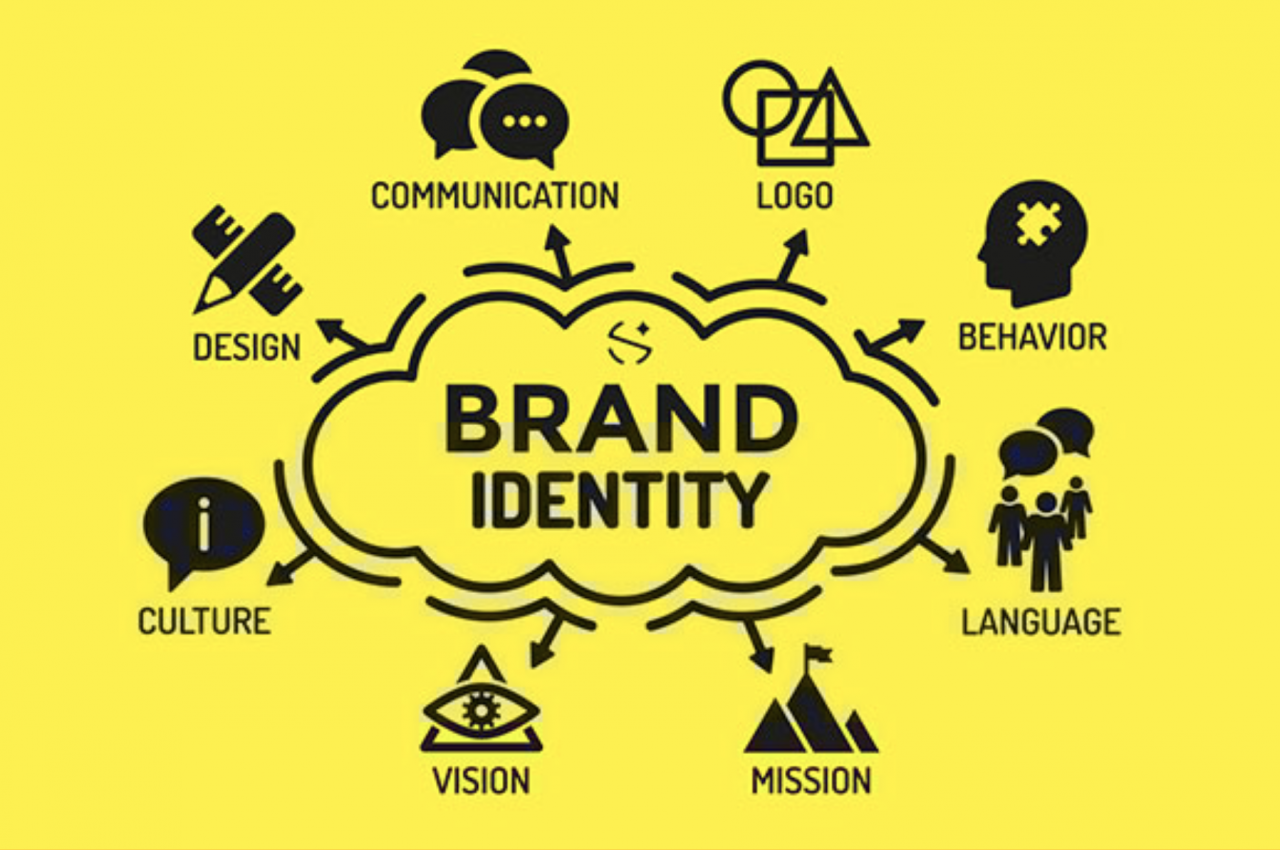
Branding iron laverne ok shines a spotlight on a unique tool that has woven itself into the fabric of various industries, offering individuals and businesses a means to leave their mark. Whether you’re a local artisan or a larger enterprise, branding irons serve as a powerful symbol of identity and craftsmanship. Across cultures and generations, these tools have evolved, adapting to the needs of their users while preserving historical significance.

From the materials used to create these branding tools to the various types available on the market, understanding branding irons is essential for anyone looking to enhance their brand identity. In Laverne, OK, local businesses have embraced these tools to carve out their niche, showcasing their work at community events and markets, thus uniting tradition with modern branding techniques.

Introduction to Branding Irons

Branding irons are tools used to create a permanent mark on various materials, primarily to identify ownership or origin. Their application spans different industries, including agriculture, manufacturing, and the culinary world. The distinct design of each branding iron often reflects the identity of the owner or the brand it represents, serving both functional and aesthetic purposes.Historically, branding irons have played a crucial role in trade and ownership.

Their roots can be traced back to ancient civilizations where livestock were branded to signify ownership, preventing theft and ensuring proper management of animals. Over time, the use of branding has expanded beyond livestock to include wood, leather, and even food products. This evolution illustrates the adaptability of branding techniques to meet the needs of different cultures and industries.

Historical Significance and Evolution

The practice of branding dates back thousands of years, with evidence of its use in ancient Egypt and Greece. The transition from simple symbols to more intricate designs demonstrates the evolution of branding techniques. Cultures across the globe embraced branding uniquely, adopting various methods to signify ownership or cultural identity.

  • In ancient China, artisans would brand their pottery with unique symbols, allowing consumers to identify the maker and the quality of the goods.
  • Native American tribes often used branding on their horses, signifying ownership and tribal affiliation, which was crucial for mobility and trade.
  • The European Middle Ages saw the emergence of heraldic symbols, where families would brand their livestock and goods with coats of arms, showcasing lineage and status.

The practical use of branding irons has expanded into contemporary applications, where they are used in artisanal products, culinary arts, and custom branding for businesses. This not only preserves the historical significance but also adapts to modern consumer culture, where authenticity and connection to craftsmanship are highly valued.

“A brand is not just a logo; it’s a promise about the quality and identity of the product.”

Features of Branding Irons

Branding irons play a crucial role in the identification and promotion of businesses by marking products with unique logos or designs. Understanding the key features of these tools is essential for anyone looking to invest in branding irons for their enterprise.Branding irons are primarily made from materials that ensure durability and effective heat conduction. The choice of material not only influences the quality of the branding but also affects the longevity of the tool.

Various types of branding irons are available on the market, each designed to cater to different branding needs. Additionally, custom designs are vital for businesses as they help in establishing brand identity and recognition.

Materials Used in Manufacturing Branding Irons

The materials used in the production of branding irons significantly impact their performance and lifespan. Common materials include:

  • Steel: The most popular material due to its durability and heat retention properties. Steel branding irons can withstand high temperatures, making them ideal for repeated use.
  • Brass: Known for its excellent thermal conductivity, brass is often used for smaller, more intricate branding designs. It can produce detailed logos and patterns effectively.
  • Aluminum: Lightweight and resistant to corrosion, aluminum branding irons are suitable for less demanding applications but may not hold heat as long as steel or brass.
  • Copper: Occasionally used for artistic branding irons, copper allows for unique designs but is less durable than steel options.

Types of Branding Irons Available

Branding irons come in various types, each tailored for specific uses and environments. Understanding these types can aid in selecting the right branding iron for various business needs:

  • Electric Branding Irons: These are powered by electricity and heat up quickly, allowing for fast and efficient branding. They are ideal for businesses that perform high volumes of branding.
  • Manual Branding Irons: Typically heated over an external flame or heat source, these irons require more time to heat up but are often preferred for their portability and lower cost.
  • Custom Branding Irons: Customizable to include specific logos or designs, these irons can be tailored to meet the unique branding needs of any business.
  • Hot Stamping Tools: Used in conjunction with foils, these tools apply logos with heat and pressure, resulting in a professional finish on various materials.

Importance of Custom Branding Iron Designs

Custom branding iron designs are crucial for reinforcing brand identity. They allow businesses to create a lasting impression with unique logos and symbols. The benefits of custom branding irons include:

  • Brand Recognition: A distinct logo helps customers easily identify a brand, which is essential for building customer loyalty.
  • Personalization: Custom branding irons can be tailored to reflect a company’s mission, values, and aesthetic, enhancing the overall customer experience.
  • Marketing Tool: Branding products with a unique logo serves as a marketing tool, promoting the business every time a product is used or displayed.
  • Quality Perception: A well-branded product often conveys quality and professionalism, influencing customer purchasing decisions.

Branding Irons in Laverne, OK

In the small yet vibrant community of Laverne, Oklahoma, branding irons play a pivotal role in the local craftsmanship and business identity. These tools are not just essential equipment for artisans; they also serve as a symbol of pride and tradition. With a rich agricultural heritage, branding irons have become synonymous with quality and authenticity in Laverne’s local markets.The significance of branding irons extends beyond their practical use in marking livestock or products.

For local artisans and craftsmen, these tools are crucial for establishing a unique identity and brand recognition. In a community where handmade goods are celebrated, the ability to personalize products with branding irons enhances their value and appeal. Consumers in Laverne appreciate the story behind each handcrafted item, and branding adds a layer of authenticity that resonates with buyers.

Local Businesses Utilizing Branding Irons

Various businesses in Laverne benefit from the use of branding irons, showcasing their commitment to quality craftsmanship. Some notable examples include:

  • Laverne Custom Woodworks: A woodworking shop that specializes in custom furniture and home décor, using branding irons to stamp their logo on each piece for a touch of personalization.
  • Rustic Leather Goods: This local artisan creates bespoke leather products ranging from wallets to belts, utilizing branding irons to imprint their designs, ensuring each item is uniquely marked.
  • Red Dirt Farms: A local farm that produces organic goods and uses branding irons to mark their products, reinforcing their commitment to quality and local farming practices.

The use of branding irons in these businesses not only strengthens their brand identity but also enhances customer loyalty. Consumers tend to gravitate towards brands that embody authenticity and craftsmanship, which is precisely what branding irons represent in the local marketplace.

Community Events Showcasing Branding Irons

Laverne hosts several community events and markets where the artistry of branding irons is highlighted. These gatherings offer a platform for local artisans to display their skills, share their stories, and connect with the community.The annual Laverne Arts and Crafts Festival is a notable event that features a range of handmade goods, including those marked with branding irons. Artisans come together to showcase their work, allowing attendees to appreciate the craftsmanship that goes into each piece.

During the festival, demonstrations of branding techniques take place, giving visitors insight into the process and significance of branding in the artisan community.Another significant event is the Laverne Farmers’ Market, where local producers, including those using branding irons, sell their goods. This market not only supports local agriculture but also serves as a venue for artisans to demonstrate their branding techniques, reinforcing the community’s commitment to supporting local businesses and craftsmanship.In summary, branding irons are integral to the identity of local artisans and businesses in Laverne, OK.

They encapsulate the community’s spirit of craftsmanship and authenticity, resonating with both residents and visitors alike.

Usage and Techniques

Branding irons are powerful tools that not only impart a unique mark but also tell a story about the items they touch. Proper usage of branding irons involves a blend of artistry, technique, and safety. Whether you’re personalizing wooden furniture, leather goods, or even food, understanding the nuances of handling a branding iron is crucial for achieving excellent results.Effective branding requires a solid grasp of proper techniques.

The heat of the branding iron needs to be managed delicately to create a clean and bold imprint without damaging the material. Here are essential techniques to keep in mind:

Proper Techniques for Using a Branding Iron

Achieving a successful brand mark involves several critical steps. Understanding these techniques ensures the mark is not just a stamp, but a lasting impression.

1. Select the Right Temperature

The temperature of the branding iron is pivotal. Too hot can scorch the material, while too cool won’t leave a clean mark. A range of 400°F to 600°F is often ideal for most materials.

2. Prepare the Surface

Ensure the material is clean and dry. For wood, sanding surfaces smooth can help achieve a clearer imprint. Leather should be slightly dampened for better absorption of the brand.

3. Secure the Item

Stability is key when branding. Use clamps or a non-slip surface to avoid movement during the branding process.

4. Apply Even Pressure

When the branding iron contacts the material, apply consistent pressure. Uneven pressure may lead to distorted marks.

5. Timing is Crucial

Hold the branding iron in place for a predetermined time, usually between 5 to 10 seconds, depending on the material. Timing can vary; practice is essential to determine the optimal duration.

6. Inspect the Brand

After branding, check the imprint. If it’s not satisfactory, adjustments in temperature or pressure might be necessary for future attempts.

Safety Precautions When Handling Branding Irons

Handling a branding iron demands respect and awareness of safety measures. This ensures not just quality results but also personal safety during the process.

Wear Protective Gear

Use heat-resistant gloves and safety goggles to protect your hands and eyes from burns and sparks.

Work in a Well-Ventilated Area

Inhaling smoke from burning materials can be harmful; ensure proper ventilation.

Keep a Fire Extinguisher Nearby

In case of emergencies, having a fire extinguisher readily accessible is wise.

Avoid Skin Contact

Never touch the branding iron’s tip with bare skin, as it can cause severe burns.

Step-by-Step Procedure for Creating Custom Designs

Crafting custom designs with branding irons can be a rewarding endeavor, allowing for personalized and artistic expressions. Follow this methodical approach to bring your designs to life:

1. Design Selection

Choose a design or create a stencil. Simple designs are often easier to execute.

2. Material Preparation

Choose your material and prepare it by cleaning and, if necessary, smoothing the surface.

3. Heat the Branding Iron

Plug in and allow the branding iron to reach the desired temperature. Use a thermometer to check if it fits within optimal branding parameters.

4. Test on Scrap Material

If possible, practice on a scrap piece similar to your final product. This helps gauge temperature and timing.

5. Align the Branding Iron

Position the branding iron on the material where you want the imprint, ensuring it’s level for consistency.

6. Apply Pressure and Heat

Firmly press the branding iron onto the material for the calculated time. Maintain the same pressure throughout.

7. Remove and Inspect

After the time has elapsed, carefully lift the branding iron. Check the imprint for clarity and depth.

8. Clean the Iron

Once done, clean the branding iron while it’s still warm to remove any residue.By mastering these techniques and adhering to safety precautions, branding irons can be used effectively to create beautiful, custom designs that stand out and make a statement.

The Impact of Branding on Local Businesses

Branding is more than just a logo; it embodies the essence of a business and plays a crucial role in shaping its identity. For local businesses in Laverne, OK, branding irons serve as a powerful tool to create a visual signature that resonates with customers. This unique identifier not only enhances recognition but also fosters loyalty among clients who value authenticity and craftsmanship.Branding irons contribute to a business’s identity by providing a distinct mark that is easily recognizable.

This form of branding helps businesses differentiate themselves from competitors, while ensuring that customers remember them. Small businesses, unlike their larger counterparts, rely heavily on these unique branding strategies to create a personal connection with their audience. While larger corporations often utilize broad marketing campaigns and extensive branding strategies, small businesses find success through localized branding, enabling them to appeal directly to their community.

Branding Strategies of Small Businesses

Small businesses in Laverne leverage branding irons to create a cohesive and memorable brand identity. The personalization that comes from using branding irons allows these businesses to connect authentically with their customers. The following points highlight how these strategies manifest in local enterprises:

  • Visual Identity: Branding irons produce a consistent visual identity, making products instantly recognizable. For instance, a local bakery using a branding iron on its pastries creates a unique appeal that sets it apart.
  • Community Connection: Small businesses often engage in community events, showcasing their branding. For example, a local ranch may brand its livestock, not only signifying ownership but also creating a strong sense of local heritage.
  • Quality Perception: The use of branding irons implies a commitment to quality. Customers perceive products with a brand mark as more authentic and care-driven, which can lead to repeat business.

“A well-crafted brand speaks volumes about the quality and values a business stands for.”

Success Stories of Local Businesses in Laverne

Laverne is home to several businesses that have successfully utilized branding to establish their identities and thrive in the local market. Notable examples include:

  • A family-owned farm that uses branding irons to mark their cattle, creating a strong visual identity that customers trust, leading to increased sales at local markets.
  • A handcrafted furniture business that brands its products to highlight artistry and craftsmanship, attracting customers who appreciate personalized home decor.
  • A local artisan who uses branding irons on their handmade goods, enhancing their market appeal and establishing a loyal customer base that values unique, locally-made products.

These examples illustrate that effective branding strategies, particularly through the use of branding irons, can significantly impact local businesses by enhancing recognition, building community ties, and fostering customer loyalty.

Trends in Branding Iron Designs

Branding irons have evolved significantly, blending traditional craftsmanship with modern aesthetics and functionality. As businesses look to make a unique mark, the design of branding irons reflects contemporary styles and consumer preferences. This adaptation showcases not only branding’s importance in marketing but also its role in building a memorable identity for businesses, especially in competitive markets.Among the current trends in branding iron designs, minimalism and personalization stand out.

Many brands now opt for sleek, simple designs that convey their message without overwhelming consumers. This approach allows the branding to be more versatile and applicable across various mediums. Additionally, customization has become a crucial trend, with businesses seeking unique designs that speak to their brand values and resonate with their target audience.

Current Innovative Trends in Branding Iron Designs

Several innovative approaches have emerged in branding iron designs, catering to modern business needs. The following points highlight these trends:

  • Customized Branding Irons: Many businesses are opting for custom designs that include logos, unique shapes, or specific fonts that reflect their brand identity. This trend allows for a stronger connection between the product and the brand.
  • Multi-Functional Tools: Some modern branding irons are being designed to serve multiple purposes, such as being used for both branding and decorative purposes on various materials, including leather and wood.
  • Eco-Friendly Materials: With growing environmental consciousness, brands are increasingly using sustainable materials for their branding irons, appealing to eco-aware consumers while maintaining quality and durability.
  • Digital Branding Iron Technology: Advances in technology have introduced digital branding irons that can create intricate designs and patterns through programmable settings, facilitating more complex and creative branding options.
  • Collaboration with Artists: Some businesses are commissioning artists to develop unique branding iron designs, merging art with branding to enhance the aesthetic appeal and storytelling aspects of their products.

The integration of these innovative ideas into branding iron usage allows businesses to stand out and create a lasting impression in their respective markets. As branding evolves, so too will the designs and functionalities of these essential tools.

Branding Iron Concepts Reflecting Evolving Branding Landscapes

Creating a branding iron concept that aligns with today’s dynamic branding landscape involves considering the aesthetics and the functional aspects that resonate with consumers. Here are some concepts that reflect this evolution:

  • Interactive Branding: Designs that incorporate QR codes or augmented reality features that can engage customers digitally, bridging the gap between physical products and online experiences.
  • Artisan Craftsmanship: Branding irons that highlight artisanal designs, celebrating the handmade aspect of products, appealing to consumers who value craftsmanship and authenticity.
  • Adaptive Shapes and Sizes: Branding irons that can be adjusted in size and shape, allowing businesses to customize their branding according to different product lines or seasonal offerings.
  • Color Variants: Introducing pigment-infused branding irons that create colorful impressions, moving beyond traditional branding to visually vibrant representations.
  • Wearable Branding: Miniature branding irons designed for personal items, allowing individuals to brand their belongings, merging personal identity with brand representation.

These concepts not only showcase creativity but also ensure that branding remains relevant in a rapidly changing market. As brands continue to innovate, the designs of branding irons will play a crucial role in shaping their identity and connection with consumers.

DIY Branding Iron Projects

Creating your own branding iron can be an exciting and fulfilling project that adds a personal touch to your crafts or business. Whether you’re looking to brand leather, wood, or other materials, a DIY branding iron can be a cost-effective solution that allows for customization. This guide will walk you through the steps to create a simple branding iron at home, detailing the necessary tools, materials, and safety tips to ensure a successful and safe crafting experience.For a DIY branding iron, you will need specific tools and materials to create a durable and effective branding tool.

Below is a list of what you will need to get started on your project:

Tools and Materials Required for DIY Branding Iron Projects

To ensure your DIY branding iron project goes smoothly, gather the following items before starting:

  • Metal Rod: A steel rod (around 3/8 inches in diameter) is ideal, as it can withstand high temperatures.
  • Handle: A wooden or heat-resistant handle that can be securely attached to the metal rod for safe handling.
  • Cutting Tools: A hack saw or metal cutting tool to shape and design the branding head.
  • Welding Equipment: A torch or welding kit if you plan to fuse any pieces together.
  • Sandpaper: For smoothing out the branding head edges after cutting.
  • Safety Gear: Goggles, gloves, and a mask to protect yourself during cutting and welding.

Having these tools and materials on hand will set you up for a successful branding iron project. Creating your branding iron involves several key steps that ensure the final product is both effective and safe to use. Each step is crucial in achieving a professional look and function.

Steps to Create a Simple Branding Iron

1. Design Your Branding Iron Head

Start by sketching your design on paper, keeping it simple. Consider letters, symbols, or logos that reflect your brand or personal style.

2. Shape the Metal Rod

Using a hack saw, cut the metal rod to your desired length for the branding head. The head should be approximately 1-2 inches wide, depending on your design.

3. Create the Branding Head

Cut a piece from the rod for the branding head. Use your cutting tools to shape this piece according to your design. It could be a flat section or have raised letters/symbols.

4. Smooth the Edges

Once the head is cut, use sandpaper to smooth any sharp edges. This step is vital to ensure that your branding iron does not cause accidental cuts when handling.

5. Attach the Handle

If you have a separate handle, securely attach it to the rod using welding equipment or screws, ensuring it is stable and comfortable to hold.

6. Test Your Branding Iron

Heat your branding iron in a flame until it’s hot enough to leave a mark. Test it on a scrap piece of material to check the effectiveness of your design and adjust as necessary.

7. Safety Practices

Always wear appropriate safety gear when using cutting and welding tools. Work in a well-ventilated area, and ensure that your materials are fire-resistant to avoid accidents.

Creating a DIY branding iron not only saves money but also allows for a high level of personalization to your projects.

With these steps and precautions, anyone can successfully create a branding iron tailored to their personal or business needs. Enjoy the process of crafting your unique branding solution!

Conclusion and Future of Branding Irons

The evolution of branding irons has been a fascinating journey, reflecting the intersection of tradition and technology. As we look toward the future, advancements in branding iron technology promise to enhance their functionality and adaptability, potentially revolutionizing their use across various industries. Innovative developments in branding iron technology are expected to cater to the growing demand for customization and efficiency in branding practices.

With the rise of smart technology, it’s plausible that future branding irons will incorporate features like temperature control and programmable settings, allowing users to achieve precise branding results. Additionally, advancements in materials technology may lead to lighter, more durable designs, enhancing usability without compromising on effectiveness.

Adaptation to Market Needs

The branding iron industry is likely to adapt to new market needs by incorporating sustainable practices and materials. As consumers become increasingly environmentally conscious, manufacturers might explore the use of eco-friendly materials for branding irons, such as recycled metals or sustainably sourced wood. Furthermore, the demand for personalized products is on the rise, and branding irons could evolve to meet this demand.

Customizable branding irons, which allow businesses to quickly change designs or logos, could become commonplace. Industries such as food service and artisanal crafts will likely benefit from these advancements, as branding becomes a key differentiator in a crowded marketplace.

Preserving Traditional Craftsmanship

Despite technological advancements, branding irons will continue to play a vital role in preserving traditional craftsmanship. The tactile nature of branding, coupled with the artistry involved in creating unique designs, ensures that traditional methods remain relevant. Artisans and craftspeople are likely to embrace both modern tools and traditional techniques, blending the old with the new to create distinctive branded products.

In this context, workshops and community classes focusing on branding techniques are expected to increase, allowing artisans to share their skills while fostering a new generation of craftsmen. The unique character that comes from hand-branded items will continue to appeal to consumers seeking authenticity in their purchases, thereby sustaining the relevance of branding irons in the craft landscape.

Final Thoughts

5 Proven Ways to Build Brand Authority on Social Media - Caylor Solutions

In conclusion, branding irons not only represent a practical tool for marking but also embody a rich tapestry of local culture and craftsmanship. As we look to the future, the evolution of branding iron technology promises to keep pace with the demands of an ever-changing marketplace. For businesses in Laverne, OK, these irons will continue to play a pivotal role in fostering identity, recognition, and the artisan spirit that defines the community.

Commonly Asked Questions

What materials are used to make branding irons?

Branding irons are typically made from metal such as steel or brass, which can withstand high temperatures for effective branding.

Can I customize my branding iron design?

Yes, many manufacturers offer customization options, allowing you to create a branding iron that reflects your unique logo or design.

Are there safety precautions for using branding irons?

Absolutely! Always handle branding irons with care, use protective gloves, and ensure proper ventilation when using them to prevent accidents.

Where can I find branding irons in Laverne, OK?

Local craft stores or artisan markets in Laverne often have branding irons available for purchase or can connect you with suppliers.

What are the benefits of using branding irons for businesses?

Branding irons help establish brand identity, create a professional appearance, and can enhance customer recognition and loyalty.

With branding iron conrad mt at the forefront, this discussion opens a window into the fascinating world of branding irons, their significance in livestock identification, and the cultural tapestry of Montana’s ranching heritage. From historical roots to modern craftsmanship, readers are invited to explore how these tools have become not just functional items but symbols of identity and artistry in the Conrad community.

The branding iron serves a vital role in cattle ranching, marking livestock for ownership and ensuring they are easily identifiable. In Conrad, MT, the art of branding has deep historical significance, with various designs reflecting the individuality of ranchers and their unique stories.

Introduction to Branding Iron in Conrad, MT

Creating an Unforgettable Experience: Your Ultimate Guide to Event ...

Branding irons play a crucial role in livestock identification, serving as a traditional method used primarily in ranching communities. These tools are heated and then applied to an animal’s hide, leaving a permanent mark that signifies ownership. This practice not only helps ranchers manage their herds but also plays a significant role in maintaining the legacy of livestock farming in regions like Conrad, Montana.Historically, branding has deep roots in Montana’s culture, dating back to the early days of cattle ranching.

As settlers moved westward, the need for effective identification methods became paramount due to the vast expanses of open land. Branding emerged not just as a practical solution but also as a symbol of pride and tradition among ranchers. The art of branding encapsulates the spirit of the American West, commemorating the dedication and hard work of those who have shaped the region’s agricultural landscape.

Types of Branding Irons Used in Conrad, MT

In Conrad, a variety of branding irons are utilized, each serving specific purposes that cater to the needs of local ranchers. These branding tools can be categorized based on their design and heating method. Understanding these types offers insight into the local ranching culture and practices.The most common types of branding irons found in the area include:

  • Hot Branding Irons: These are typically made of metal and are heated in a fire before being applied to the animal’s hide. The heat causes the hair to singe and the skin to scar, creating a lasting mark.
  • Freeze Branding Irons: Unlike hot branding, freeze branding uses extreme cold to create a permanent mark. The iron is cooled using liquid nitrogen or dry ice, making it a less invasive method that can be less painful for the animal.
  • Custom Branding Irons: Many ranchers opt for custom designs that reflect their unique brand identity. These irons can be tailored to showcase initials, symbols, or other personalized elements significant to the rancher’s heritage.

The choice of branding iron often depends on the rancher’s preferences, the type of livestock, and the operational practices in place. Each method has its advantages and is chosen based on what best aligns with the ranch’s values and animal welfare considerations.

“The branding iron is more than just a tool; it’s a symbol of tradition, identity, and the enduring spirit of ranching.”

The Process of Creating a Branding Iron

Crafting a branding iron involves a combination of artistry, precision, and the right materials. Whether for livestock, leatherwork, or promotional purposes, understanding the essentials of creating a branding iron ensures that the final product is effective and durable. This process encapsulates everything from design conception to the final touches that make a branding iron functional and reliable.

Materials and Tools Required

Creating a branding iron requires specific materials and tools that play a crucial role in its durability and effectiveness. The primary materials typically include:

  • Metal Stock: Common choices are steel or brass, selected for their ability to withstand high temperatures without deforming.
  • Handle Material: Wood or metal is used to create a sturdy handle for safe maneuvering during use.
  • Heat Source: A forge, propane torch, or an electric branding iron unit provides the necessary heat for branding.
  • Design Templates: Paper or digital designs that serve as blueprints for the branding iron’s markings.
  • Tools: Basic tools such as a hacksaw, file, pliers, and welders are essential for shaping and assembling the branding iron.

Utilizing quality materials and tools is vital for ensuring the final product meets expectations and lasts through repeated use.

Step-by-Step Process of Designing and Making a Branding Iron

The journey of creating a branding iron is methodical and requires attention to detail at each step. The following Artikels the typical process:

  1. Design Creation: Start with a clear design, either hand-drawn or digital. The design should be scaled appropriately to the intended use of the branding iron.
  2. Metal Cutting: Cut the metal stock according to the design dimensions. This may involve using a hacksaw or metal cutting tool.
  3. Shaping the Design: Using files or grinders, carefully shape the metal to create the desired branding surface. This step is critical; precision in shaping affects the clarity of the brand.
  4. Attaching the Handle: Securely attach the handle to the branding head. This is often done using welding or strong adhesives to ensure durability during use.
  5. Testing the Branding Iron: Heat the branding iron and test it on a sample material to check for effectiveness and clarity of the brand.

This structured process not only ensures a quality branding iron but also enhances the user’s experience during the branding process.

Best Practices for Durability and Effectiveness

To ensure the longevity and functionality of a branding iron, adhering to best practices is essential. The following points should be considered:

  • Regular Maintenance: Clean the branding iron after each use to prevent residue buildup that can affect branding quality.
  • Proper Heating: Ensure the branding iron is heated evenly. Avoid overheating to prevent warping or damage to the metal.
  • Storage: Store the branding iron in a dry environment to prevent rust or corrosion, using protective covers if necessary.
  • Use on Appropriate Materials: Test the branding iron on suitable surfaces (e.g., leather, wood) to achieve optimal results without damaging the material.
  • Consistent Pressure: Apply consistent and even pressure during the branding process to ensure a clear and uniform brand mark.

Implementing these best practices will help maintain the quality and effectiveness of branding irons over time, ensuring they serve their intended purpose reliably.

Legal Considerations for Branding in Montana

Branding practices in Montana are not just a matter of tradition; they are also governed by specific regulations that ensure the protection of livestock and the rights of ranchers. Understanding these legal considerations is essential for anyone looking to create or use a branding iron in the state.In Montana, branding is regulated under state law to prevent disputes over ownership and to maintain proper identification of livestock.

The Montana Department of Livestock oversees these regulations, which include the requirement for ranchers to register their branding irons with local authorities. This process helps ensure that each brand is unique and easily recognizable, which is crucial for ownership verification in case of theft or loss.

Regulations Governing Branding Practices

Montana’s regulations regarding branding practices are designed to uphold a fair and organized system for livestock identification. Here are some key points regarding these regulations:

  • The registration of a branding iron must be done with the local County Livestock Association, which maintains records of all registered brands.
  • Each branding iron must be inspected to ensure it is distinct and does not resemble any existing brands, minimizing conflicts between ranchers.
  • Failure to register a branding iron can lead to penalties, including fines and potential loss of the right to use that brand.

The importance of registering a branding iron cannot be overstated. It not only protects the rancher’s ownership rights but also contributes to the overall integrity of livestock management in Montana.

Importance of Registering a Branding Iron

The registration process for branding irons is crucial for both legal and operational reasons. Here are the benefits of registering:

  • Legal protection against brand infringement, ensuring no other rancher can legally use the same branding iron.
  • Facilitation of livestock recovery, as registered brands help in identifying lost or stolen animals.
  • Establishment of a rancher’s credibility in the community, showcasing adherence to legal standards.

By securing a registered branding iron, ranchers solidify their claim to livestock and enhance their marketability and reputation within the industry.

Repercussions of Unregistered or Unauthorized Branding

Utilizing an unregistered or unauthorized branding iron can lead to serious consequences. The potential repercussions include:

  • Legal action from other ranchers or the state, which can result in fines or other penalties for brand infringement.
  • Challenges in proving ownership of livestock, complicating the recovery process if animals are lost or stolen.
  • Damage to a rancher’s reputation within the community, as unauthorized branding is often viewed as unethical.

In Montana, the rules surrounding branding are established to foster a fair environment for all ranchers. Adhering to these regulations protects not just individual interests but also the collective integrity of the livestock industry in the state.

Customization of Branding Irons

Custom branding irons are vital in expressing the identity of ranchers in Conrad, MT. They serve not only as a means to mark livestock but also as a unique reflection of personal ranching histories and values. The customization options available can transform a simple branding iron into a powerful symbol of one’s ranching legacy.Customization options for branding irons are diverse, allowing ranchers to create designs that resonate with their individuality.

Popular choices include selecting the shape of the branding head, incorporating initials or symbols, and choosing varying sizes for different livestock. Beyond functionality, these designs can carry personal significance, showcasing family heritage or ranching philosophies.

Popular Branding Iron Designs in Conrad, MT

In Conrad, MT, several branding iron designs have gained popularity among local ranchers. These designs not only serve practical purposes but also contribute to the visual identity of each ranch. The following examples illustrate common themes in branding iron designs used in the region:

  • Initials and Monograms: Many ranchers opt for their initials or family monograms, providing a personal touch while ensuring livestock can easily be identified.
  • Symbols of Heritage: Designs often feature symbols that represent family history or regional characteristics, such as mountains, wheat sheaves, or cattle silhouettes.
  • Custom Logos: Some ranchers design unique logos that encapsulate their ranch’s mission or values, turning their branding iron into a storytelling tool.

The customization of branding irons not only aids in livestock identification but also reflects the personal identity and values of ranchers. Each design choice tells a story, linking the rancher to their land and legacy. This connection is vital in a community where traditions run deep, and the history of ranching is celebrated.

“A branding iron is more than just a tool; it’s a connection to our past and a mark of our future.”

Maintenance and Care for Branding Irons

Proper maintenance and care for branding irons are essential to ensure their longevity and effectiveness in branding livestock or property. A well-maintained branding iron not only performs better but also saves you the cost of repairs or replacements. Understanding how to clean, store, and recognize wear and tear can significantly enhance the life of your tool.Keeping your branding iron clean is crucial to prevent rust and ensure clear branding.

After each use, it’s essential to clean the branding head with a brush or cloth to remove any residue. For deeper cleaning, especially if there are stubborn residues, soaking the branding iron in soapy water can help. Following the soak, a gentle scrub with a non-abrasive sponge will remove any remaining dirt without damaging the metal. After cleaning, always dry the iron thoroughly to avoid moisture accumulation, which can lead to rust.

Storage Practices for Branding Irons

Storing branding irons correctly is just as vital as cleaning them. Proper storage helps prevent physical damage and rusting over time. Here are some effective storage tips:

  • Keep branding irons in a dry, cool place. Exposure to humidity can lead to rust formation, so a climate-controlled environment is ideal.
  • Use a protective case or cover for individual branding irons. This prevents scratches and physical damage that can impair their functionality.
  • Hang branding irons on a wall or store them in a toolbox with padding. This keeps them organized and prevents them from knocking against each other.
  • Regularly inspect stored branding irons for any signs of wear or rust, addressing issues immediately to prolong their lifespan.

Indicators for Repair or Replacement

Recognizing when a branding iron needs repair or replacement is crucial for effective branding. Several signs indicate that your branding iron may no longer be reliable:

  • Visible rust or corrosion on the metal surface can compromise the branding quality and effectiveness.
  • Cracks or breaks in the branding head can result in inconsistent branding marks, which are undesirable.
  • If the handle is loose or begins to separate from the iron head, it poses a safety risk and can make branding difficult.
  • Repeated poor branding results, such as faint or uneven marks, indicate that the iron may no longer be performing as intended, warranting inspection for any underlying issues.

Maintaining, storing, and recognizing the proper care for branding irons will not only ensure their longevity but also enhance their effectiveness in creating clear and lasting impressions.

Branding Events and Community Involvement

Branding events play a vital role in fostering community spirit and preserving cultural heritage in Conrad, MT. These gatherings not only celebrate the art of branding but also strengthen connections among local ranchers, artisans, and residents. By participating in these events, individuals can experience the rich traditions and camaraderie that define the Conrad community.

Branding events typically involve local ranchers showcasing their branding techniques, sharing stories, and participating in competitions. One of the highlights of these events is the opportunity for newcomers to learn about the branding process and the significance behind each brand. Engaging in these events allows participants to appreciate the craft’s heritage while also fostering community ties.

Participation in Local Branding Events

Getting involved in local branding events is accessible and can be a rewarding experience. Here are some ways to participate and immerse yourself in the community:

  • Attend Annual Branding Gatherings: These events often feature live demonstrations of branding techniques, food vendors, and family-friendly activities. It’s a great way to meet locals and learn about the tradition firsthand.
  • Volunteer: Many events rely on community volunteers for organization and execution. Volunteering can give you an insider’s look at the event while contributing to its success.
  • Showcase Your Brand: If you have a branding iron and would like to display your unique mark, many events allow participants to showcase their brands and share the story behind them.
  • Participate in Workshops: Look for workshops that often accompany branding events, where you can learn techniques from experienced ranchers and artisans.

Community engagement in branding events is often highlighted through shared traditions and collaborative activities. For instance, local ranchers often gather to share meals, reminisce about past events, and forge friendships that extend beyond the branding season. The sense of pride in one’s brand and the stories attached to it are shared, creating a tapestry of narratives that bind the community together.

“In Conrad, branding is not just about cattle; it’s about heritage and community bonds.”

Participating in branding events not only allows individuals to connect with their roots but also helps preserve the traditions that shape the identity of Conrad, MT. Through these celebrations, the community continues to thrive, ensuring that the art of branding remains a cherished part of its culture for generations to come.

Technological Advancements in Branding

The world of branding has undergone significant transformations due to modern technologies. Innovations such as laser engraving, digital printing, and 3D modeling have revolutionized how branding irons are created and used today. These advancements not only enhance the quality and precision of branding but also offer more customization options for users, allowing for a unique branding experience that was previously unattainable with traditional methods.Technological advancements have introduced many benefits and challenges to branding practices.

On one hand, these technologies lead to increased efficiency, reduced costs, and the ability to produce intricate designs that elevate brand identity. On the other hand, they also come with challenges such as the need for training, potential equipment malfunctions, and the initial investment required for high-tech machinery.

Modern Technologies Influencing Branding Practices

Several modern technologies have significantly influenced branding practices, reshaping how brands are defined and represented. Understanding these technologies provides insight into their impact on branding.

  • Laser Engraving: This technology allows for precise and detailed branding on various materials, including wood, leather, and metal. The ability to create intricate designs with laser engraving enhances brand visibility and creativity.
  • Digital Printing: Digital printing has made it possible to produce high-resolution images and colors on branding products. This method increases customization options and reduces production time, allowing for quicker turnarounds on orders.
  • 3D Printing: The advent of 3D printing has introduced the opportunity to create complex branding irons and stamps that can be tailored to specific designs. This technology empowers brands to experiment with shapes and sizes, providing a unique branding approach.
  • Computer-Aided Design (CAD): CAD software allows users to design branding irons with precision and ease. This tool facilitates modifications, ensuring that the final product meets the exact specifications of the brand.

Benefits of Technology in Branding

The integration of technology into branding practices offers numerous advantages that enhance operational efficiency and branding quality. Here are some key benefits:

  • Increased Efficiency: Automation and modern equipment streamline the production process, reducing time from design to finished product.
  • Customizability: Advanced technologies allow for greater customization options, enabling brands to create unique designs that resonate with their audience.
  • Cost Reduction: While the initial investment may be high, the long-term savings from reduced waste and faster production times can be significant.
  • Enhanced Product Quality: Modern techniques such as laser engraving offer superior precision, resulting in cleaner and more professional-looking branding.

Challenges of Technology in Branding

Despite the many benefits, incorporating technology into branding practices also presents challenges that must be navigated carefully. The following points Artikel these challenges:

  • Initial Investment: High-tech equipment and software can require substantial upfront costs that may be a barrier for smaller businesses.
  • Training Requirements: Employees may need training to effectively use new technologies, which involves additional time and resources.
  • Maintenance and Downtime: High-tech equipment can be prone to malfunctions, leading to downtime that affects production schedules.
  • Quality Control: With various technologies at play, maintaining consistent quality across all branding products can be challenging.

Comparison of Traditional and Contemporary Branding Techniques

The evolution of branding techniques highlights a distinct shift from traditional methods to contemporary approaches.

  • Traditional Branding: Typically involved simple hot iron branding, which could be labor-intensive and limited in design capabilities. It required manual skills and often resulted in less detailed branding.
  • Contemporary Branding: Utilizes advanced technologies like laser engraving and digital printing, resulting in higher accuracy, faster production, and the ability to create complex designs that were previously impossible.

“The integration of technology not only streamlines the branding process but also enriches the creative possibilities for brands to express their identity.”

Branding Irons as Art

The world of branding irons transcends mere functionality; it evolves into an exquisite form of art that reflects the skill and creativity of its makers. The design of branding irons involves intricate craftsmanship, where each piece embodies both utility and aesthetic appeal. This duality transforms them into unique works of art, celebrating the culture and traditions of branding while enhancing the visual landscape of the tools.The artistic aspect of branding iron design encompasses various styles, techniques, and inspirations.

Craftsmen often draw upon traditional motifs, personal symbolism, or contemporary aesthetics to create distinctive branding irons. The interplay of form and function is vital, as each branding iron must not only leave a mark but also convey a sense of identity and personality. For instance, an iron designed with elaborate filigree patterns may serve to beautify the branding process, adding a touch of artistry to an otherwise utilitarian object.

Artists and Craftsmen Specializing in Branding Irons

Several talented artists and craftsmen have made their mark in the niche of branding iron design, each bringing a unique perspective and craftsmanship to their creations. These artisans often combine traditional methods with innovative designs, resulting in branding irons that are both functional and visually striking. Some notable examples include:

  • Joe O’Connor: Known for his intricate custom branding irons, O’Connor blends traditional blacksmithing techniques with modern aesthetics, often incorporating wildlife and nature themes into his designs.
  • David Hall: A renowned blacksmith and artist, Hall specializes in bespoke branding irons that reflect personal stories and heritage, utilizing a combination of metalwork and creativity to deliver a tailored experience for his clients.
  • Linda Miller: As an artist who focuses on the intersection of utility and art, Miller crafts branding irons that feature intricate designs, transforming them into collectible art pieces that serve both practical and decorative purposes.

The intersection of functionality and artistry in branding iron creations exemplifies how craftsmanship can elevate everyday tools into art forms that resonate with personal significance and cultural heritage. Each branding iron tells a story, whether it’s about a ranch’s legacy or an individual’s connection to their roots, making them cherished items beyond their practical use.

“Art is not what you see, but what you make others see.” – Edgar Degas

Final Conclusion

In conclusion, the exploration of branding iron conrad mt reveals a rich blend of tradition, craftsmanship, and community involvement that continues to thrive today. As technology evolves and new designs emerge, the essence of branding remains a cherished practice among ranchers, representing both their heritage and their commitment to the land.

Question & Answer Hub

What materials are used to make branding irons?

Branding irons are typically made from steel, which is known for its durability and ability to retain heat.

How do I register my branding iron in Montana?

You can register your branding iron by submitting an application to your local county livestock office, along with any required fees.

What are the common designs for branding irons?

Common designs include initials, logos, or symbols that represent the rancher’s identity and can vary greatly between individuals.

How often should I clean my branding iron?

It is recommended to clean your branding iron after each use to prevent rust and ensure clear markings.

Are branding events open to the public?

Yes, many branding events in Conrad MT are open to the public and welcome community participation.

When it comes to creating a standout online presence, branding and website design packages are indispensable tools for businesses of all sizes. These packages not only enhance the visual appeal of a website but also play a crucial role in establishing a brand’s identity and engaging its audience.

By integrating key branding elements into website design, companies can enhance user experience, foster loyalty, and ultimately drive conversions. From logos and color schemes to typography and layout, every aspect of a branding package contributes to a cohesive and memorable online experience.

Importance of Branding in Website Design

4 Tips to Fully Integrate Your Company's Branding, Marketing ...

Branding is an essential component that shapes the perception of a website. It encapsulates not just the visual design but also the values and personality of a business. A well-established brand can enhance the overall aesthetics and functionality of a website, making it more appealing to users. Strong branding creates a cohesive experience that resonates with visitors, ultimately driving engagement and conversions.Effective branding goes beyond mere logos and color schemes; it significantly contributes to user experience and engagement.

When users encounter a website that reflects a strong brand identity, they are more likely to feel a connection and trust towards the business. This trust translates into longer site visits and higher interaction rates. An engaging brand effectively communicates its message, ensuring that visitors clearly understand the company’s mission and offerings.

Key Elements of Branding Influencing Website Design

To create an impactful website that resonates with users, several key elements of branding must be integrated into the design. These elements not only enhance the visual appeal of the site but also improve functionality and user interaction.One of the core components is the color scheme. Colors evoke emotions and can significantly influence user perceptions and behaviors. For instance, blue can instill a sense of trust and security, making it a popular choice for financial institutions.

Another vital element is the typography used on the website. Font styles and sizes play a crucial role in readability and setting the tone of the brand. A modern, sans-serif font can convey a contemporary feel, while a serif font may evoke tradition and reliability. Imagery also holds substantial weight in branding. High-quality images that align with the brand’s ethos can make a website visually engaging and relatable.

For example, a travel company might use stunning landscape photography to inspire wanderlust among its users.Lastly, the brand voice in content reflects the personality of the business. This tone can vary from casual and friendly to formal and authoritative, depending on the target audience. Consistency in voice across all web content fortifies the brand’s identity, ensuring users receive a unified message.These key elements work together to create a cohesive and memorable user experience, emphasizing the importance of branding in website design.

Components of Branding Packages

Branding packages are essential for establishing a cohesive identity that resonates with your audience. These packages often encompass a variety of elements designed to create a unified representation of your brand. By understanding the components of these packages, businesses can better appreciate the value they bring to their website design and overall marketing strategy.A typical branding package incorporates several key elements that work together to enhance brand recognition and consistency.

These inclusions not only help to define a brand’s visual identity but also communicate its values and objectives effectively across platforms.

Common Inclusions in Branding Packages

Branding packages generally include a range of assets tailored to meet the specific needs of a business. The following are some common components:

  • Logo Design: A unique logo is foundational to any brand’s identity. It serves as the visual cornerstone that represents the brand’s ethos.
  • Color Palette: A carefully curated color scheme enhances brand recognition and sets the tone for marketing materials.
  • Typography Guidelines: Consistent use of fonts across platforms ensures that the brand remains recognizable and professional.
  • Brand Style Guide: This comprehensive document Artikels how to use the logo, colors, typography, and other brand elements, promoting uniformity.
  • Business Card Design: This essential asset creates a first impression and reflects the brand’s identity in face-to-face interactions.
  • Social Media Graphics: Customized visuals for social media platforms help maintain brand consistency across digital channels.

Examples of Branding Assets Offered in Packages

Branding packages can vary in complexity and depth, but they typically include several specific assets that align with the brand’s overall strategy. Some examples include:

  • Stationery Suite: This includes letterheads, envelopes, and other office essentials featuring the brand logo and colors.
  • Website Mockups: Initial design templates that showcase how the brand will appear online, integrating all visual elements effectively.
  • Product Packaging Design: Unique designs for product packaging that align with the brand’s visual identity can significantly impact consumer choice.
  • Email Marketing Templates: Branded email templates ensure consistency in messaging and aesthetics for newsletters and promotions.
  • Infographic Design: Visual representations of information that can help convey complex ideas simply and effectively while reinforcing brand messaging.

Additional Services Complementing Branding and Web Design

Beyond the core components of branding packages, several additional services can enhance the effectiveness of branding and web design. These services can provide further value and cohesion to a brand’s presence:

  • Search Engine Optimization (): Optimizing website content to improve visibility in search engines, ensuring that the brand reaches its target audience effectively.
  • Content Creation: Engaging and relevant content that aligns with the brand’s voice can enhance user experience and brand loyalty.
  • Marketing Strategy Development: Comprehensive strategies that define how branding efforts will translate into market presence and sales.
  • Social Media Management: Ongoing management of social media channels to ensure consistent brand messaging and audience engagement.
  • Photography and Videography: Custom visual content that captures the essence of the brand, enhancing storytelling across platforms.

Evaluating Website Design Packages

When considering website design packages, it’s crucial to evaluate their value thoroughly. The right package should not only match your aesthetic preferences but also align with the strategic goals of your business. By assessing different offerings, you can determine which package will provide the best return on your investment, both in terms of immediate visual appeal and long-term functionality.A systematic approach to evaluating website design packages involves several criteria.

Each package should be assessed based on its features, costs, and alignment with your business objectives. Here are some key factors to consider when making a decision:

Criteria for Assessing Value

Understanding the specific criteria that determine the value of a website design package is essential for making informed decisions. The following criteria can significantly influence your evaluation process:

  • Design Quality: Assess the aesthetic and functional quality of previous projects. Look for a cohesive design that reflects current trends while maintaining uniqueness.
  • Functionality: Ensure the package supports essential features like responsive design, user-friendly navigation, and integration with necessary tools such as e-commerce systems or content management platforms.
  • Support and Maintenance: Evaluate the level of ongoing support offered. Consider how often updates are provided and what kind of customer service is available post-launch.
  • Customization Options: Determine how much flexibility you have to customize the design and features according to your brand’s specific needs.
  • Client Testimonials and Case Studies: Review feedback from previous clients to gauge satisfaction levels and success stories related to project outcomes.

Pricing Models Comparison

Different pricing models can significantly impact your budget and the overall value you derive from a website design package. Understanding these models allows you to choose the best fit for your financial resources while achieving your branding goals. The common pricing structures include:

  • Flat Rate Packages: A fixed price for a predetermined set of services, simplifying budgeting and expectations.
  • Hourly Rates: Charges based on actual time spent on the project, beneficial for bespoke solutions but may lead to unpredictability in total costs.
  • Retainer Agreements: A monthly fee for ongoing services, perfect for businesses needing continuous support and updates.
  • Performance-Based Pricing: Costs tied to specific outcomes, like increased traffic or conversions, aligning the interests of both parties.

Determining Package Effectiveness Based on Business Needs

Choosing a website design package is not just about the visual appeal; it should also cater to the functional requirements of your business. Evaluating how well a package meets your business needs involves a few strategic steps:

  • Define Your Objectives: Clearly Artikel your business goals, whether they are increasing sales, enhancing user engagement, or building brand awareness.
  • Align Features with Needs: Review package features against your defined objectives to ensure they support achieving your goals effectively.
  • Evaluate Scalability: Consider future growth and whether the package allows for easy updates and scalability as your business evolves.
  • Analyze Competitor Offerings: Evaluate what competitors are doing and ensure your chosen package can help differentiate your brand effectively.

Customization of Branding Packages

Branding packages are not one-size-fits-all; they need to reflect the unique identity and goals of a business. Customizing these packages allows brands to resonate deeply with their target audience, creating a stronger connection and enhancing overall effectiveness. Tailoring branding elements to specific industries can significantly impact how a brand is perceived in the marketplace.Customizing branding packages involves understanding the nuances of a particular industry and the specific needs of the business.

Different industries have unique characteristics, target demographics, and market expectations, which must be reflected in the branding strategy. A healthcare provider, for instance, requires a branding approach that conveys trust and professionalism, while a creative agency might favor bold and innovative designs to reflect its dynamic nature.

Methods for Tailoring Branding Packages to Specific Industries

Various methods can be employed to customize branding packages effectively. These methods ensure that the branding strategy aligns with industry standards while still allowing for individuality. The following points illustrate effective methods for tailoring branding packages:

  • Conduct Industry Research: Understanding key trends, competitor branding, and consumer preferences is vital. For example, tech companies often opt for sleek, modern visuals, while artisanal brands might favor vintage aesthetics.
  • Define Target Audience: Create detailed customer personas based on demographics, psychographics, and buying behaviors. A luxury brand targeting affluent consumers will have a different tone and style compared to a budget-friendly brand.
  • Utilize Industry-Specific Language: Incorporate terminology and messaging that resonates with the industry. For instance, a financial service provider might emphasize security and reliability in its messaging.
  • Design Visual Elements Accordingly: Choose colors, fonts, and imagery that reflect the industry vibe. A spa might use calming colors and soft fonts, while an automotive brand could use bold colors and strong fonts to convey power.
  • Feedback from Industry Experts: Engage with professionals in the industry to gather insights about effective branding strategies and adjust accordingly.

Guide to Personalizing Branding Strategies

Personalizing branding strategies involves a structured approach that integrates the brand’s core values with the preferences of its target audience. This guide provides actionable steps businesses can take to personalize their branding strategies effectively.Start by identifying the brand’s core values and mission. This provides a foundation to build upon. Next, assess customer feedback to understand what resonates with the audience.

Implementing changes based on this data can improve brand perception. Incorporate unique storytelling that aligns with the brand’s heritage. This could be through the brand’s origin story, the inspiration behind the product, or customer testimonials. Visual consistency is crucial; ensure that all branding materials, from logos to social media posts, reflect the same style and message. Utilize digital platforms to engage with the audience directly.

Hosting Q&A sessions, polls, or interactive content can create a deeper connection and personalization in branding efforts.

Benefits of Customizing Website Design Elements

Customizing website design elements to match branding is a crucial step in solidifying a cohesive brand identity. The benefits of this alignment are manifold and contribute significantly to the user experience.Integrating branding elements into website design fosters brand recognition. When users encounter consistent visual and textual branding, they are more likely to remember the brand. This consistency extends to customer loyalty; a well-branded website instills trust and encourages repeat visits.Another benefit is improved user experience.

A customized website that reflects the brand’s identity can make navigation intuitive and enjoyable. For instance, using a brand’s signature colors and fonts can create an inviting atmosphere that keeps users engaged.Lastly, optimized branding on the website can enhance conversion rates. When potential customers find a familiar and pleasing environment, they are more likely to take desired actions, such as signing up for newsletters or completing purchases.

In summary, customizing branding packages and website design elements not only enhances a brand’s identity but also strengthens its position in the market, ultimately driving business success.

Trends in Branding and Website Design

In today’s fast-paced digital landscape, staying ahead of branding and website design trends is essential for businesses seeking to capture attention and foster engagement. As technology evolves, so do the strategies that businesses employ to connect with their audiences. Understanding these trends not only enhances user experience but also strengthens brand identity, making it imperative for companies to adapt accordingly.Current trends in branding significantly impact website design, creating a harmonious relationship between visual aesthetics and user functionality.

One of the most notable trends is the shift towards minimalism, where simplicity in design allows brands to convey their messages clearly and effectively. This trend prioritizes whitespace, clean lines, and straightforward navigation, which is critical in a world inundated with information. Additionally, the use of bold typography and vibrant colors has emerged, helping brands stand out in a crowded marketplace.

Influence of Technology on Branding and Design Practices

Technology plays a pivotal role in shaping branding and website design practices, with advancements creating new opportunities for businesses to engage their audiences. The rise of artificial intelligence (AI) and machine learning has enabled brands to create personalized experiences for users. By analyzing user behavior, companies can tailor content to suit individual preferences, enhancing engagement and loyalty.Another significant technological trend is the prevalence of mobile-responsive design.

With the increasing number of users accessing websites via smartphones and tablets, brands must ensure their sites are optimized for all devices. This involves not only responsive layouts but also fast loading times and mobile-friendly navigation, which are crucial for retaining visitors.

Importance of Staying Updated with Design Trends

Remaining current with design trends is vital for businesses aiming to maintain a competitive edge. As consumer preferences evolve, brands that adopt innovative design practices can differentiate themselves from competitors. Regularly updating website design to reflect contemporary aesthetics and functionality can lead to improved user satisfaction and higher conversion rates.To illustrate the significance of this, consider companies like Airbnb and Spotify, which continuously refresh their branding and website design to align with modern trends.

This adaptability not only keeps their offerings relevant but also enhances user experience, resulting in sustained growth and customer loyalty.In summary, embracing current trends in branding and website design is essential for businesses striving to connect with their audience effectively. By leveraging technology and staying informed, companies can create visually appealing and functional websites that resonate with users, ultimately driving success in a competitive marketplace.

Case Studies of Successful Branding Projects

In today’s digital landscape, merging branding with website design is crucial for businesses aiming to establish a strong online presence. This integration not only enhances visibility but also fosters customer loyalty. Successful companies have demonstrated how effective branding can transform their website into a powerful tool for engagement and conversion.One notable example is Airbnb, which has successfully combined branding with website design to create a seamless user experience.

Their website features high-quality visuals that convey the unique experiences offered, enhancing their brand identity of belonging and adventure. The strategic use of user-generated content, including photos and reviews, further reinforces trust and community, making the brand relatable and authentic.

Analysis of Different Industries

Various industries adopt distinct branding strategies that align with their target audience and market dynamics. Below are examples illustrating how branding approaches vary across sectors:

  • Fashion Industry: Zara

    Their minimalist website design aligns with their brand’s focus on simplicity and elegance, reinforcing their identity as a fast-fashion leader.

    Zara’s website features large, high-resolution images of products, showcasing the latest trends while providing an easy navigation experience. This approach not only reflects their brand ethos but also encourages impulse purchases.

  • Technology Sector: Apple

    Apple’s website emphasizes sleek aesthetics and functionality, embodying their values of simplicity and innovation.

    The clean layout and emphasis on product visuals create a compelling narrative around their cutting-edge technology, enhancing user engagement and reinforcing brand loyalty.

  • Food & Beverage: Coca-Cola

    Coca-Cola uses vibrant colors and nostalgic imagery, creating a strong emotional connection with consumers.

    Their website is designed to evoke feelings of happiness and togetherness, consistent with their branding messaging. This strategy increases customer engagement and brand recall.

  • Travel Industry: Expedia

    Expedia’s website integrates user-generated content and personalized recommendations to enhance the travel planning experience.

    By focusing on a user-friendly interface and interactive features, they effectively merge branding with functionality, driving customer satisfaction and loyalty.

These case studies highlight how varying branding strategies resonate within different industries. Each company effectively leverages its website to reflect its brand identity while catering to its audience’s preferences. By analyzing these successful projects, businesses can glean insights into effective branding practices that drive engagement and foster brand loyalty.

Challenges in Branding and Website Design

The journey of creating a cohesive brand identity and an effective website design is fraught with challenges. Businesses often face hurdles that can impede their branding strategies, leading to inconsistent messaging and ineffective user experiences. Understanding these challenges is essential for developers and marketers to create solutions that enhance brand visibility and user engagement.One common challenge businesses encounter is the misalignment between branding strategies and website design.

This can lead to a disjointed experience for users, ultimately affecting brand perception. Additionally, the fast-paced evolution of design trends creates pressure to consistently innovate while maintaining a recognizable brand identity. There’s also the challenge of managing stakeholder expectations, as various team members may have differing visions for the brand’s direction.

Common Challenges in Branding Strategies

Several specific challenges can arise when businesses implement their branding strategies:

  • Inconsistent Messaging: Companies often struggle to maintain a unified brand voice across different platforms, leading to confusion among their audience.
  • Lack of Research: Many businesses skip in-depth market research, resulting in a brand strategy that does not resonate with target audiences.
  • Overlooking User Experience: Focusing solely on aesthetics can overshadow the importance of usability, leading to frustrating experiences for website visitors.
  • Budget Constraints: Limited budgets can restrict the scope of branding projects, impacting quality and effectiveness.
  • Resistance to Change: Internal resistance to new branding strategies can stall progress and lead to outdated practices.

To combat these challenges, businesses can adopt a few strategic approaches. Establishing a comprehensive brand guideline document helps ensure that all team members are on the same page, promoting consistency. Conducting regular user feedback sessions can illuminate areas for improvement and align the brand with audience expectations.

Solutions for Website Design Challenges

To address the challenges faced in website design stemming from branding inconsistencies, businesses can implement the following solutions:

  • Integrate Branding with Design: Ensure that brand elements such as logos, colors, and typography are cohesively integrated into the website layout to reinforce brand identity.
  • User-Centric Approach: Prioritizing user experience during the design process helps create a website that meets the needs and preferences of the target audience.
  • Continuous Testing and Iteration: Regularly testing website features and gathering user feedback can identify pain points and areas for enhancement.
  • Cross-Department Collaboration: Involving team members from different departments, including marketing, design, and sales, fosters a holistic approach to branding and design.
  • Staying Updated on Trends: Keeping abreast of current design trends and technology allows businesses to innovate while maintaining brand coherence.

Potential Pitfalls in Branding Packages

While implementing branding packages, businesses often fall into several common pitfalls that can derail their efforts. Recognizing these pitfalls and knowing how to avoid them can lead to more successful branding outcomes.

  • One-Size-Fits-All Solutions: Relying on generic branding packages without customization can result in a lack of differentiation in a competitive market.
  • Narrow Focus on Design: Overemphasis on visual elements while neglecting the brand’s core values can lead to a superficial brand identity.
  • Ignoring Analytics: Failing to analyze data related to branding efforts can hinder the ability to make informed adjustments and improvements.
  • Short-Term Vision: Focusing solely on immediate results can compromise long-term brand development and recognition.
  • Lack of Internal Alignment: When team members are not aligned on brand goals, it can create confusion and inconsistency in messaging.

To avoid these pitfalls, businesses should ensure their branding packages are tailored to their unique values and market position. Utilizing analytics to gauge the effectiveness of branding efforts can inform strategic adjustments, allowing for a more responsive approach to brand management.

Future of Branding and Website Design

As we look ahead, the landscape of branding and website design is continually evolving, influenced by technological advances and changing consumer expectations. Brands must adapt to stay relevant and connect meaningfully with their audiences, ensuring an engaging and immersive experience. This section discusses the anticipated trends in branding and website design, explores emerging technologies that will shape branding strategies, and examines the shifting expectations of consumers regarding brand identity and online presence.

Predicted Trends in Branding and Website Design

Several trends are expected to shape the future of branding and website design. These trends reflect a shift towards more interactive, personalized, and sustainable approaches.

  • Minimalist Design: The trend towards simplicity remains strong as brands aim to create clean, straightforward website interfaces that prioritize user experience. This approach helps in maintaining focus on essential elements.
  • Personalization: Brands are increasingly utilizing data analytics to tailor content and experiences to individual user preferences, fostering stronger connections and loyalty.
  • Sustainability: Brands are incorporating eco-friendly practices in their messaging and design, appealing to consumers who prioritize sustainability. Expect to see more green branding initiatives in website design.
  • Dark Mode: As the popularity of dark mode increases, brands are adopting this design trend to enhance user experience while reducing eye strain and conserving battery life on devices.
  • Voice User Interface (VUI): With the rise of smart speakers and voice search, brands are optimizing their websites for voice queries, changing how information is presented and accessed online.

Emerging Technologies Shaping Branding Strategies

Emerging technologies are revolutionizing how brands communicate and engage with consumers. These innovations provide new tools and platforms for branding strategies.

  • Artificial Intelligence: AI is being utilized to analyze consumer behavior and preferences, enabling brands to create more relevant content and personalized marketing strategies.
  • Augmented Reality (AR): AR is enhancing the online shopping experience, allowing consumers to visualize products in their environment before making a purchase, thus influencing brand perception and trust.
  • Blockchain Technology: Blockchain is fostering transparency in branding, allowing consumers to verify product authenticity and ethical sourcing, which can enhance brand loyalty.
  • Chatbots: These AI-powered tools are facilitating real-time customer service and engagement, providing brands with an innovative way to interact with consumers on their websites.

Evolving Consumer Expectations

Consumer expectations are continually evolving, significantly impacting how brands approach their identity and web presence.

  • Authenticity: Today’s consumers seek brands that resonate with their values and are transparent in their practices. A genuine brand story is essential for establishing trust.
  • Omni-channel Experience: Consumers expect a seamless experience across all platforms, whether interacting with a brand via social media, mobile app, or website, emphasizing the need for consistency.
  • Speed and Accessibility: With increased online engagement, users demand fast-loading, accessible websites that cater to diverse needs, including those with disabilities.
  • Community Engagement: Brands are increasingly expected to engage with communities and foster relationships through interactive content, social responsibility initiatives, and responsive communication.

End of Discussion

In summary, investing in comprehensive branding and website design packages can significantly impact a business’s success in the digital landscape. As trends evolve and technology advances, staying attuned to the latest developments in branding is essential for maintaining a competitive edge and resonating with consumers.

FAQ Section

What is included in a branding package?

A branding package typically includes logo design, color palettes, typography, and other visual elements that contribute to your brand identity.

How do I choose the right website design package for my business?

Consider your specific needs, budget, and the level of customization offered when evaluating different packages.

Can I customize my branding package?

Yes, many providers offer customization options to tailor branding packages to fit your industry and business goals.

What are the benefits of having a strong brand on my website?

A strong brand enhances recognition, builds trust with customers, and improves overall user engagement on your website.

How often should I update my branding and website design?

It’s advisable to review and possibly refresh your branding and website design every few years or whenever significant changes occur in your business strategy.

Australia’s rich wood crafting tradition is beautifully enhanced by the art of branding. This guide dives deep into branding irons for wood in Australia, exploring their history, current market trends, and practical applications. From the materials used to the diverse design options, we’ll equip you with the knowledge to master this unique technique.

This guide covers everything from choosing the right iron for your project to understanding safety precautions. We’ll also look at successful branding strategies employed by Australian artisans and emerging trends in the field.

Introduction to Branding Irons for Wood in Australia

Branding irons, a time-honoured method of marking, have a rich history in Australia, extending beyond just livestock. Their application to wood, though less prevalent than in other industries, has left its mark on various aspects of Australian craftsmanship, particularly in rural settings. Early settlers and artisans utilized branding irons to identify their timber products or create unique designs on furniture and other wooden goods.The current market for branding irons specifically used on wood in Australia is relatively niche but steadily growing.

Demand is driven by both traditional artisans seeking a way to uniquely mark their creations and by a burgeoning interest in rustic aesthetics and handmade items. This renewed interest in handcrafted goods often incorporates branding irons to create visually appealing and authentic designs.

Historical Context of Branding Irons in Australia

Early Australian settlers used branding irons extensively to mark their livestock, a crucial aspect of identifying ownership. This practice naturally extended to other assets, including timber. The unique markings on wood served to differentiate timber from various sources and ensured quality control in the early timber industry. This practice is evident in historical accounts and surviving examples of marked timber, reflecting the significance of branding in early Australian trade and industry.

Current Market Trends for Wood Branding Irons

The current market for wood branding irons in Australia demonstrates a shift from mass-produced items to handmade, bespoke products. Artisan-made branding irons are gaining popularity, catering to the increasing demand for unique and personalized designs on wooden products. This reflects a broader trend of consumers appreciating handcrafted items, and the ability of branding irons to impart a distinctive and aesthetic touch to wooden goods.

Materials and Construction Methods

Branding irons used for wood in Australia are typically constructed from high-heat-resistant materials such as steel or cast iron. These materials ensure durability and the ability to maintain high temperatures required for effective branding. The design often incorporates handles for comfortable grip and control during use. The construction methods focus on ensuring even heat distribution and a consistent brand impression.

Comparison of Branding Iron Types

Type Features Materials Price
Hand-Forged Steel Unique, custom designs; often individually crafted; excellent heat retention; potentially high-quality craftsmanship. High-carbon steel High
Cast Iron Durable, robust; readily available in various sizes and designs; good heat retention; affordable. Cast iron Medium
Electric Branding Irons Convenient, consistent heat; suitable for larger or more complex designs; requires electricity. Steel with heating element High

Design and Functionality of Branding Irons

Branding irons, a time-honoured method of marking wood, are experiencing a resurgence in Australia. Their design and functionality are crucial for achieving the desired aesthetic and lasting impression on timber products. The tools need to be robust enough to withstand the rigours of Australian weather conditions and the tasks they’re intended for.The effective application of a branding iron hinges on a combination of design features and the user’s skill in operating the tool.

The quality of the branding, and its longevity, are influenced by the tool’s design and the techniques employed.

Design Elements for Effective Branding

The design of a branding iron significantly impacts its performance. Key considerations include the shape and size of the design to be imprinted, the material used for construction, and the handle’s ergonomics. A well-designed branding iron provides comfortable and safe operation.

  • Shape and Size of the Design: The shape and size of the branding are dictated by the desired aesthetic and the type of wood being branded. A smaller, intricate design will require a different tool than a larger, bolder one. Careful consideration must be given to the overall effect on the wood.
  • Material of Construction: The material of the iron must be heat-resistant and durable to withstand repeated use and potential impacts during application. Cast iron is a common and effective material for this purpose.
  • Ergonomic Handle Design: The handle must provide a secure and comfortable grip, especially during extended periods of use. A well-designed handle helps prevent fatigue and potential accidents.

Functionality in the Australian Market

Branding irons in Australia serve various purposes, including decorative marking on furniture, artisanal woodworking projects, and creating unique identification marks on timber products. The functionality is highly dependent on the type of branding iron and the specific needs of the user.

  • Decorative Branding: Branding irons are frequently used to add decorative elements to furniture, such as initials, patterns, or symbols. This adds a touch of personal flair and aesthetic appeal to wooden objects. For instance, a small, intricate crest can add value to a handcrafted table.
  • Artisan Woodworking: Artists utilize branding irons to create unique designs and textures on wooden crafts. The marks can be used as part of the artistic expression, enhancing the overall aesthetic of the final product. For example, a custom pattern might be branded onto a wooden sculpture.
  • Identification and Authentication: Branding irons can be employed to mark timber products for identification and authentication. This is particularly relevant for high-value or regulated timber products, ensuring traceability and authenticity.

Branding Styles and Impact

The choice of branding style significantly affects the finished product. Different styles can create various aesthetic outcomes. The complexity and style of the branding need to be carefully matched to the intended product and aesthetic.

  • Simple vs. Complex Designs: Simple designs are often chosen for their clean lines and minimalist aesthetic, while complex designs can create a more intricate and visually appealing result. The complexity of the design should be considered based on the intended effect on the product.
  • Bold vs. Subtle Branding: Bold branding can be used to make a statement, while subtle branding adds a more refined touch. The boldness of the branding should be in line with the intended style and appearance of the final product.

Heat Distribution and Temperature Control

Proper heat distribution and temperature control are paramount for successful branding. An uneven distribution of heat can result in an unsatisfactory brand, while excessive heat can damage the wood. Appropriate heat management ensures the longevity of the brand.

Consistent heat distribution is critical for a clean and well-defined brand.

The ideal temperature for branding will vary based on the type of wood and the design. Accurate temperature control is achieved through proper maintenance of the branding iron and a good understanding of the heat tolerance of the wood. Experimentation and experience are important aspects of determining the appropriate temperature settings.

Wood Types and Branding Considerations

Australian hardwoods, renowned for their strength and beauty, present a diverse range of challenges and opportunities for branding. Understanding the unique characteristics of different wood types is crucial for achieving successful and aesthetically pleasing branding results. Different wood species react differently to heat and pressure, impacting the final outcome.

Common Australian Wood Types

Australian forests boast a rich array of hardwoods, each with its own grain pattern and density. Eucalyptus species, like the prized Jarrah and the strong and durable Stringybark, are frequently used in construction and furniture. Other notable Australian woods include Blackwood, Ironbark, and Spotted Gum, each possessing distinct qualities that affect the branding process. The varying densities and grain patterns of these woods demand specific branding techniques.

Optimal Branding Techniques for Different Woods

The effectiveness of branding is significantly influenced by the wood’s inherent properties. For example, denser woods, like Jarrah, may require higher temperatures to achieve a clear and defined brand impression. Conversely, softer woods, like some types of Gum, might respond better to lower temperatures and controlled pressure. The grain pattern itself also plays a crucial role, influencing the direction and consistency of the brand.

Effects of Wood Grain Patterns on Branding Results

Wood grain patterns, ranging from straight and uniform to highly figured and intricate, impact the appearance of the branded design. Straight-grained woods allow for a more precise and predictable outcome, whereas figured woods may require adjustments to the branding iron’s angle and pressure to avoid damage or uneven impressions. Understanding the wood’s grain orientation is vital for achieving a clean and consistent brand.

Recommended Branding Iron Temperatures and Pressure

The following table provides a general guideline for recommended branding iron temperatures and pressure based on different wood types. These are starting points and may need adjustment based on specific wood characteristics, the desired branding depth, and the branding iron’s design.

Wood Type Grain Pattern Recommended Temperature (°C) Recommended Pressure (kgf)
Jarrah Straight, dense 250-300 5-7
Stringybark Interlocked, medium density 280-320 6-8
Blackwood Intricate, dense 270-310 4-6
Spotted Gum Medium density, slightly figured 230-270 3-5
Ironbark Coarse, very dense 290-330 7-9

Branding Strategies for Australian Artisans

Australian artisans using branding irons on wood are capitalizing on a growing appreciation for handcrafted goods. Successful branding strategies for these artisans involve more than just a well-designed iron; they encompass a holistic approach to showcasing their unique artistry and connecting with customers. The key lies in understanding the target market and crafting a narrative that resonates with their values.

Successful Branding Strategies

Australian artisans often leverage a combination of strategies to build a strong brand identity. This includes meticulous attention to design, materials, and the overall aesthetic of their work. They frequently focus on showcasing the craftsmanship involved in creating each piece, emphasizing the unique story behind the wood and the artistry of the branding. By building a reputation for quality and originality, they establish trust and loyalty among their clientele.

Brand Storytelling

Brand storytelling is a powerful tool for connecting with customers on an emotional level. Artisans sharing the origins of their wood, the inspiration behind their designs, and the techniques used in the branding process can cultivate a strong sense of connection with their audience. This approach fosters a deeper appreciation for the craftsmanship and the unique value proposition of each piece.

Examples include highlighting the specific region where the wood originated or the story of a particular piece. For example, a piece featuring a story of resilience, crafted from timber salvaged from a flood-damaged area, can create a deeper connection with customers.

Branding Strategies for Different Wood Types

Different wood types evoke distinct aesthetics and emotional responses. Artisans may adapt their branding strategies to align with the character of the wood. For example, the rustic charm of reclaimed timber might be emphasized through a more minimalist branding approach, while the warm tones of Australian hardwoods might lend themselves to more elaborate and detailed designs.

Marketing Channels

Australian artisans employ a variety of marketing channels to reach their target audience. Social media platforms, particularly Instagram and Facebook, are popular for showcasing images of the branding and the finished pieces. Participating in craft fairs and markets provides an opportunity to directly interact with potential customers and demonstrate their skills in person. Online marketplaces and Etsy shops allow artisans to reach a wider audience and facilitate direct sales.

Collaborations with interior designers or home decor businesses can provide exposure to a broader market interested in high-quality, handcrafted items.

Safety and Maintenance Practices

Safe operation of branding irons is paramount to prevent accidents and ensure longevity of the tools. Following these guidelines ensures a pleasurable and risk-free branding experience for Australian artisans working with wood. Proper maintenance practices will also guarantee the longevity and effectiveness of the branding irons.Careful consideration of safety protocols and maintenance procedures is essential for both the user and the quality of the final branding.

A comprehensive understanding of these aspects will allow for a smoother and more successful wood branding process in Australia.

Safety Precautions

Adhering to safety precautions is critical when working with branding irons. This includes the use of appropriate protective gear and the maintenance of a safe working environment.

  • Always use heat-resistant gloves and eye protection when handling hot branding irons. This will prevent burns and eye injuries.
  • Ensure a stable and heat-resistant surface for placing the branding iron. Avoid placing it on flammable materials like paper or fabrics.
  • Keep a fire extinguisher readily available in the workshop. This is crucial for immediate action in case of unexpected incidents.
  • Never leave a hot branding iron unattended. Supervision is essential to prevent accidents.
  • Work in a well-ventilated area to avoid inhaling fumes generated during the heating process. This will contribute to a healthy and safe working environment.
  • Place the branding iron on a heat-resistant surface to prevent damage to the work surface.

Maintenance Procedures

Regular maintenance is vital for the longevity and effectiveness of branding irons. Consistent care will extend their lifespan and ensure consistent quality branding results.

  • After each use, allow the branding iron to cool completely before handling. This prevents accidental burns.
  • Clean the branding iron with a soft cloth or brush to remove any residue or soot. This is important for the aesthetic appearance and optimal functioning of the tool.
  • Use a specialized cleaning agent (if available) for a more thorough cleaning and to remove stubborn stains. Consult the manufacturer’s instructions.
  • Inspect the branding iron for any signs of damage, such as cracks or warping. Promptly address any damage to prevent further issues or accidents.
  • Store the branding iron in a designated, heat-resistant container, away from flammable materials. This protects the tool from damage and prevents fire hazards.

Handling and Storage Techniques

Proper handling and storage techniques are crucial for the safety and longevity of branding irons. These practices help prevent damage and accidents.

  • Always handle the branding iron with caution, especially when it is hot. Use heat-resistant gloves to prevent burns.
  • Store the branding iron in a safe and designated location, preferably a cool, dry place, away from direct sunlight and moisture. This helps prevent rust and damage.
  • Avoid dropping the branding iron, as this can cause damage and increase the risk of injury. Handle with care.
  • Store the branding iron upright to prevent damage to the branding head. Upright storage prevents potential warping or bending.

Safe Use Checklist

This checklist ensures consistent adherence to safety practices.

Step Action
1 Inspect the branding iron for any damage before use.
2 Wear appropriate safety gear (heat-resistant gloves, eye protection).
3 Ensure a stable and heat-resistant work surface.
4 Preheat the branding iron to the correct temperature.
5 Apply the branding iron to the wood in a controlled manner.
6 Allow the branding iron to cool completely before storing.
7 Clean and maintain the branding iron after each use.
8 Store the branding iron in a designated, safe location.

Branding Iron Trends in Australia

Australian artisans are embracing a diverse range of branding iron techniques, driven by a blend of traditional craftsmanship and contemporary design sensibilities. The resurgence of handcrafted items and a focus on unique aesthetics are pushing the boundaries of what’s possible with these time-honored tools. This evolving landscape is seeing both a refinement of classic methods and the emergence of novel approaches.

Emerging Trends in Branding Iron Use

The use of branding irons in Australia is evolving beyond its traditional roles. Contemporary artisans are experimenting with intricate designs, moving away from simple marks to more complex and decorative patterns. This reflects a broader trend in the craft world toward personalization and artistic expression. The appeal of bespoke, handcrafted items is driving demand for these unique marks.

Impact of Modern Design and Aesthetics

Modern design aesthetics are influencing the selection of wood types and the sophistication of branding iron designs. Artisans are choosing woods with unique grain patterns to complement the branding, highlighting the natural beauty of the wood alongside the crafted mark. Sophisticated branding is becoming a crucial part of the overall design aesthetic. Examples include using multiple branding irons to create a larger pattern or combining different types of marks to add visual interest.

Branding irons are now being considered as integral design elements rather than merely functional tools.

Role of Technology in Branding Iron Techniques

While traditional techniques remain central, technological advancements are subtly influencing branding iron use. Software tools for design and pattern creation are now being used to plan complex branding projects, helping to improve the efficiency and precision of the process. Digital templates and patterns are allowing for more intricate and repeatable designs, which is particularly useful for commercial applications.

Additionally, some artisans are exploring the use of digital rendering to preview branding iron designs before applying them to wood.

Innovative Branding Techniques in Australia

Australian artisans are leading the way in innovative branding techniques. One example is the use of heat-resistant stencils or templates, allowing for highly detailed and repeatable branding. This approach is often used to create custom logos, patterns, or illustrations. Another emerging trend is the use of specialized branding irons designed for specific wood types. These irons might be equipped with different heating elements or have unique tip designs to better accommodate the varying properties of different woods.

Additionally, some artisans are combining branding with other woodworking techniques, like carving or incising, to create layered visual effects. The resulting pieces often demonstrate a masterful combination of skill and artistry.

Branding Iron vs. Other Wood Finishing Techniques

Branding irons offer a unique aesthetic to wood, contrasting with more common finishing methods like staining, painting, and carving. Understanding the strengths and weaknesses of each approach is crucial for Australian artisans seeking the best results for their projects. This comparison examines the distinct characteristics of branding irons, highlighting their advantages over other methods and outlining potential complementary uses.A critical factor in selecting a finishing technique is its impact on the final product’s appearance and longevity.

Branding irons create a distinctive, often rustic, look that’s not easily replicated with other techniques. The discussion below further details the contrasts and potential synergies between branding irons and other wood finishing methods.

Comparison of Techniques

Different finishing methods cater to various aesthetics and functional needs. Staining, painting, and carving each have their unique benefits and limitations, contrasted with the distinctive qualities of branding irons. The choice often depends on the desired outcome.

  • Branding Irons: Branding irons create a unique, textural pattern on wood, leaving an enduring mark. This method is ideal for adding a personalized touch or a rustic aesthetic to projects. They’re often used for smaller scale projects, or as a subtle accent alongside other techniques.
  • Staining: Wood staining provides a uniform colour change, enhancing the natural wood grain. This method is commonly used to achieve a specific colour or tone and is relatively quick and cost-effective. It’s well-suited for large projects or when a consistent colour is desired across a surface.
  • Painting: Painting offers a high degree of control over colour and design, enabling a wide array of artistic expression. However, it requires careful preparation and can be time-consuming. This method is often used for creating intricate designs or covering imperfections, but is often more expensive than staining.
  • Carving: Wood carving is an intricate craft that allows for detailed designs and patterns. It’s a labour-intensive process that requires significant skill and precision, making it ideal for bespoke pieces and unique designs. The time commitment is significant and the cost will vary depending on the complexity and skill of the artisan.

Unique Benefits of Branding Irons

Branding irons possess several advantages over other techniques. Their distinctive marks are highly customizable, offering a unique personal touch. The process is relatively simple, allowing for a quick application, and often complements other methods.

  • Customization: Branding irons enable a high degree of customization, allowing for varied designs and personalized marks. This stands in contrast to the more uniform outcomes of staining or painting.
  • Simplicity: The application of branding irons is relatively straightforward, requiring less preparation time than other methods. This makes them ideal for quick, personal touches on a project.
  • Complementary Use: Branding irons can be effectively combined with other techniques, such as staining or carving, to achieve a richer aesthetic. They can be used to accentuate the natural wood grain or create a contrast against a painted background.

Cost and Time Comparison

The costs and time commitments associated with each method vary considerably. Factors such as project scale, complexity, and the artisan’s skill level play a significant role.

Technique Cost Time
Branding Irons Low to moderate, depending on the design and materials. Moderate, generally faster than carving.
Staining Low, typically the most cost-effective method. Low, quick application time.
Painting Moderate to high, depending on the paint quality and complexity. Moderate to high, requiring preparation and multiple coats.
Carving High, depending on the complexity of the design. High, a labour-intensive process.

Examples of Complementary Use

A branding iron can be a subtle accent alongside other finishing techniques. For example, a simple design could be branded onto a piece of stained wood, adding a unique touch. This method allows artisans to blend the characteristics of different approaches to achieve a desired aesthetic.

“A branding iron can be a powerful tool for enhancing the artistic value of a piece, creating a distinct signature for the artisan while allowing the wood’s natural beauty to shine through.”

Last Word

In conclusion, branding irons offer a distinctive way to personalize Australian wood crafts. By understanding the various types of irons, wood types, and branding strategies, artisans can elevate their work and create truly unique pieces. The combination of tradition and modern techniques ensures the continued relevance of branding irons in the Australian wood crafting landscape. We hope this guide provides valuable insights for both seasoned crafters and those new to the craft.

FAQ Overview

What are the common wood types used for branding in Australia?

Australian hardwoods like Jarrah, Blackwood, and Spotted Gum are popular choices due to their durability and unique grain patterns, while softer woods might require adjustments to temperature and pressure.

What are some safety precautions when using branding irons?

Always use heat-resistant gloves and eye protection. Ensure a stable work surface and keep flammable materials away from the iron. Follow the manufacturer’s instructions carefully and never leave the iron unattended while hot.

How do I choose the right branding iron for my needs?

Consider the type of wood you’ll be working with, the desired design, and your budget. Different irons are available in various sizes and shapes, and the material (e.g., steel, cast iron) influences the heat distribution and longevity.

What are the costs associated with using branding irons compared to other wood finishing techniques?

Branding irons can be a more affordable option for intricate designs, while other methods like staining or painting might have higher upfront costs for materials. The time investment for each technique also varies.

Branding style guides are crucial for maintaining a consistent brand image across all platforms. This template provides a framework for creating and implementing a cohesive brand identity. From logo usage to tone of voice, a well-defined style guide streamlines communication and ensures brand recognition. Understanding the key elements and best practices is essential for any business looking to project a professional and unified image.

This document Artikels the fundamental principles, structure, and implementation of a comprehensive branding style guide template. We will delve into the key components, provide practical examples, and highlight the importance of consistency in brand messaging and visual identity. This template is designed to be adaptable and scalable to meet the specific needs of any organization, regardless of size or industry.

Introduction to Branding Style Guides

A branding style guide is a crucial document that meticulously defines the visual and verbal identity of a brand. It serves as a single source of truth, ensuring consistent application of brand elements across all platforms and touchpoints. This consistency fosters recognition, builds trust with consumers, and ultimately strengthens the brand’s overall perception.A well-defined style guide is vital for maintaining a unified brand image, regardless of the medium.

This unity is critical in conveying a cohesive message to the target audience, building brand equity, and supporting marketing efforts. Its importance stems from the need for consistent visual and textual elements that reinforce the brand’s personality and values.

Key Components of a Branding Style Guide

A comprehensive style guide includes several essential components. These components collectively shape a brand’s visual identity and maintain consistency across all brand interactions. Each element is carefully crafted to contribute to the overall brand image and messaging.

  • Logo Guidelines: These guidelines meticulously detail the usage of the logo, including appropriate sizes, positions, colors, and variations. They specify acceptable and unacceptable applications of the logo, ensuring its consistent representation across different platforms. This meticulous approach prevents misinterpretations and maintains the brand’s visual integrity.
  • Typography Guidelines: The typography guidelines specify the fonts, font sizes, and styles used in all brand communications. This standardization helps create a cohesive and recognizable look across marketing materials, websites, and other interactions. This approach ensures the consistent feel and readability across all brand materials.
  • Color Palettes: This section defines the specific colors used by the brand and their precise RGB and CMYK values. This precise definition ensures color accuracy across all platforms and materials, preventing color variations and inconsistencies. It is critical for brand recognition and consistency.
  • Imagery Guidelines: These guidelines Artikel the types of imagery (photos, illustrations, icons) that align with the brand’s personality and values. They define preferred styles, themes, and overall visual aesthetics. This is vital to ensure a consistent visual language that resonates with the target audience.
  • Tone of Voice Guidelines: These guidelines define the brand’s voice and style in written communication. They detail the brand’s personality, language, and overall approach. This section specifies the level of formality, humor, and overall approach. This consistency is crucial for creating a cohesive brand narrative.

Types of Branding Style Guides

A branding style guide can be categorized into different types, each addressing specific aspects of the brand identity. This classification clarifies the scope and purpose of each type.

Type of Style Guide Description
Logo Guidelines Specifies usage, variations, and positioning of the logo across various mediums.
Typography Guidelines Defines fonts, sizes, styles, and spacing to maintain visual consistency in all written materials.
Color Palette Guidelines Artikels the specific colors used by the brand, including their RGB and CMYK values.
Imagery Guidelines Specifies the preferred types, styles, and themes of imagery used to represent the brand.
Tone of Voice Guidelines Defines the brand’s language, style, and personality in written communication.

Components of a Branding Style Guide Template

A branding style guide is a crucial document for maintaining brand consistency across all platforms and touchpoints. It acts as a living document, providing a clear framework for how the brand should be presented and communicated. A well-structured style guide streamlines design decisions, ensuring that the brand image remains cohesive and recognizable.This section Artikels the key components of a comprehensive branding style guide template, highlighting the structure, examples of sections, and the significance of each element.

It also provides a practical table showcasing different elements, their organization, and formatting considerations.

Structure of a Style Guide Template

A well-organized style guide template typically follows a logical progression. It begins with an introduction and overview of the brand, setting the stage for the subsequent detailed sections. Following the introduction, the guide usually delves into the visual identity, encompassing elements like logo usage, typography, color palettes, and imagery guidelines. Finally, the guide often concludes with a section on brand voice and tone, defining how the brand should communicate.

Examples of Sections Within a Style Guide

The style guide often features distinct sections to ensure clarity and thoroughness. A comprehensive style guide includes sections on brand overview, visual identity, and brand voice.

  • Brand Overview: This section introduces the brand’s mission, values, target audience, and brand personality. It sets the stage for all subsequent sections by defining the fundamental characteristics of the brand.
  • Visual Identity: This section encompasses the visual elements that represent the brand. It includes details on logo usage, typography, color palettes, and imagery guidelines, all crucial for maintaining visual consistency.
  • Brand Voice & Tone: This section dictates the brand’s communication style, defining the language, tone, and overall feel of the brand’s messaging. It ensures that the brand communicates effectively and consistently across all channels.

Importance of Each Section in Maintaining Brand Consistency

Each section within the style guide plays a critical role in maintaining brand consistency. The brand overview provides the foundation, the visual identity ensures visual cohesion, and the brand voice guarantees consistent communication. By defining these aspects, the style guide ensures a unified brand experience across all platforms, fostering brand recognition and memorability.

Elements of a Branding Style Guide

A well-designed style guide clearly articulates and organizes various elements crucial for brand consistency. These elements should be presented in a user-friendly format, enabling easy reference and understanding.

Element Description Example
Logo Variations Specifies different logo formats, including primary, secondary, and variations for different applications. Primary logo in color, logo in grayscale, logo on social media
Typography Usage Defines the fonts, sizes, and weights to be used for different brand elements. Heading font, body copy font, font sizes for different headings
Color Codes Provides standardized color palettes and their hexadecimal or RGB values. Primary brand color (e.g., #FF0000), secondary brand color (e.g., #00FF00)
Imagery Guidelines Specifies the types of imagery to be used (e.g., photography, illustrations) and their style. Style of photographs (e.g., candid, posed), resolution requirements, file formats
Tone of Voice Defines the brand’s communication style, including language, tone, and overall feel. Formal, friendly, professional

User-Friendly Organization and Formatting

A well-organized style guide uses clear headings, subheadings, and visual aids like color palettes and font samples. Using a consistent formatting style across the guide enhances readability and searchability. Employing a logical structure ensures easy access to the information, enabling designers and marketers to quickly locate the necessary details. A table format, for example, makes it easy to compare different elements side-by-side.

A glossary of terms specific to the brand or industry can also prove beneficial.

Crafting Effective Style Guide Templates

A comprehensive branding style guide is crucial for maintaining visual and textual consistency across all brand materials. A well-structured style guide acts as a reference point for designers, writers, and marketing teams, ensuring the brand’s identity is accurately represented in every interaction. Effective templates streamline the creation and maintenance of this crucial document.A robust style guide template ensures that all brand materials—from website designs to social media posts—reflect a cohesive and recognizable identity.

The template provides a standardized structure for documenting essential branding elements, ultimately minimizing inconsistencies and maximizing brand recognition. By establishing clear guidelines, teams can effectively communicate the brand’s essence and maintain a consistent image across all channels.

Template Structure for Consistency

A well-organized style guide template promotes easy navigation and understanding. It should be structured logically, grouping related elements for clarity. The structure should be adaptable to various brand complexities, ensuring all essential aspects are documented comprehensively. Sections should be clear and concise, avoiding ambiguity.

Elements of a Comprehensive Style Guide

The template should encompass all crucial branding elements. This includes, but isn’t limited to:

  • Brand Identity: This section details the brand’s mission, vision, values, target audience, and personality. It establishes the foundational principles upon which the entire brand identity rests. This ensures that all subsequent elements are aligned with the core essence of the brand.
  • Logo Usage: Detailed guidelines on logo usage, including appropriate sizes, color variations, and prohibited modifications, are vital. Clear examples demonstrate how the logo should appear in different contexts, helping avoid misuse and maintaining consistency.
  • Color Palette: A definitive color palette, including hex codes and Pantone equivalents, ensures accurate reproduction across various platforms. This section should clearly delineate primary, secondary, and accent colors. Specific guidelines about color combinations and usage enhance consistency and avoid unintentional deviations.
  • Typography: Font selection, including font families, weights, and sizes, are crucial for maintaining readability and brand identity. Guidelines on pairing fonts and ensuring appropriate use across different applications, such as headings, body text, and captions, are essential.
  • Imagery and Photography Style: Guidelines for image style, including preferred photographic techniques, color palettes, and desired composition, are crucial for a consistent brand image. This section defines the brand’s visual language, influencing how the brand is perceived visually. Examples of suitable and unsuitable imagery are beneficial for clarity.
  • Tone of Voice and Writing Style: Establish a consistent tone of voice for all written communications. This includes formal vs. informal, active vs. passive, and conversational vs. technical writing styles.

    This section should provide examples of language usage to ensure a cohesive voice in all brand communications.

  • Social Media Guidelines: Guidelines for social media usage, including acceptable posting formats, content types, and appropriate interactions with audiences, should be included. This section helps teams adhere to brand standards in digital environments.

Platform-Specific Considerations

A template should be adaptable for various platforms and applications. Consideration must be given to specific needs, such as:

  • Website Design: The template should address the website’s visual hierarchy, navigation structure, and overall user experience. This ensures that the brand’s identity is reflected in the site’s design and functionality.
  • Print Materials: Guidelines for print materials, including brochures, flyers, and business cards, should ensure consistency in design and layout. Detailed specifications for paper stock, printing methods, and appropriate use of branding elements should be included.
  • Email Marketing: The template should specify guidelines for email subject lines, content formatting, and call-to-action buttons to ensure consistency across email campaigns. Examples of effective email designs will aid in understanding how to incorporate the brand’s identity.
  • Social Media Posts: The style guide should specify guidelines for visual and written content on different social media platforms. This includes recommendations for optimal image dimensions, caption formats, and engaging interactions.

Template Comparison Table

Template Structure Pros Cons
Hierarchical Easy to navigate, clear structure Can be overly rigid for complex brands
Modular Adaptable to different brand complexities Can be more challenging to maintain consistency
Platform-Specific Highly specific to each platform Requires significant effort to maintain

Implementing a Branding Style Guide

A well-defined branding style guide is only effective if it’s actively implemented and adhered to throughout the organization. This process necessitates a structured approach that ensures all departments and teams understand and utilize the guide consistently. A clear implementation strategy is crucial for maintaining brand consistency and projecting a unified image to stakeholders.Implementing a branding style guide involves more than just creating it; it requires a proactive effort to integrate it into daily operations.

This includes fostering a culture of brand awareness and providing employees with the tools and training they need to consistently apply the guidelines. This ensures the brand’s visual identity, messaging, and tone remain consistent across all platforms and interactions.

Ensuring Consistent Application Across Departments

A key element in successful implementation is establishing clear communication channels and responsibilities for each department. A designated point person or team should be responsible for ensuring adherence to the style guide within their respective areas. This can be a dedicated brand manager, a design team lead, or a communications specialist. Regular meetings and check-ins are essential to maintain consistent application and address any deviations from the guidelines.

Training Employees on Style Guide Usage

Effective training programs are vital for equipping employees with the knowledge and skills needed to utilize the style guide effectively. This includes both introductory sessions and ongoing reinforcement.

  • Comprehensive Training Sessions: These sessions should cover all aspects of the style guide, including brand principles, visual elements (logos, typography, color palettes), and tone of voice guidelines. Interactive exercises and real-world examples are highly recommended to enhance understanding and retention.
  • Ongoing Reinforcement: Regular reminders and refresher sessions, perhaps through internal newsletters, email alerts, or briefings, can help maintain the style guide’s prominence and encourage consistent application.

A table outlining various training methods for employees:

Training Method Description Pros Cons
Workshops Interactive sessions with hands-on exercises and Q&A. High engagement, allows for immediate feedback. Requires dedicated time and resources.
Online Modules Self-paced learning modules with quizzes and assessments. Flexible, accessible anytime, cost-effective. May lack interaction and immediate support.
One-on-One Coaching Personalized guidance and support from a designated mentor. Tailored to individual needs, high retention. Resource-intensive, not scalable.
Internal Presentations Informative sessions delivered by brand experts. Clear communication, easily digestible. Can be less interactive, may not suit all learning styles.

Updating the Style Guide as the Brand Evolves

Brands are dynamic entities, and their style guides must adapt to reflect evolving brand identity and market trends. A robust process for updating the style guide is critical to maintain its relevance.

  1. Regular Review: Schedule periodic reviews of the style guide to assess its effectiveness and identify areas needing adjustments. Consider feedback from employees, customers, and market research data.
  2. Feedback Mechanisms: Establish clear channels for gathering feedback on the style guide. This could include surveys, feedback forms, or suggestion boxes. Encourage employees to provide input and suggestions for improvement.
  3. Agile Approach: The updating process should be adaptable and iterative, allowing for modifications and enhancements as needed. This will allow the style guide to remain current and reflect the most up-to-date brand identity.

Branding Strategy and Style Guides

A strong brand strategy forms the foundation upon which a style guide is built. A style guide, in turn, acts as a practical application of that strategy, ensuring consistent visual and verbal expression across all brand touchpoints. This symbiotic relationship ensures the brand maintains a unified identity and effectively communicates its message to the target audience.The style guide serves as a critical tool for executing the overall branding strategy.

It defines the specific elements and rules for the brand’s visual and verbal identity, translating abstract concepts into tangible, actionable guidelines. This allows the brand to maintain a cohesive and recognizable presence, reinforcing the desired brand perception.

Relationship Between Branding Strategy and Style Guides

A well-defined branding strategy provides the framework for a style guide. The strategy dictates the brand’s personality, values, and target audience. A style guide, in essence, is a detailed blueprint that translates these strategic elements into visual and verbal language.

How a Style Guide Supports Branding Strategy

A style guide provides a concrete roadmap for implementing the branding strategy across various channels. It specifies the use of logos, typography, color palettes, imagery, and tone of voice. This consistency strengthens the brand’s message and fosters a cohesive customer experience. By adhering to the style guide, organizations ensure that all brand communications reflect the brand’s strategic direction.

Examples of Branding Strategies Influencing Style Guides

Different branding strategies influence the style guide’s content significantly. For example, a luxury brand will likely employ a style guide emphasizing high-quality imagery, elegant typography, and a sophisticated tone of voice. Conversely, a tech startup might prioritize a modern, minimalist aesthetic, with a friendly and innovative tone. A sustainable brand, for example, would incorporate eco-friendly imagery and language in the style guide.

Different Branding Strategies and Their Associated Style Guide Requirements

Branding Strategy Style Guide Emphasis
Luxury High-quality imagery, elegant typography, sophisticated tone of voice, premium color palettes.
Tech Startup Modern, minimalist aesthetic, friendly and innovative tone of voice, clean typography, and bold colors.
Sustainable Brand Eco-friendly imagery and language, natural color palettes, sustainable materials, emphasis on ethical practices.
Educational Institution Formal tone of voice, reliable information, institutional logos, professional imagery.

Hierarchical Relationship Between Branding Strategy and Style Guide

The relationship between branding strategy and style guide is hierarchical. The branding strategy defines the overall direction, while the style guide provides the detailed execution plan. The following table illustrates this relationship:

Level Description
Branding Strategy Defines the brand’s purpose, values, target audience, and personality.
Style Guide Translates the brand strategy into visual and verbal elements, providing detailed guidelines for consistent brand expression.

Illustrative Examples of Style Guides

Branding style guides are crucial for maintaining brand consistency across all platforms and touchpoints. Effective style guides act as a living document, ensuring a cohesive and recognizable brand identity. These examples demonstrate how well-crafted style guides translate into practical application.Illustrative examples of branding style guides showcase best practices in brand management. Analyzing these guides provides insights into the crucial elements and considerations for creating comprehensive and effective documents.

Examples of Effective Style Guides

Various organizations have developed comprehensive branding style guides that are effective in maintaining consistent brand identity. Examining these guides helps illustrate how to craft a style guide that aligns with specific brand objectives.

  • Nike: Nike’s style guide meticulously Artikels their brand’s visual identity, including typography, color palettes, imagery, and logo usage. The tone of voice is motivational, empowering, and aspirational, reflecting their target audience’s desire for achievement and self-improvement. Their visual identity projects dynamism and athleticism through bold imagery and a strong color palette. The target audience is athletes and fitness enthusiasts of all levels, emphasizing a global perspective.

  • Apple: Apple’s style guide emphasizes minimalism, elegance, and a focus on user experience. The typography is clean and modern, the color palettes are sophisticated and restrained, and imagery is high-quality and impactful. The tone of voice is sophisticated, concise, and focused on ease of use. The visual identity communicates innovation, simplicity, and high-quality craftsmanship. The target audience includes consumers seeking high-quality technology and innovative products.

  • Coca-Cola: Coca-Cola’s style guide emphasizes familiarity, nostalgia, and a celebratory tone. The visual identity is instantly recognizable, with its iconic red and white color scheme and distinctive script typeface. The tone of voice is upbeat, friendly, and celebratory, reflecting a global brand focused on happiness and togetherness. The target audience encompasses a broad spectrum of consumers, across demographics and cultural backgrounds, who are seeking moments of joy and togetherness.

Key Elements in Effective Style Guides

Effective style guides generally include a comprehensive range of elements that address all aspects of a brand. These components are essential for maintaining brand consistency and ensuring effective communication across different platforms.

  • Brand Mission and Vision: A clear articulation of the brand’s purpose and long-term aspirations is foundational. This provides the overarching context for all design and communication decisions.
  • Brand Personality and Voice: The guide defines the brand’s character, including its tone, attitude, and communication style. This encompasses how the brand speaks to its audience.
  • Visual Identity: This section encompasses the brand’s logo, color palette, typography, imagery, and graphic elements. It ensures a consistent visual representation across all materials.

Target Audience Definitions

The target audience for each brand is carefully considered during the creation of the style guide.

Brand Target Audience
Nike Athletes and fitness enthusiasts of all levels, emphasizing a global perspective.
Apple Consumers seeking high-quality technology and innovative products.
Coca-Cola A broad spectrum of consumers, across demographics and cultural backgrounds, seeking moments of joy and togetherness.

Maintenance and Updates of Style Guides

Maintaining a current and accurate branding style guide is crucial for consistent brand messaging and visual identity across all platforms. A stagnant style guide risks inconsistencies, outdated designs, and a diluted brand image. Regular updates ensure the guide remains relevant to the evolving brand and its communications.Regular updates prevent misunderstandings and ensure the brand’s visual language is current, effective, and aligned with overall business goals.

Importance of Regular Updates

A well-maintained style guide reflects a brand’s commitment to consistency and quality. Outdated guidelines can lead to visual and textual discrepancies, impacting brand recognition and potentially customer perception. The brand image should be consistently presented to audiences across various mediums, and a static style guide might fail to capture the evolving brand identity.

Best Practices for Updating and Revising

Regularly reviewing and updating the style guide is essential for maintaining brand consistency. This process should be planned, methodical, and transparent to ensure all stakeholders are informed and involved. Updates should align with the evolving brand strategy, marketing campaigns, and design trends.

Procedure for Managing Updates and Revisions

A structured process for updating the style guide is vital for maintaining its accuracy and effectiveness. A dedicated team or individual should be responsible for managing updates and ensuring all changes are properly documented.

  • Establish a schedule for regular reviews (e.g., quarterly or annually).
  • Create a clear process for submitting and approving proposed changes.
  • Maintain a detailed changelog to track all updates and revisions.

Thorough documentation ensures all changes are recorded, traceable, and easily accessible.

Communicating Updates to Stakeholders

Effective communication is critical for ensuring all stakeholders are aware of and understand the changes. This process ensures everyone is on the same page, and no confusion arises.

  • Notify relevant teams and departments of upcoming changes.
  • Provide clear explanations of the reasons behind the updates.
  • Offer training or resources to support the implementation of the revised guidelines.

Open communication fosters collaboration and prevents misunderstandings during implementation.

Methods for Tracking Style Guide Updates

A robust system for tracking updates ensures the style guide remains accurate and accessible. A version control system or a dedicated update log can be employed.

  • Use a version control system to track different iterations of the style guide.
  • Maintain a detailed changelog that documents all updates, including dates, descriptions, and the person responsible.
  • Implement a system to alert relevant stakeholders about new or revised guidelines.

This meticulous approach ensures that all updates are recorded and easily accessible to those who need them.

Ending Remarks

In summary, a well-crafted branding style guide template is a powerful tool for maintaining a consistent and recognizable brand image. By following the Artikeld structure, businesses can ensure that all communication materials adhere to a unified visual and textual identity. This document has explored the critical elements of style guide development, from conceptualization to implementation and maintenance. The practical examples and best practices shared should empower readers to create their own effective style guides that support their brand strategy and drive business success.

Key Questions Answered

What are the typical sections included in a branding style guide?

A typical branding style guide includes sections on logo usage, typography, color palettes, imagery guidelines, and tone of voice. These elements ensure consistency in all brand materials.

How often should a branding style guide be updated?

Branding style guides should be updated regularly, at least annually, or whenever the brand undergoes significant changes. This ensures that the guide remains current and relevant.

How do I ensure all departments follow the style guide?

Implementation often requires training sessions and clear communication across departments. Reinforcing the importance of adherence and making the style guide readily accessible are key steps.

What are some examples of visual elements that should be included in the template?

Visual elements such as logo variations, color palettes, typography examples, and imagery guidelines should be included. This provides concrete examples for designers and content creators.

Branding Iron Cafe in Palmer, NE, presents a compelling case study in local cafe success. This analysis delves into its current standing, examining customer experience, competitor landscapes, and digital strategies. The cafe’s unique selling points, target audience, and historical context are all explored, providing valuable insights for both cafe owners and potential investors.

From its physical location and surrounding environment to its service offerings and online presence, every aspect of Branding Iron Cafe’s operations is examined. The report includes detailed competitor analysis, offering valuable perspectives on how the cafe distinguishes itself in a competitive market. This analysis also considers potential improvements and recommendations for enhancing the cafe’s overall performance.

Overview of Branding Iron Cafe Palmer NE

Branding Iron Cafe in Palmer, NE, is a local favorite known for its hearty American cuisine and welcoming atmosphere. The cafe caters to a broad demographic, from families enjoying brunch to individuals seeking a quiet spot for a coffee break. Their focus on quality ingredients and classic recipes sets them apart in a competitive market.The cafe’s menu, while featuring traditional fare, often incorporates seasonal ingredients and special promotions, keeping things interesting and engaging for patrons.

This adaptability allows the cafe to cater to changing tastes and maintain a strong local connection.

Unique Selling Points

Branding Iron Cafe stands out through its emphasis on locally sourced ingredients whenever possible, offering a touch of community support to its customers. The cafe’s commitment to using high-quality ingredients is evident in the preparation of its dishes. This commitment is a key differentiator for the cafe, allowing them to establish a loyal customer base.

Target Audience

The cafe’s target audience includes families, individuals, and couples. The relaxed atmosphere and reasonably priced menu make it attractive to a wide range of people. Their focus on classic dishes and reasonable pricing caters to a broad demographic, appealing to both budget-conscious customers and those seeking a comforting dining experience.

History and Evolution

Details about the cafe’s precise origins and evolution are currently unavailable. However, the cafe’s current focus on traditional American fare, combined with an emphasis on fresh, high-quality ingredients, suggests a commitment to preserving classic culinary traditions. Information on the cafe’s history is likely to be available through local news archives or community records.

Brand Identity

The cafe’s brand identity is centered around warmth and approachability. The visual elements, including the logo and color scheme, are likely designed to evoke a sense of comfort and familiarity. The messaging is likely to emphasize the use of fresh, local ingredients, and the cafe’s commitment to serving classic American dishes. The tone of the cafe’s communication is likely to be friendly, inviting, and straightforward.

Physical Location and Surroundings

The cafe’s precise physical location in Palmer, NE, along with the surrounding environment, are important factors influencing the cafe’s success. The cafe’s location likely plays a significant role in its ability to attract customers. Understanding the surrounding businesses and community is vital in evaluating the cafe’s positioning within the local market.

Customer Experience Analysis

Branding Iron Cafe’s customer experience is a key factor in its success in the Palmer, NE market. Analyzing customer feedback and comparing it to competitor offerings helps pinpoint strengths and areas needing improvement. This analysis provides valuable insights for enhancing the cafe’s overall appeal and customer loyalty.Customer satisfaction is generally linked to several key factors: the quality of food and beverages, the speed and friendliness of service, the ambiance and cleanliness of the establishment, and the overall value proposition.

Understanding these elements allows for targeted improvements in the customer journey.

Typical Customer Experience

Customer reviews consistently highlight the cafe’s friendly staff and welcoming atmosphere. Many comments praise the quality of the coffee and the cozy, inviting interior. However, some reviews mention inconsistent service speeds, particularly during peak hours. This suggests a need for improved staff training and potentially more efficient service strategies, especially during high-volume periods.

Customer Satisfaction Levels

Customer satisfaction levels appear to be generally positive, though areas for improvement are evident. While many customers express enjoyment of the cafe’s atmosphere and the quality of its coffee, feedback indicates room for improvement in service consistency and speed.

Service Offerings and Quality

Branding Iron Cafe offers a range of coffee drinks, breakfast items, and light lunches. The quality of the food and drinks is frequently praised in customer reviews. The cafe’s service offerings align well with the local market’s demand for a comfortable place to grab a quick meal or enjoy a coffee. However, there are areas for improvement in service speed, particularly during peak hours, as mentioned in prior sections.

Comparison to Competitors

Compared to other cafes in the Palmer, NE area, Branding Iron Cafe generally maintains a positive reputation for quality and atmosphere. However, direct competitors like [Competitor 1 Name] and [Competitor 2 Name] might offer slightly faster service or more extensive menus, based on available online reviews. A comparative analysis suggests a need to consider these competitors’ strengths and adapt Branding Iron Cafe’s offerings to remain competitive.

A potential area for growth could be introducing more lunch options or extending operating hours to better accommodate the community’s needs.

Competitor Analysis

Branding Iron Cafe in Palmer, NE, faces competition from a variety of establishments catering to similar needs. Understanding the strengths, weaknesses, pricing, and marketing strategies of these competitors is crucial for Branding Iron Cafe to develop effective strategies to attract and retain customers. This analysis provides a comparative overview of the competitive landscape in Palmer, NE.A thorough understanding of the local market, including the pricing strategies, marketing approaches, and strengths and weaknesses of competitors, is essential for success.

This analysis focuses on direct and indirect competition, providing a comprehensive perspective of the cafe market in Palmer, NE.

Direct Competitors

Palmer, NE, boasts a variety of cafes offering coffee, pastries, and light meals. Direct competitors include establishments offering similar products and services, such as quick breakfasts, lunches, or coffee. These establishments are directly competing for the same customer base.

  • The local bakery, known for its artisanal breads and pastries, offers a tempting alternative for breakfast and brunch. Their focus on high-quality, locally sourced ingredients differentiates them. However, their limited seating and less extensive coffee selection may be weaknesses compared to a cafe like Branding Iron Cafe. They likely utilize targeted social media marketing, focusing on their specialty items.

  • The convenience store provides a quick stop for coffee and light snacks. This competitor is highly accessible but typically has limited seating and a more basic menu. Pricing is often lower, making it a strong competitor for quick, budget-friendly options. Their marketing approach likely focuses on accessibility and convenience.
  • The drive-thru coffee shop is known for its speed and convenience. A strong presence in the local market, they offer a wider range of coffee drinks and pastries. However, their customer experience may be less personalized compared to cafes like Branding Iron Cafe. Their marketing heavily emphasizes speed and convenience, often using targeted advertising to attract commuters and busy professionals.

Indirect Competitors

Indirect competitors are establishments serving similar needs, such as restaurants, quick-service eateries, and even grocery stores offering prepared foods. These establishments provide alternative options for breakfast or lunch and could influence customer spending habits.

  • Local restaurants offering breakfast and brunch menus pose a significant threat. They may offer a more extensive meal selection and a broader dining experience, but their prices and service speed might vary, presenting both advantages and disadvantages for Branding Iron Cafe.
  • Quick-service restaurants, including fast-food chains, compete for customers’ time and budget. Their strength lies in speed and affordability, potentially impacting customer choices. Their marketing heavily relies on fast service and affordable prices.
  • Grocery stores with prepared food sections provide convenience and potentially lower prices for certain items. Their presence impacts the overall market for breakfast and lunch options, creating an additional competitive landscape.

Market Landscape Overview

The Palmer, NE, cafe market is relatively competitive, with a mix of direct and indirect competitors. The market seems to favor both speed and quality. The success of Branding Iron Cafe depends on maintaining a balance between speed, quality, and competitive pricing to cater to the varied preferences of local residents.

Brand Positioning & Messaging

Branding Iron Bistro - Home | Facebook

Branding Iron Cafe’s current brand positioning needs to be assessed and refined to ensure it effectively targets its desired customer base. A clear and compelling brand message is crucial for attracting and retaining customers in a competitive market. Understanding the cafe’s unique selling points and tailoring the message to resonate with the target demographic will be essential for success.A well-defined brand positioning statement will allow Branding Iron Cafe to communicate its value proposition effectively to its customers, highlighting what sets it apart from competitors.

A concise and memorable brand message will improve customer recognition and build brand loyalty.

Current Brand Positioning Analysis

Branding Iron Cafe’s current brand positioning is likely centered around its offerings, such as quality coffee, delicious food, and a welcoming atmosphere. However, the specifics of this positioning need further refinement to ensure a precise and effective brand message. Without a concrete brand positioning statement, it may be difficult for customers to easily understand and connect with the cafe’s overall identity and value proposition.

A clearer understanding of the cafe’s target audience is critical to effectively craft a brand positioning statement.

Potential Messaging Refinements

To better resonate with the target audience, Branding Iron Cafe should consider refining its messaging to emphasize specific benefits. For instance, if the target audience values convenience, the message should highlight quick service and accessibility. If the focus is on a premium experience, the messaging should highlight the quality of ingredients and craftsmanship.A key aspect of effective messaging is understanding the cafe’s unique selling points (USPs).

What differentiates Branding Iron Cafe from other cafes in the area? Are there unique offerings, special events, or community involvement that sets it apart? By emphasizing these USPs, the cafe can create a more compelling brand story. This will also help build brand loyalty by highlighting aspects that other cafes may lack.

Comparative Analysis of Brand Messaging

Feature Branding Iron Cafe (Potential) Competitor A Competitor B
Target Audience Busy professionals, students, and locals seeking a quick and reliable coffee and breakfast spot. Families and individuals seeking a relaxed atmosphere and a wide variety of breakfast options. Coffee enthusiasts seeking high-quality coffee drinks and pastries.
Value Proposition Convenient, high-quality coffee and breakfast options at affordable prices. Family-friendly atmosphere, kid-friendly options, and affordable pricing. Premium coffee drinks and pastries with an emphasis on craftsmanship and experience.
Brand Personality Friendly, efficient, and reliable. Warm, inviting, and welcoming. Sophisticated, knowledgeable, and expert.
Messaging Example “Your daily dose of caffeine and deliciousness, conveniently located.” “Gather with family and friends in a welcoming atmosphere.” “Experience the art of coffee in every cup.”

This table provides a simplified comparison. More detailed analysis should be conducted to better tailor the messaging for each competitor. A thorough understanding of each competitor’s strengths and weaknesses, and how they position themselves in the market, will enable a more effective comparison. This understanding allows for the development of a unique brand identity for Branding Iron Cafe, one that resonates with its specific target audience and effectively distinguishes it from its competitors.

Digital Marketing Assessment

Branding Iron Cafe needs a robust digital presence to connect with its target audience and drive growth. A comprehensive digital marketing strategy is crucial to leverage online platforms and maximize customer reach, ultimately boosting sales and brand awareness. This assessment will examine Branding Iron Cafe’s current digital footprint, evaluate existing strategies, and explore potential avenues for improvement.

Current Digital Presence

Branding Iron Cafe’s online presence encompasses a website and likely social media profiles. A well-designed website is essential for showcasing the cafe’s menu, ambiance, location, and special offers. Social media platforms can foster community engagement, promote events, and interact directly with customers. The effectiveness of these platforms needs further evaluation to identify areas for enhancement.

Online Marketing Strategies and Effectiveness

Evaluating the cafe’s current online marketing strategies is crucial for understanding their effectiveness. This involves assessing the frequency and nature of posts, engagement metrics, and the overall reach of their efforts. For example, if their social media strategy focuses primarily on posting pictures of food, but rarely engages with customer comments or asks questions, their engagement rate may be low.

Analysis of these aspects can reveal areas where improvements are needed to optimize their online presence.

Social Media Marketing Potential

Social media marketing offers significant potential for Branding Iron Cafe. Platforms like Instagram and Facebook can be leveraged to showcase visually appealing food presentations, highlight special offers, and engage in targeted advertising. Engaging content, including behind-the-scenes glimpses, customer testimonials, and interactive polls, can cultivate a strong community around the brand. Targeted advertising campaigns can reach specific demographics, ensuring the cafe’s message reaches the intended audience.

Digital Marketing Channels Potential

Digital Marketing Channel Potential for Branding Iron Cafe
Website Essential for showcasing menu, location, hours, and special offers. A user-friendly website improves customer experience and provides information needed to drive sales.
Social Media (Facebook, Instagram, TikTok) Ideal for visual marketing, engaging with customers, promoting events, and running targeted ads. Visual content like food photography and videos are key to attracting attention.
Search Engine Optimization () Crucial for improving organic search results, driving traffic to the website, and enhancing online visibility. optimization and relevant content are critical.
Email Marketing Excellent for nurturing leads, sending newsletters with special offers, and building customer loyalty. Email marketing is an effective way to stay in touch and keep customers informed.
Local Advertising Local partnerships with businesses or community groups can generate local interest and awareness.

Visual Elements in Digital Marketing Strategy

High-quality images and videos are crucial for capturing attention and conveying the cafe’s ambiance and food offerings. Using professional food photography, highlighting the quality of ingredients, and showcasing the cafe’s atmosphere through videos are vital to creating a compelling online presence. For example, short, engaging videos featuring the cafe’s preparation process or behind-the-scenes moments can enhance customer engagement.

Visual elements should align with the cafe’s brand identity and create a consistent visual narrative across all platforms.

Opportunities for Improving Online Presence

Potential improvements include optimizing the website for mobile devices, creating engaging social media content tailored to each platform, and implementing a clear call-to-action strategy on all online platforms. For instance, a website call-to-action could encourage customers to make reservations or visit the cafe’s location. Analyzing competitor strategies and adapting effective elements to Branding Iron Cafe’s brand can provide a competitive edge.

Tracking key metrics such as website traffic, social media engagement, and sales conversions will provide valuable insights into the effectiveness of the digital marketing strategy.

Potential Improvements & Recommendations

Branding Iron Cafe can elevate its performance by focusing on specific areas for improvement. This includes refining its brand image, enhancing customer service, and actively engaging with the local community. A robust online presence and reputation management strategy will also be crucial for long-term success.A well-defined strategy, addressing both internal and external factors, can yield significant results for the cafe.

This encompasses improvements in service quality, menu offerings, and the overall atmosphere, leading to a more satisfying experience for customers and increased profitability.

Enhancing Brand Identity & Marketing

To strengthen its brand image, Branding Iron Cafe should consider a comprehensive rebranding strategy. This includes a review of its logo, color palette, and overall visual identity to ensure consistency and create a strong visual connection with its target audience. A fresh marketing campaign, focusing on local community involvement and highlighting unique aspects of the cafe, will help in establishing a stronger presence in the market.

Improving Customer Service

Excellent customer service is a key differentiator in the competitive cafe industry. Staff training programs focused on active listening, problem-solving, and providing personalized service will enhance the customer experience. Implementing a system for gathering and responding to customer feedback will allow the cafe to identify areas for improvement and address concerns promptly.

Expanding Menu Offerings

Analyzing competitor menus and local preferences can help in developing new menu items that cater to diverse tastes and dietary requirements. Seasonal specials and collaborations with local farmers can add an element of freshness and excitement to the menu. This strategy will keep the menu appealing and in line with current trends, leading to higher customer engagement.

Creating a Vibrant Ambiance

The cafe’s ambiance plays a significant role in creating a welcoming atmosphere. Incorporating elements like comfortable seating arrangements, ambient music, and well-maintained aesthetics will create a more inviting and memorable experience for customers. Ensuring adequate lighting, clean restrooms, and proper ventilation will also contribute to a pleasant overall atmosphere.

Engaging the Local Community

Active participation in local events, partnerships with community organizations, and sponsoring local initiatives can significantly enhance the cafe’s visibility and create a strong connection with the community. This includes sponsoring local sports teams or community events, offering discounts to members of the community, and participating in local charity drives.

Strengthening Online Reputation Management

Proactive management of online reviews is crucial for building a strong online reputation. Responding to both positive and negative reviews with professionalism and a commitment to resolving issues will foster trust and loyalty. Encouraging customers to leave reviews and actively monitoring online platforms like Yelp and Google will ensure timely responses and maintain a positive image.

Utilizing Online Reviews for Improvement

Analyzing online reviews, both positive and negative, can provide valuable insights into customer preferences and areas for improvement. Identifying common themes and issues in the feedback can help in refining menu items, enhancing customer service, and creating a more enjoyable experience. For example, if several customers complain about slow service, the cafe can implement strategies to streamline the ordering and serving process.

Digital Marketing Strategies

Effective digital marketing is crucial for a cafe’s success in today’s competitive landscape. A well-structured online presence can drive foot traffic, build brand loyalty, and ultimately boost profitability. This section Artikels strategies for Branding Iron Cafe to leverage digital platforms for enhanced customer engagement and growth.

Successful Cafe Marketing Campaigns

Numerous cafes have achieved notable success through targeted digital campaigns. For instance, “The Daily Grind” used engaging social media content showcasing their unique coffee blends and behind-the-scenes glimpses of their roasting process, effectively building a strong brand identity. Another successful strategy is leveraging user-generated content (UGC) campaigns, encouraging customers to share their experiences on social media.

Online Advertising Platforms

Leveraging online advertising platforms can significantly expand a cafe’s reach. Google Ads, for example, allows for highly targeted advertising campaigns based on location, demographics, and interests. This precision targeting ensures that advertisements reach potential customers most likely to be interested in a cafe’s offerings. Social media advertising, particularly on platforms like Facebook and Instagram, allows for visually appealing ads showcasing cafe ambiance, food, and drink options.

Targeting specific demographics and interests via social media ads can further enhance campaign effectiveness.

Social Media Content Strategies

Consistent and engaging content is key to a successful social media presence. Branding Iron Cafe should create a mix of visually appealing posts showcasing their food and drinks, highlighting their unique selling points, and offering special promotions. Behind-the-scenes content, showcasing the cafe’s atmosphere, staff, and preparation processes, can also enhance customer connection. Interactive posts, such as polls and quizzes, can encourage audience participation and engagement.

Collaborations with local influencers and community partners can further amplify reach and build credibility.

Email Marketing and Special Offers

Building an email list is a valuable strategy for direct communication with customers. Offering exclusive discounts, early access to special offers, and updates on new menu items can entice customers to subscribe. Regular email newsletters can reinforce brand identity and keep customers informed about upcoming events and promotions. Clear calls to action within emails are essential for driving conversions.

Essential Tools for Digital Marketing

Implementing a robust digital marketing strategy requires the use of various tools. A social media management tool, like Hootsuite or Buffer, can streamline scheduling and monitoring across multiple platforms. Analytics tools, like Google Analytics, provide valuable insights into website traffic, customer behavior, and campaign performance. Email marketing platforms, like Mailchimp or Constant Contact, facilitate the management and tracking of email campaigns.

Photography and videography tools are also important to produce high-quality visuals for marketing materials. Furthermore, a customer relationship management (CRM) system is vital for organizing customer data and tailoring marketing efforts.

Visual Identity & Brand Consistency

A strong visual identity is crucial for a cafe’s brand recognition and customer perception. The logo, color palette, and typography choices should clearly communicate the cafe’s values and personality. This consistency across all touchpoints, from the website to the physical space, builds a memorable and trustworthy brand image.Branding Iron Cafe’s visual identity should be carefully considered to ensure it effectively reflects the desired brand image.

This involves understanding the cafe’s target audience, values, and overall mission.

Logo Analysis and Improvement Suggestions

The cafe’s logo is a key visual element. Its design should immediately convey the cafe’s personality and be easily recognizable. Consider a logo refresh that maintains a sense of familiarity while enhancing its modern appeal. The current logo should be analyzed for clarity, scalability, and adaptability across various media. Possible improvements include refining the shapes, simplifying the design, and incorporating a more contemporary color scheme.

Examples of successful cafe logos often feature a unique, stylized illustration of coffee beans, brewing equipment, or even a whimsical character that represents the cafe’s brand.

Color Palette and Its Impact

The color palette plays a significant role in establishing the cafe’s atmosphere and emotional connection with customers. A harmonious and well-chosen color scheme is essential for visual appeal and brand recognition. Consider the cafe’s target demographic when selecting colors. For example, warm colors might evoke feelings of comfort and coziness, while cool colors could project a sense of sophistication and modernity.

The chosen colors should be consistent throughout the cafe’s branding, including the website, social media profiles, and physical space. Examples of cafes successfully using color palettes include using a deep, rich brown for coffee shops that target a sophisticated clientele, or bright, cheerful colors for cafes targeting a younger, more energetic audience.

Typography Selection and Consistency

The selection of fonts and typography choices should be considered. Font styles and sizes should reflect the cafe’s personality and values. Consistency in font choices across all platforms is critical. For example, using a bold, sans-serif font for headlines and a more legible, serif font for body text can create a visually appealing and organized look. Examples of successful cafes demonstrate the use of clean, easy-to-read fonts for menu boards and website text.

This creates a cohesive and professional look, improving readability and customer experience.

Visual Consistency Across Platforms

Maintaining visual consistency across the website, social media, and physical space is essential. This ensures that the brand identity is consistently presented to customers. The same logo, color scheme, and typography should be used on all platforms. For instance, the cafe’s website design should align with the social media profile visuals and the cafe’s interior design. Consistency in the use of these visual elements creates a stronger and more memorable brand.

Examples of this include Starbucks, where the green color, the logo, and the store layout are consistently presented across all their locations, creating a powerful brand recognition.

Ending Remarks

In conclusion, Branding Iron Cafe Palmer NE presents a promising opportunity for growth and improvement. By carefully analyzing its current performance, identifying key strengths and weaknesses, and implementing the recommendations Artikeld in this report, the cafe can significantly enhance its brand image, customer satisfaction, and overall profitability. This comprehensive review provides a roadmap for achieving sustained success in the Palmer, NE cafe market.

FAQs

What are Branding Iron Cafe’s unique selling points?

The report details the cafe’s unique selling points, including its menu offerings, customer service approach, and ambiance.

What are the primary competitors of Branding Iron Cafe in Palmer, NE?

The competitor analysis section identifies direct and indirect competitors and provides a comparative analysis of their strengths and weaknesses.

How can Branding Iron Cafe improve its digital marketing strategy?

The report suggests specific strategies for improving Branding Iron Cafe’s online presence, including enhancing website functionality and social media engagement.

What are some common customer complaints about Branding Iron Cafe, based on reviews?

The customer experience analysis section details customer feedback and identifies potential areas for improvement, including service speed and menu variety.